Green Village Medical

Common Aesthetic Mistakes and How to Avoid Them

Common Mistakes in Cosmetic Procedures & How to Avoid Them

Cosmetic treatments are more popular than ever, thanks to modern technology, skilled surgeons, and the desire for enhanced self-confidence. However, achieving the best results requires more than just booking a procedure—it also involves preparation, education, and careful decision-making.

Here are some of the most common mistakes people make when undergoing aesthetic procedures and how to avoid them:

1. Setting Unrealistic Expectations

One of the biggest mistakes is expecting immediate perfection or complete transformation. Cosmetic procedures are designed to enhance your natural beauty, not create an entirely new face or body. Patients who go into surgery thinking they will look like a celebrity often end up disappointed.

💡 Tip: Always ask your doctor to show you realistic before & after photos of previous patients. Have an open discussion about what can and cannot be achieved with your specific anatomy.

2. Choosing the Wrong Provider Based on Price

Choosing a clinic solely based on low prices is risky. Unlicensed clinics or inexperienced practitioners may offer attractive deals but compromise on hygiene, safety, and technique.

💡 Tip: Make sure your clinic is licensed, the surgeon is board-certified, and the facility meets international health standards. When it comes to your body, safety should always come before savings.

3. Following Trends Instead of Personal Needs

Social media trends like “fox eyes,” “Russian lips,” or ultra-high BBLs may not suit everyone. What looks good on someone else might not be right for your face or body proportions.

💡 Tip: Focus on what works best for your unique features. A personalized approach always delivers more natural and satisfying results than following temporary trends.

4. Neglecting Pre- and Post-Procedure Instructions

Many patients skip vital steps like quitting smoking before surgery or taking prescribed antibiotics after it. Others return to work too early or ignore rest periods, affecting their recovery and results.

💡 Tip: Strictly follow all instructions given by your surgeon. Ask questions if anything is unclear. Remember: Recovery is just as important as the procedure itself.

5. Overdoing or Repeating Procedures Too Soon

Repeating fillers or Botox too frequently, or combining too many treatments at once, can lead to unnatural results. Patience is key—your body needs time to heal and adapt.

💡 Tip: Schedule touch-ups only when truly necessary and based on professional advice. Give your body time to show results before seeking more interventions.

6. Relying Solely on Online Images or Influencers

Heavily edited photos and influencer promotions can be misleading. What looks perfect online might not reflect real, long-term outcomes.

💡 Tip: Use online content for inspiration—not as your only research source. Look for verified reviews, clinic accreditations, and direct consultations before making any decision.

7. Ignoring Overall Health and Lifestyle

Aesthetic results are influenced by your lifestyle. Poor diet, smoking, lack of sleep, and dehydration can slow recovery and worsen results.

💡 Tip: Maintain a healthy lifestyle before and after your procedure. Good skin care, proper nutrition, and regular hydration significantly improve healing and outcomes.

Conclusion: Be Informed, Be Realistic, Be Safe

Undergoing an aesthetic procedure is a personal journey. Whether you’re planning a rhinoplasty, hair transplant, or smile makeover, your choices matter. By avoiding these common mistakes, you set yourself up for a smoother recovery, more natural results, and long-term satisfaction.

🌍 Thinking of having your procedure abroad? Always choose internationally accredited clinics with multilingual support and transparent communication—because trust and expertise matter most.

Post-Operative Period: What Should You Pay Attention to During Recovery?

Undergoing surgery is only one step in your journey toward better health or aesthetic improvement — the recovery period is just as important. A smooth healing process not only speeds up your results but also helps prevent complications. Here’s what you should keep in mind during your post-operative recovery phase:

🛏️ 1. Prioritize Rest

Your body needs time to repair. Especially in the first few days after surgery, avoid excessive movement or any physical activity that could strain your body. Follow your doctor’s instructions regarding how long you should rest and when you can gradually return to daily life.

🍲 2. Maintain a Nutritious Diet

A well-balanced diet plays a vital role in the healing process. Choose protein-rich meals, fruits, vegetables, and plenty of water. Avoid processed foods, sugar, and caffeine — these can slow down tissue repair and increase inflammation.

💊 3. Use Medications as Prescribed

Do not skip or change any medications without your doctor’s approval. Antibiotics, painkillers, or anti-inflammatories are prescribed for a reason. Follow the dosage and timing exactly as instructed.

🧼 4. Take Care of the Surgical Area

Keep the wound clean and dry unless otherwise directed. Avoid touching it with unwashed hands and watch for signs of infection (redness, swelling, unusual discharge). Attend all follow-up appointments so your doctor can monitor the healing progress.

🚫 5. Avoid Smoking and Alcohol

Nicotine restricts blood flow and significantly delays tissue regeneration. Alcohol can interact with medications and weaken your immune system. Avoid both until your doctor gives the green light.

🧠 6. Listen to Your Body

Fatigue, discomfort, or unusual symptoms are your body’s way of signaling that something may be wrong. Don’t ignore pain, fever, or shortness of breath — contact your healthcare provider immediately if anything feels off.

📅 7. Follow-Up is Key

Never skip your post-op checkups. These appointments allow your doctor to assess healing, remove stitches if necessary, and offer guidance for the next steps.

✅ Final Thoughts:

The way you take care of yourself after surgery has a direct impact on how well and how quickly you recover. Be patient, follow your care team’s advice, and give your body the support it needs. Recovery is not just a phase — it’s a part of your overall treatment success.


Celebrity Transformations Through Aesthetic Touches: The Reality Behind the Beauty

Celebrity Transformations Through Aesthetic Touches

In today’s world, aesthetic procedures have become a key part of public image and self-confidence — especially for celebrities constantly under the spotlight. These transformations are not just about beauty, but about identity, influence, and longevity. Let's explore how some of the world's most famous faces have evolved through subtle yet powerful enhancements.

Tom Cruise

Tom Cruise

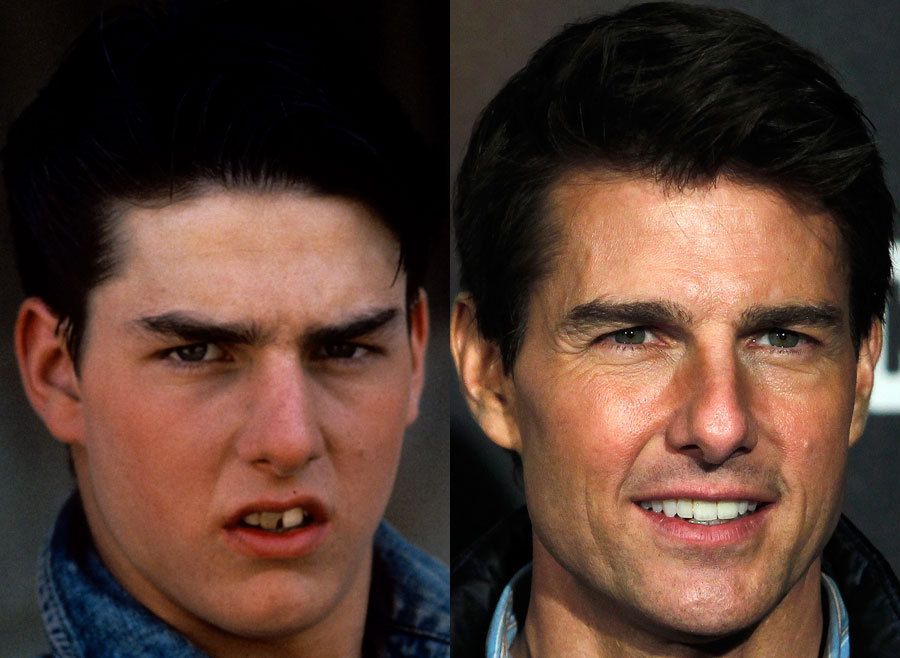
Tom Cruise’s transformation over the decades is a perfect example of how aesthetic enhancements can complement natural aging without overshadowing personal identity. Once known for his boyish charm, Cruise has transitioned into a mature leading man with remarkable grace. Experts suggest subtle yet effective procedures such as a lower face-lift, blepharoplasty (eyelid tightening), and possible skin resurfacing to reduce the signs of aging. These changes, paired with dental restoration and jawline sculpting, help maintain a defined facial structure and youthful vitality. His appearance continues to reflect vitality, masculinity, and on-screen charisma — making him not just an actor but a global icon of age-defying elegance.

Cristiano Ronaldo

Cristiano Ronaldo

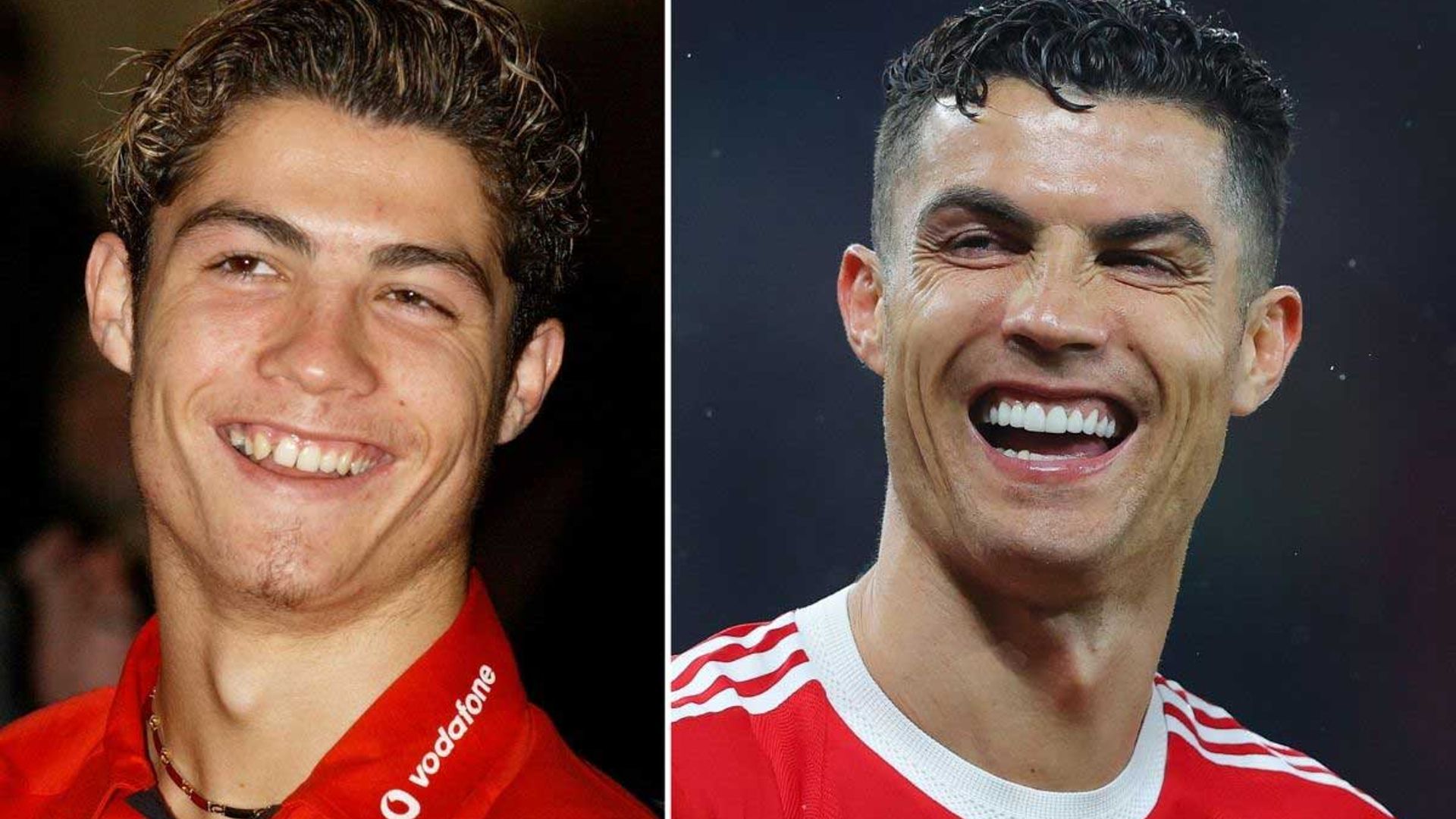
Cristiano Ronaldo’s visual evolution is as impressive as his athletic journey. Earlier in his career, Ronaldo’s facial features were more unrefined — featuring irregular teeth, a prominent nose bridge, and teenage skin imperfections. Over time, his smile has been perfected through orthodontic alignments and porcelain veneers, dramatically enhancing facial harmony. In addition, his skin texture appears refined, likely with the help of laser treatments, microneedling, or PRP therapy. Some aesthetic experts also point to a possible rhinoplasty, improving nasal shape and symmetry. These enhancements have elevated Ronaldo’s public image from sports star to fashion and lifestyle icon, highlighting the powerful intersection of aesthetics and branding.

Tarkan

Tarkan

Tarkan, the prince of Turkish pop, has maintained his visual appeal for over two decades through careful and tasteful aesthetic decisions. His earlier features — including a slightly angular nose and fuller facial volume — have given way to a more refined look. Likely through rhinoplasty, mid-face rejuvenation, and jawline contouring, he has gained a sculpted and youthful appearance that aligns with modern beauty standards. His glowing skin suggests regular dermatological care such as fractional laser, collagen stimulation, and hydration-based treatments. Unlike more radical celebrity transformations, Tarkan’s approach is a masterclass in balance — where enhancements are subtle, identity is preserved, and star power only grows.

Miley Cyrus

Miley Cyrus

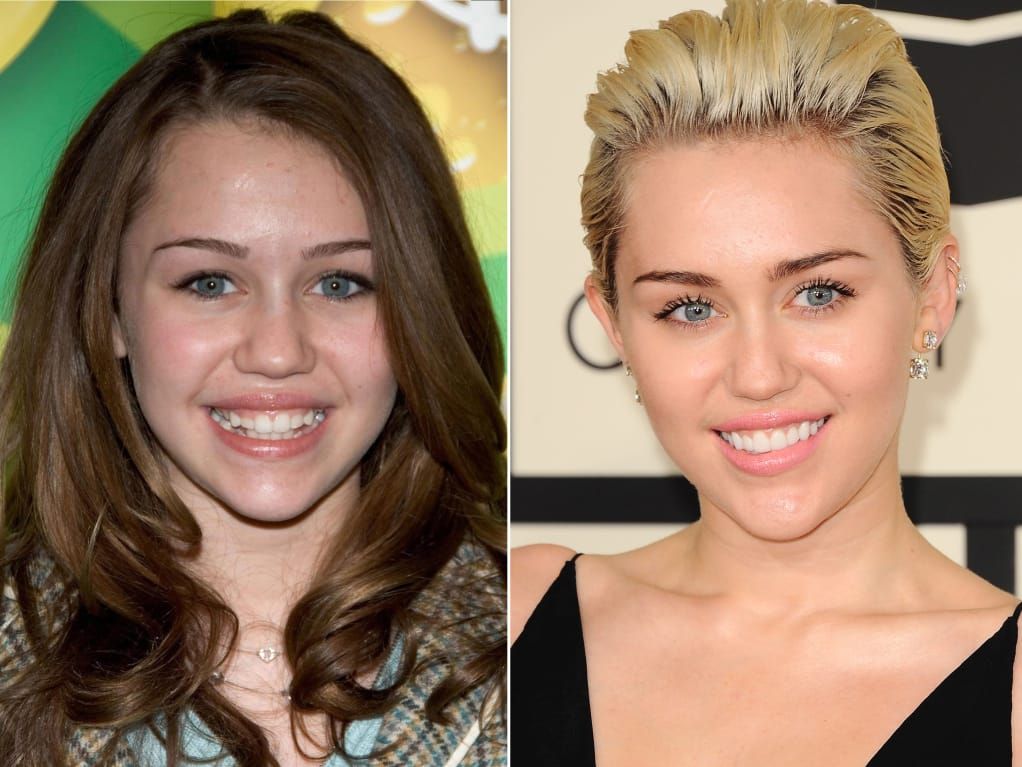
Known for her rebellious spirit and bold image reinventions, Miley Cyrus represents a modern icon of transformation. As she matured from a Disney star into a powerful musical voice, her facial features also evolved. Earlier signs of asymmetry and volume fluctuation have been replaced with a more polished and structured look. Aesthetic analysts speculate the use of subtle rhinoplasty, lip contouring, and filler-based volume enhancement in the cheeks and under-eye region. Combined with resurfacing treatments to smooth skin texture and boost radiance, Miley’s face now expresses both confidence and charisma. She proves that aesthetics can be used not to conform, but to strengthen individuality and visual presence.

Ebru Gündeş

Ebru Gündeş

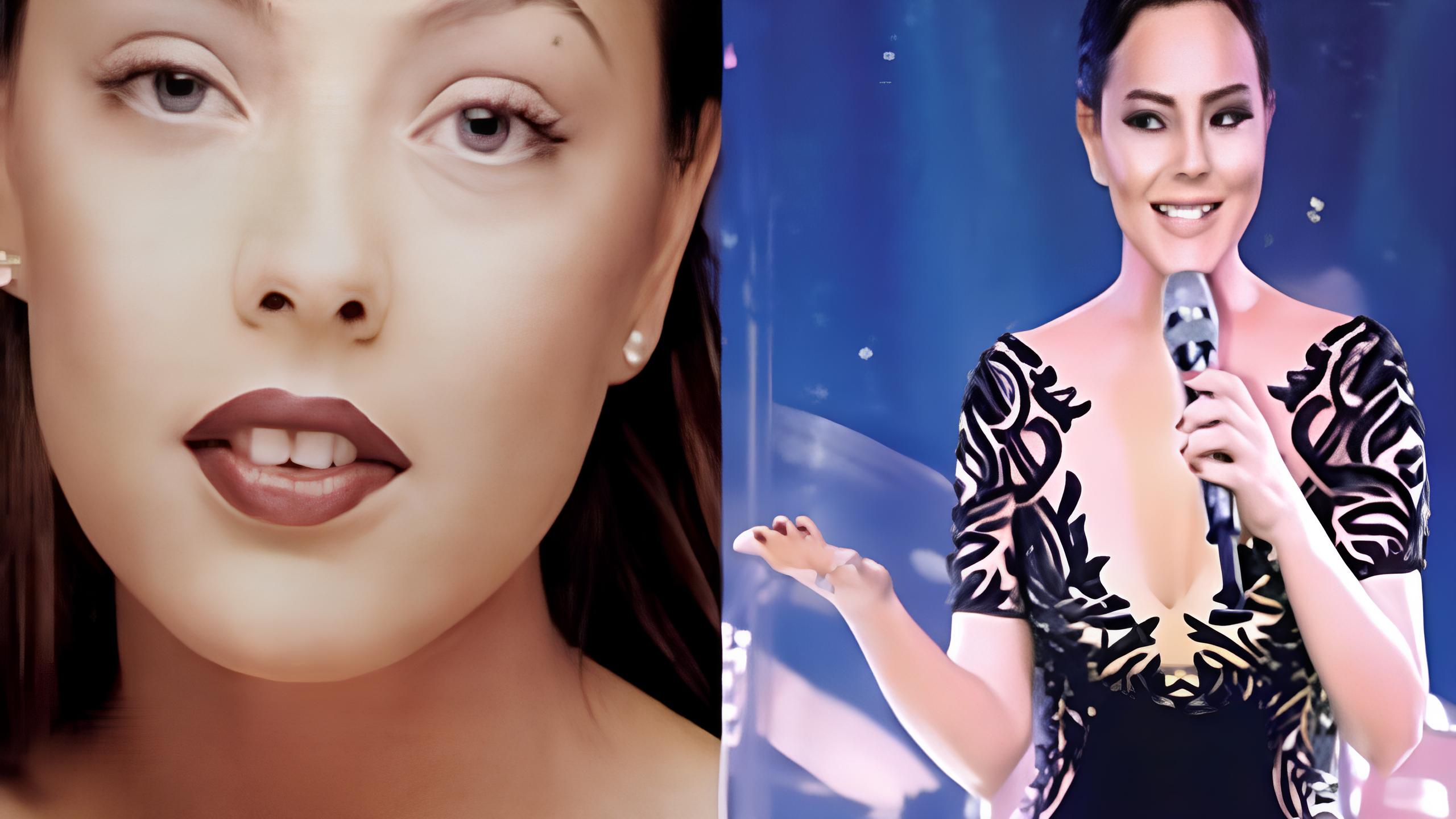
Ebru Gündeş is a long-standing symbol of elegance and strength in Turkish music. Over the years, her appearance has gradually shifted from youthful softness to refined sophistication — a transition many women seek to emulate. Her balanced and proportionate facial structure suggests the use of well-planned aesthetic procedures such as cheekbone fillers, botulinum toxin for fine lines, and possibly a mini facelift to restore definition to the lower face. Her luminous skin tone and smooth forehead reflect dedicated skin care and likely include mesotherapy, collagen treatments, or energy-based devices like HIFU. Rather than chasing drastic change, Gündeş embraces controlled evolution — allowing her beauty to age with confidence and dignity.

Book Your Personalized Consultation

Interested in how modern aesthetics can refresh your look without losing your natural charm? Our experts at Green Village Medical are here to guide you.

Book Your Consultation

Nasolabial Fillers

Nasolabial Fillers: Reviving Facial Youth

Welcome to Green Village Medical’s comprehensive guide to nasolabial fillers, a popular cosmetic procedure aimed at enhancing facial harmony and restoring youthful contours. Nasolabial fillers have gained prominence as a non-invasive solution for addressing smile lines and deepening folds around the mouth. In this informative overview, we delve into the intricate world of nasolabial fillers, exploring their applications, benefits, considerations, and the science behind their efficacy.

Understanding Nasolabial Fillers

  • Defining Nasolabial Fillers
    • Nasolabial fillers, also referred to as laugh line fillers or smile line fillers, are injectable dermal fillers meticulously crafted to soften and diminish the appearance of nasolabial folds.
    • Nasolabial folds are the lines extending from the sides of the nose to the corners of the mouth, becoming more pronounced over time due to the natural aging process and loss of facial volume.
    • By strategically injecting hyaluronic acid-based fillers into these creases, nasolabial fillers replenish volume, smooth wrinkles, and rejuvenate facial aesthetics.
  • The Science Behind Nasolabial Fillers
    • Hyaluronic acid, a naturally occurring substance in the skin, serves as the primary constituent of nasolabial fillers.
    • When introduced into the nasolabial folds, hyaluronic acid attracts and retains moisture, plumping the skin and diminishing the depth of wrinkles.
    • The gel-like consistency of hyaluronic acid fillers ensures immediate volumizing effects, with results typically lasting several months to a year, depending on the specific formulation and individual metabolic factors.

Applications of Nasolabial Fillers

  • Restoring Youthful Expression: Softening Smile Lines
    • Nasolabial fillers offer a targeted approach to softening and smoothing smile lines, thereby rejuvenating the midface.
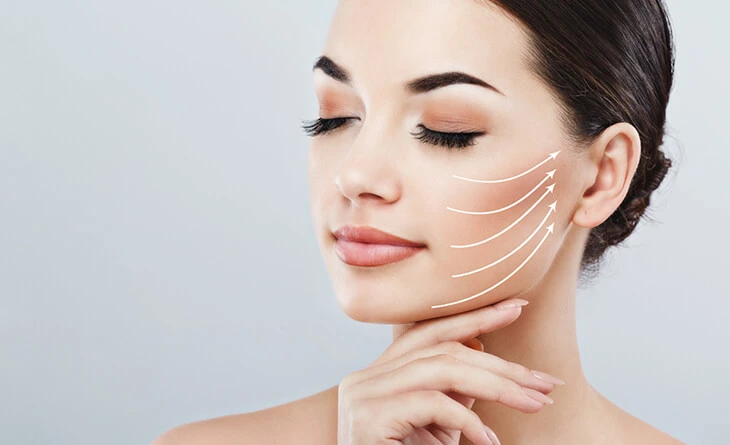
    • By replenishing lost volume and filling in deep creases, nasolabial fillers create a more youthful and refreshed contour along the nasolabial area.
    • Green Village Medical specializes in tailoring nasolabial filler treatments to each patient’s unique facial anatomy and aesthetic goals, ensuring harmonious and natural-looking results with minimal downtime.
  • Volume Enhancement: Combatting Age-Related Changes
    • With age, the loss of facial volume and elasticity contributes to the formation of deep wrinkles and hollow areas, particularly around the nasolabial folds.
    • Nasolabial fillers provide an effective solution for restoring lost volume and enhancing facial contours, resulting in a revitalized and more youthful appearance.
    • Through precise injections targeted at key areas of volume depletion, such as the cheeks, temples, and jawline, Green Village Medical achieves results that defy the effects of aging and restore facial balance.

Mid-Face Fillers

Mid-Face Fillers: A Complete Guide to Facial Rejuvenation

Welcome to Green Village Medical’s comprehensive guide to mid-face fillers, a transformative cosmetic procedure designed to restore volume, enhance contours, and rejuvenate the overall appearance of the face. Mid-face fillers have emerged as a popular solution for addressing age-related volume loss, hollowing, and sagging in the mid-facial region. In this detailed overview, we explore the intricacies of mid-face fillers, including their applications, benefits, considerations, and the science behind their effectiveness.

Understanding Mid-Face Fillers

  • Defining Mid-Face Fillers
    • Mid-face fillers, also known as cheek fillers or cheek augmentation, involve the strategic injection of dermal fillers to enhance volume and lift in the mid-facial area.
    • This technique targets the cheeks, under-eye area, and temples, addressing hollowing, sagging, and loss of definition that occurs with age.
    • Mid-face fillers can restore youthful contours, improve facial symmetry, and create a more balanced and harmonious appearance.
  • The Science Behind Mid-Face Fillers
    • Mid-face fillers typically utilize hyaluronic acid-based dermal fillers, which mimic the body’s natural hyaluronic acid to restore volume and hydration to the skin.
    • Hyaluronic acid attracts and retains moisture, plumping the skin and providing structural support to the underlying tissues.
    • The gel-like consistency of hyaluronic acid fillers allows for precise placement and sculpting, ensuring natural-looking results that seamlessly integrate with the surrounding tissues.

Conclusion

In conclusion, mid-face fillers offer a safe and effective solution for restoring volume, enhancing contours, and rejuvenating the overall appearance of the face. At Green Village Medical, we are dedicated to helping you achieve your aesthetic goals with precision and care. If you are considering mid-face filler treatment to revitalize your appearance and regain confidence, we invite you to schedule a consultation with us. Let us embark on a journey toward renewed facial youth and radiance with mid-face fillers at Green Village Medical.

Mesotherapy

Mesotherapy: A Comprehensive Overview

Welcome to Green Village Medical’s guide to mesotherapy, a versatile and innovative approach to skincare and wellness. Mesotherapy has emerged as a popular treatment option, offering targeted solutions for various aesthetic concerns. In this comprehensive overview, we delve into the intricacies of mesotherapy, exploring its applications, techniques, and benefits.

Understanding Mesotherapy

What is Mesotherapy?
    • Mesotherapy is a minimally invasive cosmetic procedure that involves the injection of a customized cocktail of vitamins, minerals, enzymes, and other active ingredients into the mesodermal layer of the skin.
    • This technique aims to rejuvenate, tighten, and revitalize the skin by delivering nourishing compounds directly to the targeted areas.
    • Mesotherapy can be tailored to address specific concerns, including cellulite reduction, hair restoration, facial rejuvenation, and body contouring.
      The Science Behind Mesotherapy
      • Mesotherapy operates on the principle of microinjections, which penetrate the skin’s surface to deliver therapeutic agents into the underlying tissues.
      • By bypassing the digestive system and bloodstream, mesotherapy achieves higher concentrations of active ingredients at the treatment site, maximizing efficacy.
      • The combination of ingredients in mesotherapy solutions is carefully selected to synergistically promote collagen production, improve circulation, and enhance cellular regeneration.
Applications of Mesotherapy
  • Facial Rejuvenation: Unlocking Radiant Skin
    • Mesotherapy offers a non-surgical approach to facial rejuvenation, addressing concerns such as fine lines, wrinkles, and sagging skin.
    • By stimulating collagen and elastin production, mesotherapy promotes skin firmness and elasticity, resulting in a smoother, more youthful complexion.
    • Customized mesotherapy cocktails can target specific areas of concern, including the under-eye area, cheeks, and jawline, for comprehensive facial enhancement.
  • Cellulite Reduction: Smoothing Dimples and Bumps
    • Mesotherapy presents an effective solution for reducing the appearance of cellulite, a common cosmetic concern affecting many individuals.
    • Through the targeted delivery of lipolytic agents, mesotherapy breaks down fat cells and stimulates lymphatic drainage, resulting in smoother, firmer skin.
    • Multiple mesotherapy sessions may be recommended to achieve optimal cellulite reduction and contouring results, with improvements becoming progressively more apparent over time.

Gastric Botox

Gastric Botox: A Promising Treatment for Gastrointestinal Disorders

Welcome to Green Village Medical’s comprehensive guide to gastric Botox, an innovative medical procedure offering hope for individuals suffering from certain gastrointestinal disorders. Gastric Botox, also known as botulinum toxin injection therapy for the stomach, has emerged as a promising treatment option for conditions such as gastroparesis and chronic gastritis. In this informative overview, we delve into the intricacies of gastric Botox, exploring its applications, benefits, considerations, and the science behind its therapeutic effects.

Understanding Gastric Botox

  • What is Gastric Botox?
    • Gastric Botox refers to the injection of botulinum toxin into specific areas of the stomach lining to alleviate symptoms associated with certain gastrointestinal conditions.
    • Botulinum toxin, commonly known as Botox, is a neurotoxic protein produced by the bacterium Clostridium botulinum. When injected in small doses, it temporarily paralyzes muscles, thereby reducing muscle contractions and promoting relaxation.
    • In the context of gastric Botox therapy, the targeted relaxation of stomach muscles can improve gastric motility and alleviate symptoms such as nausea, vomiting, and bloating.
  • The Science Behind Gastric Botox
    • Gastroparesis, a condition characterized by delayed gastric emptying, is often associated with abnormal or dysregulated muscle contractions in the stomach.
    • By injecting botulinum toxin into the pyloric sphincter or other targeted areas of the stomach, gastric Botox therapy aims to reduce muscle spasm and enhance gastric emptying.
    • The temporary paralysis induced by Botox inhibits excessive muscle contractions, allowing for smoother and more coordinated movement of food through the digestive tract.

Endoscopic Facelift

Endoscopic Facelift: A Modern Approach to Facial Rejuvenation

Welcome to Green Village Medical’s definitive guide to the endoscopic facelift, a state-of-the-art procedure reshaping the landscape of facial rejuvenation. The endoscopic facelift offers a sophisticated alternative to conventional facelift surgeries, delivering natural-looking results with minimal scarring and downtime. In this comprehensive overview, we’ll delve into the intricacies of the endoscopic facelift, exploring its technique, advantages, considerations, and the scientific underpinnings behind its efficacy.

Understanding the Endoscopic Facelift

  • Defining the Endoscopic Facelift
    • The endoscopic facelift, also referred to as the minimally invasive facelift, is a surgical procedure that utilizes an endoscope—a slender, illuminated tube with a camera—to visualize and manipulate facial tissues through tiny incisions.
    • Unlike traditional facelifts that involve extensive dissection and larger incisions, the endoscopic approach offers a more precise and less invasive method of lifting and repositioning facial structures.
    • By employing advanced technology, plastic surgeons can achieve remarkable rejuvenation with minimal scarring, reduced trauma, and enhanced patient satisfaction.
  • The Science Behind the Endoscopic Facelift
    • The endoscopic facelift targets the superficial musculoaponeurotic system (SMAS), a layer of facial muscles and connective tissue that loses elasticity and sags with age.
    • Through small incisions strategically placed behind the hairline, an endoscope provides visualization of the underlying facial anatomy.
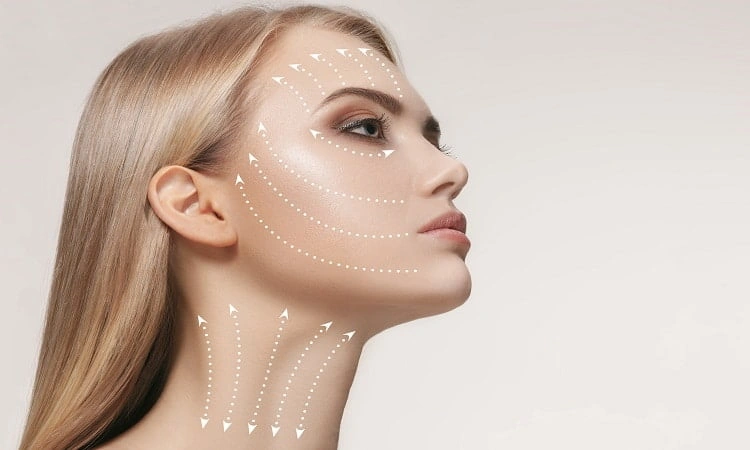
    • Using specialized instruments, the plastic surgeon lifts and repositions the SMAS, restoring youthful contours and addressing signs of aging such as jowls and sagging skin.
    • By addressing structural changes beneath the skin’s surface, the endoscopic facelift achieves natural-looking results with less tension on the skin, minimizing the risk of a “pulled” or artificial appearance.

Gastric Bypass

Understanding Gastric Bypass Surgery: A Comprehensive Guide

Gastric bypass surgery, a procedure of gastric bypass surgery often recommended for severe obesity, involves restructuring the digestive system to promote weight loss and manage related health issues. This surgical intervention is considered when other weight loss methods have not been effective or feasible.

Procedure of Gastric Bypass Surgery

The procedure of gastric bypass surgery begins with the surgeon creating a small pouch from the top of the stomach, which limits food intake. This pouch is then connected directly to the small intestine, bypassing a large portion of the stomach and the first section of the small intestine (duodenum).

By altering the digestive tract, gastric bypass modifies the body’s absorption of nutrients and reduces the amount of food the stomach can hold, aiding in substantial weight loss.

Advantages and Disadvantages of Gastric Bypass

Advantages of gastric bypass include significant and rapid weight loss, improvement or resolution of obesity-related health conditions such as diabetes and hypertension, and long-term success in maintaining weight loss for many patients.

However, there are disadvantages to gastric bypass as well. These can include risks associated with any major surgery, the need for lifelong dietary adjustments, potential nutrient deficiencies, and the possibility of complications like dumping syndrome.

Dietary and Lifestyle Changes After Gastric Bypass

Following gastric bypass surgery, dietary and lifestyle changes are crucial for successful outcomes. Patients typically progress from a liquid diet to soft foods and eventually to solid foods in smaller portions. It’s essential to focus on high-protein, low-fat foods to support healing and weight loss.

Lifestyle changes include regular physical activity and adherence to nutritional guidelines provided by healthcare professionals to maintain weight loss and prevent complications.

Platelet-Rich Plasma (PRP)

Platelet-Rich Plasma (PRP): Harnessing Your Body’s Healing Power

Platelet-Rich Plasma (PRP) therapy has garnered significant attention in recent years for its multifaceted applications in both aesthetic medicine and regenerative therapies. This innovative treatment leverages the regenerative potential of platelets to address a spectrum of conditions, ranging from skin rejuvenation and hair loss to wound healing and anti-aging treatments.

Understanding Platelet-Rich Plasma (PRP)

Platelet-Rich Plasma (PRP) is derived from the patient’s own blood through a process of centrifugation, which separates and concentrates platelets. These platelets contain high levels of growth factors and cytokines that play pivotal roles in tissue repair and regeneration. Once prepared, PRP is administered through targeted injections or topically applied to specific areas, facilitating a cascade of biological responses that promote healing and revitalization.

Applications of PRP in Aesthetic Treatments

Skin Rejuvenation

PRP therapy has emerged as a preferred option for individuals seeking natural methods to rejuvenate their skin. By stimulating collagen production and enhancing blood flow to the skin, PRP improves skin tone, texture, and elasticity. It effectively diminishes fine lines, wrinkles, and hyperpigmentation, resulting in a more youthful and radiant complexion.

Hair Loss Treatment

PRP’s efficacy in treating hair loss has made it a game-changer in non-surgical hair restoration techniques. When injected into the scalp, PRP promotes hair follicle growth by prolonging the anagen (growth) phase of hair follicles and increasing hair thickness and density. This approach is particularly beneficial for individuals experiencing early stages of hair thinning or as a complement to hair transplant procedures.

Medical Uses of PRP

Wound Healing

In medical settings, PRP accelerates wound healing processes by delivering concentrated growth factors directly to the site of injury. These growth factors stimulate cell proliferation, collagen production, and angiogenesis, which are essential for tissue repair. PRP has demonstrated efficacy in treating chronic wounds, surgical incisions, and ulcers, reducing healing time and minimizing scar formation.