
Green Village Medical

Common Aesthetic Mistakes and How to Avoid Them

Common Mistakes in Cosmetic Procedures & How to Avoid Them

Cosmetic treatments are more popular than ever, thanks to modern technology, skilled surgeons, and the desire for enhanced self-confidence. However, achieving the best results requires more than just booking a procedure—it also involves preparation, education, and careful decision-making.

Here are some of the most common mistakes people make when undergoing aesthetic procedures and how to avoid them:

1. Setting Unrealistic Expectations

One of the biggest mistakes is expecting immediate perfection or complete transformation. Cosmetic procedures are designed to enhance your natural beauty, not create an entirely new face or body. Patients who go into surgery thinking they will look like a celebrity often end up disappointed.

💡 Tip: Always ask your doctor to show you realistic before & after photos of previous patients. Have an open discussion about what can and cannot be achieved with your specific anatomy.

2. Choosing the Wrong Provider Based on Price

Choosing a clinic solely based on low prices is risky. Unlicensed clinics or inexperienced practitioners may offer attractive deals but compromise on hygiene, safety, and technique.

💡 Tip: Make sure your clinic is licensed, the surgeon is board-certified, and the facility meets international health standards. When it comes to your body, safety should always come before savings.

3. Following Trends Instead of Personal Needs

Social media trends like “fox eyes,” “Russian lips,” or ultra-high BBLs may not suit everyone. What looks good on someone else might not be right for your face or body proportions.

💡 Tip: Focus on what works best for your unique features. A personalized approach always delivers more natural and satisfying results than following temporary trends.

4. Neglecting Pre- and Post-Procedure Instructions

Many patients skip vital steps like quitting smoking before surgery or taking prescribed antibiotics after it. Others return to work too early or ignore rest periods, affecting their recovery and results.

💡 Tip: Strictly follow all instructions given by your surgeon. Ask questions if anything is unclear. Remember: Recovery is just as important as the procedure itself.

5. Overdoing or Repeating Procedures Too Soon

Repeating fillers or Botox too frequently, or combining too many treatments at once, can lead to unnatural results. Patience is key—your body needs time to heal and adapt.

💡 Tip: Schedule touch-ups only when truly necessary and based on professional advice. Give your body time to show results before seeking more interventions.

6. Relying Solely on Online Images or Influencers

Heavily edited photos and influencer promotions can be misleading. What looks perfect online might not reflect real, long-term outcomes.

💡 Tip: Use online content for inspiration—not as your only research source. Look for verified reviews, clinic accreditations, and direct consultations before making any decision.

7. Ignoring Overall Health and Lifestyle

Aesthetic results are influenced by your lifestyle. Poor diet, smoking, lack of sleep, and dehydration can slow recovery and worsen results.

💡 Tip: Maintain a healthy lifestyle before and after your procedure. Good skin care, proper nutrition, and regular hydration significantly improve healing and outcomes.

Conclusion: Be Informed, Be Realistic, Be Safe

Undergoing an aesthetic procedure is a personal journey. Whether you’re planning a rhinoplasty, hair transplant, or smile makeover, your choices matter. By avoiding these common mistakes, you set yourself up for a smoother recovery, more natural results, and long-term satisfaction.

🌍 Thinking of having your procedure abroad? Always choose internationally accredited clinics with multilingual support and transparent communication—because trust and expertise matter most.
My Smile Makeover Journey at Green Village Medical

My Smile Makeover Journey at Green Village Medical

My name is Asli, I’m 34 years old, and for the first time in years, I’m smiling with confidence. For a long time, I avoided mirrors, photos, and even laughing freely due to the color and shape of my teeth. Everything changed the day I walked into Green Village Medical.

Initial Consultation

I booked an appointment after a friend’s recommendation. During my first consultation, the dental specialist created a personalized treatment plan. It included:

  • Professional teeth cleaning
  • Advanced whitening treatment
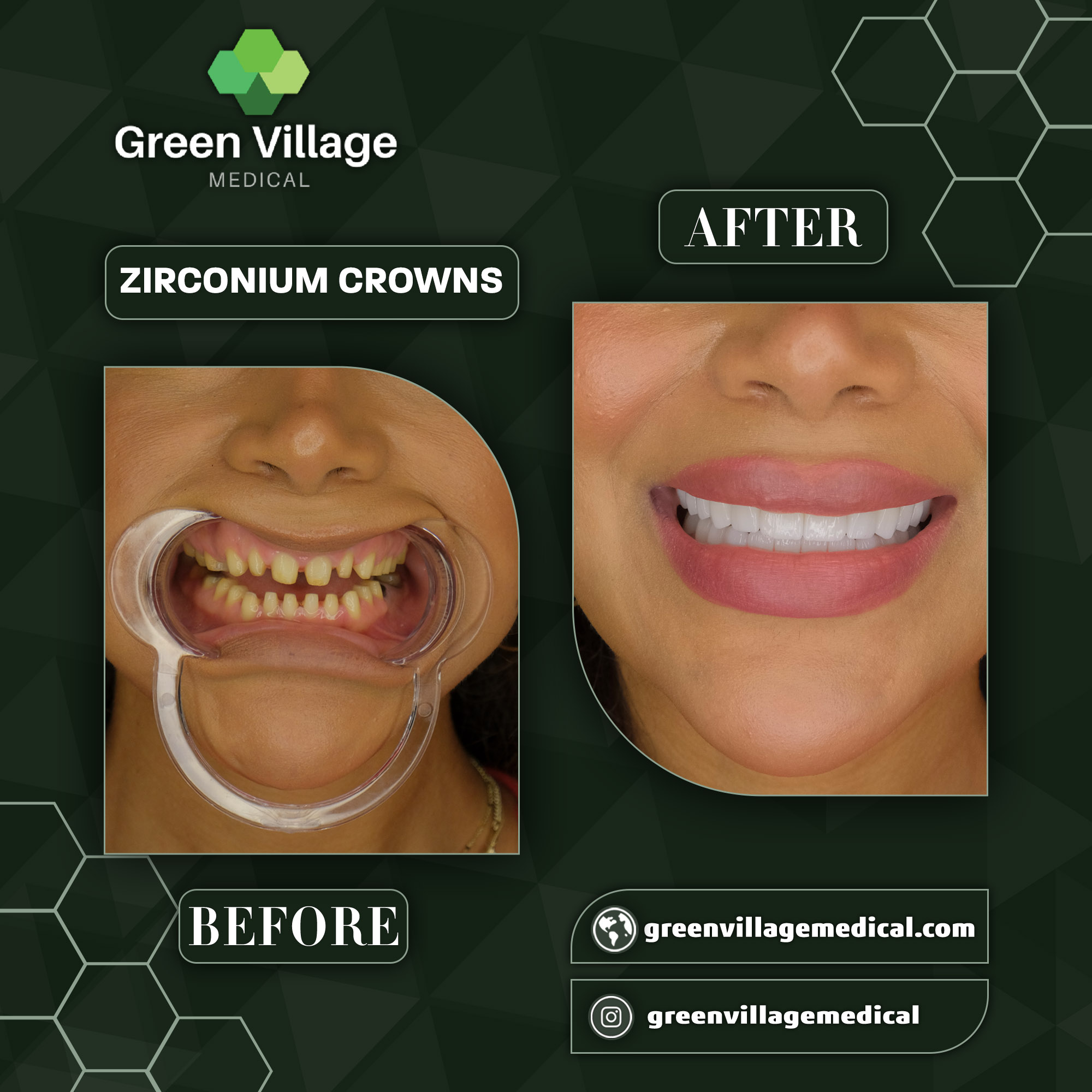
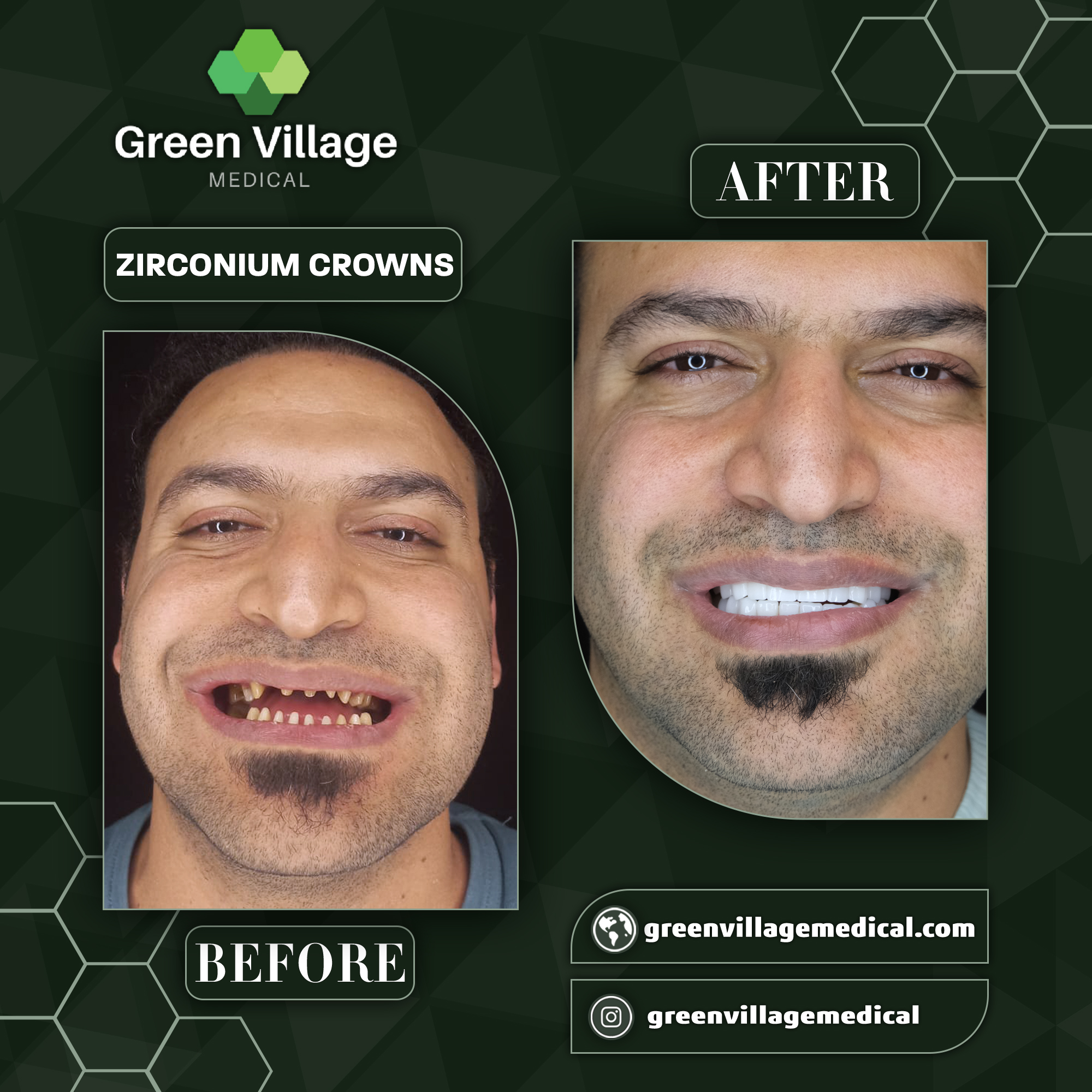
  • Zirconium crowns for the front six teeth

The Procedure

Each step was painless and smooth. The clinic was modern, hygienic, and the team made me feel truly cared for. Even after the first whitening session, I saw a noticeable change. But the final look after placing the zirconium crowns was beyond what I imagined.

Before & After

Before:

  • Yellowish, uneven teeth
  • Hiding my smile in photos
  • Low self-confidence in social settings

After:

  • Bright, symmetrical zirconium crowns
  • Smiling without hesitation
  • Increased self-esteem and joy

Zirconium Crowns

Zirconium Crowns Before After

Zirconium Crowns (Case 2)

Zirconium Crowns Before After 2

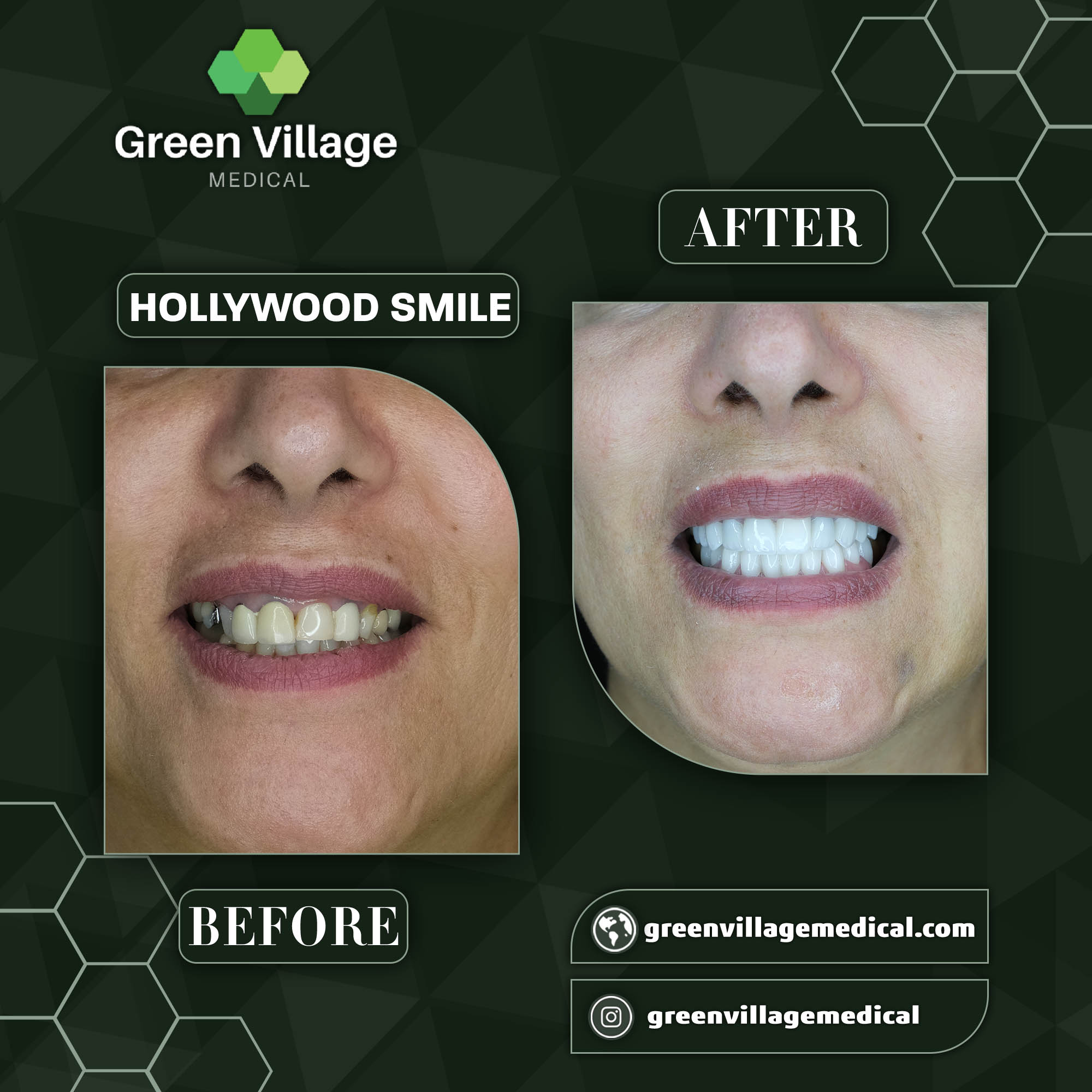
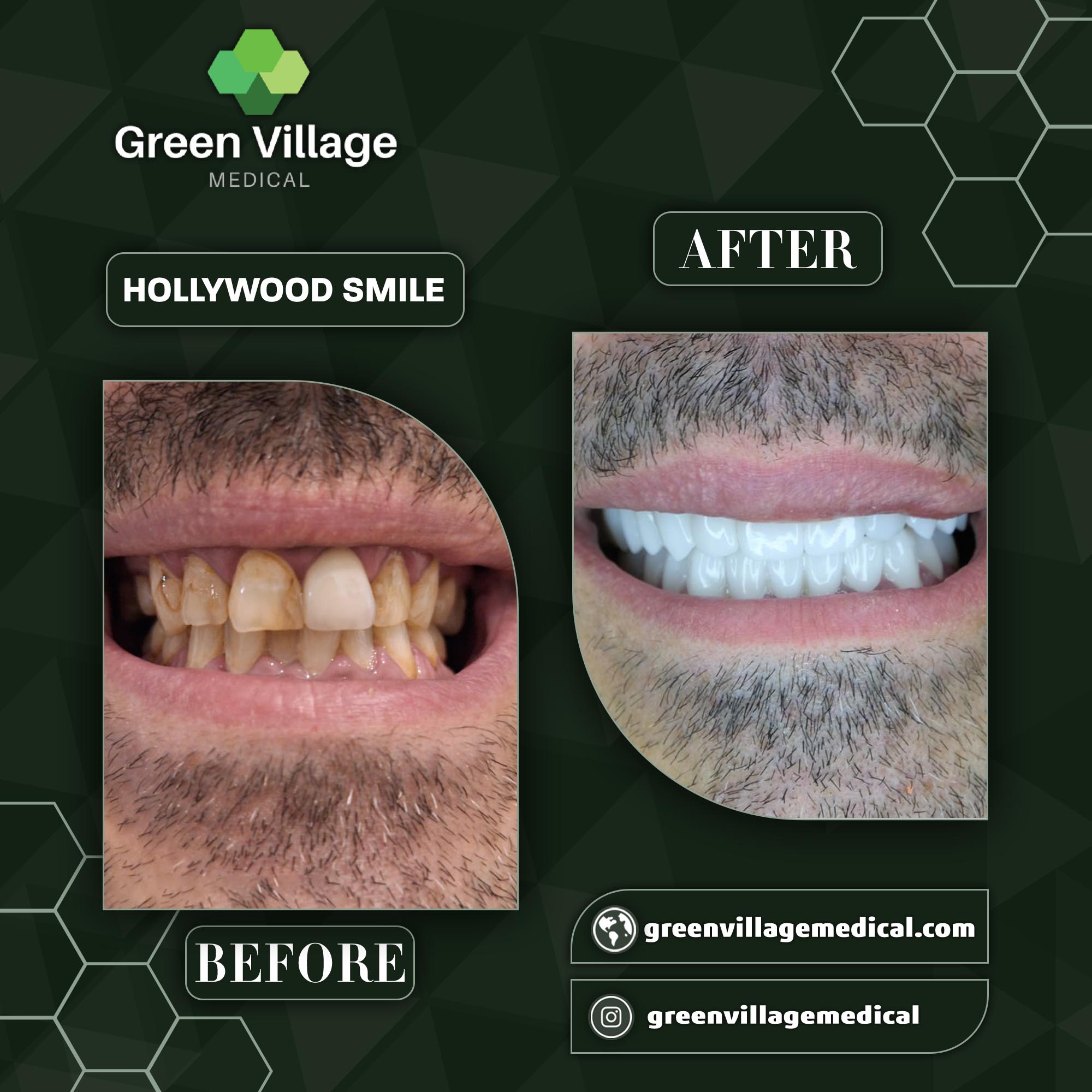
Hollywood Smile

Hollywood Smile Before After

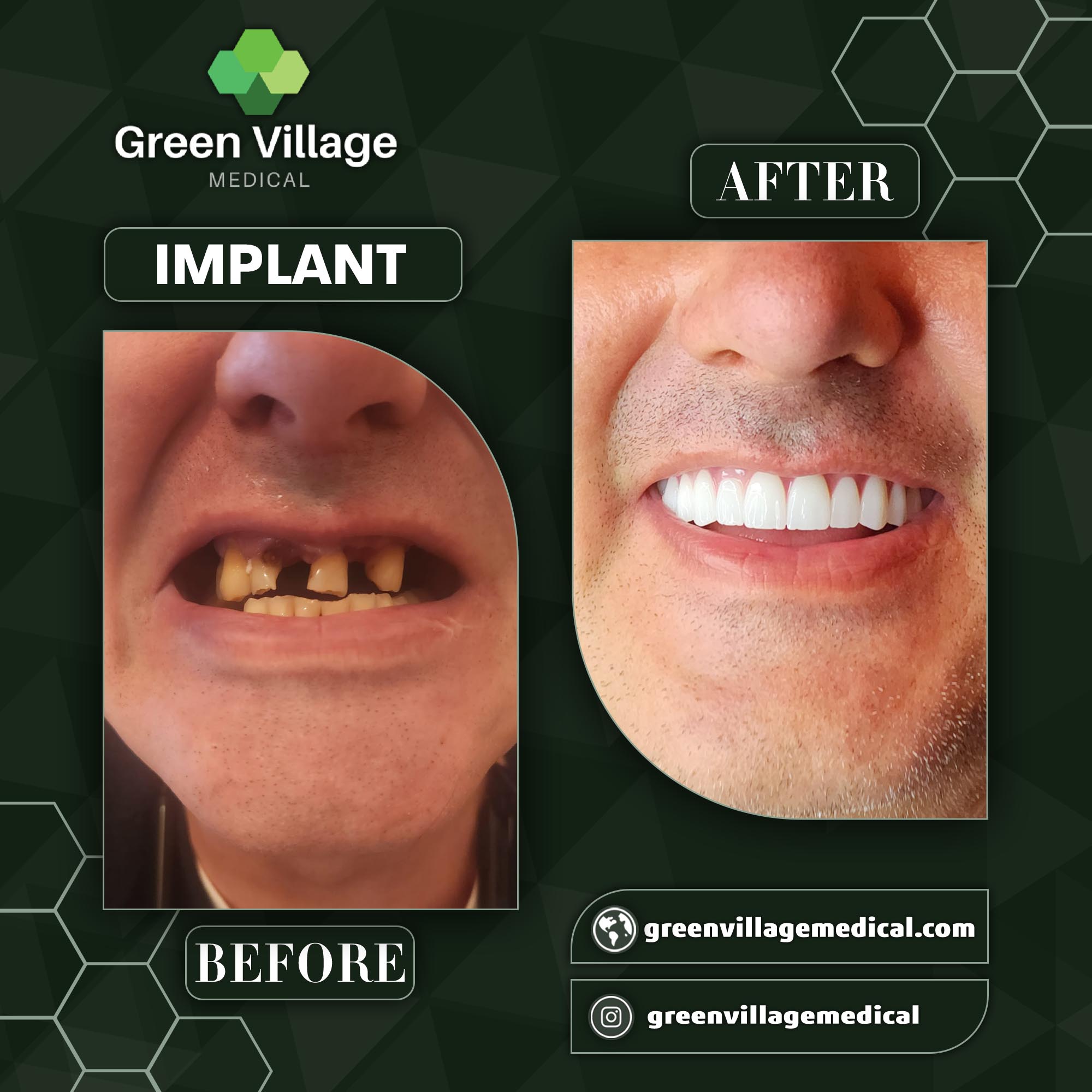
Dental Implant - Case 1

Implant Before After 1

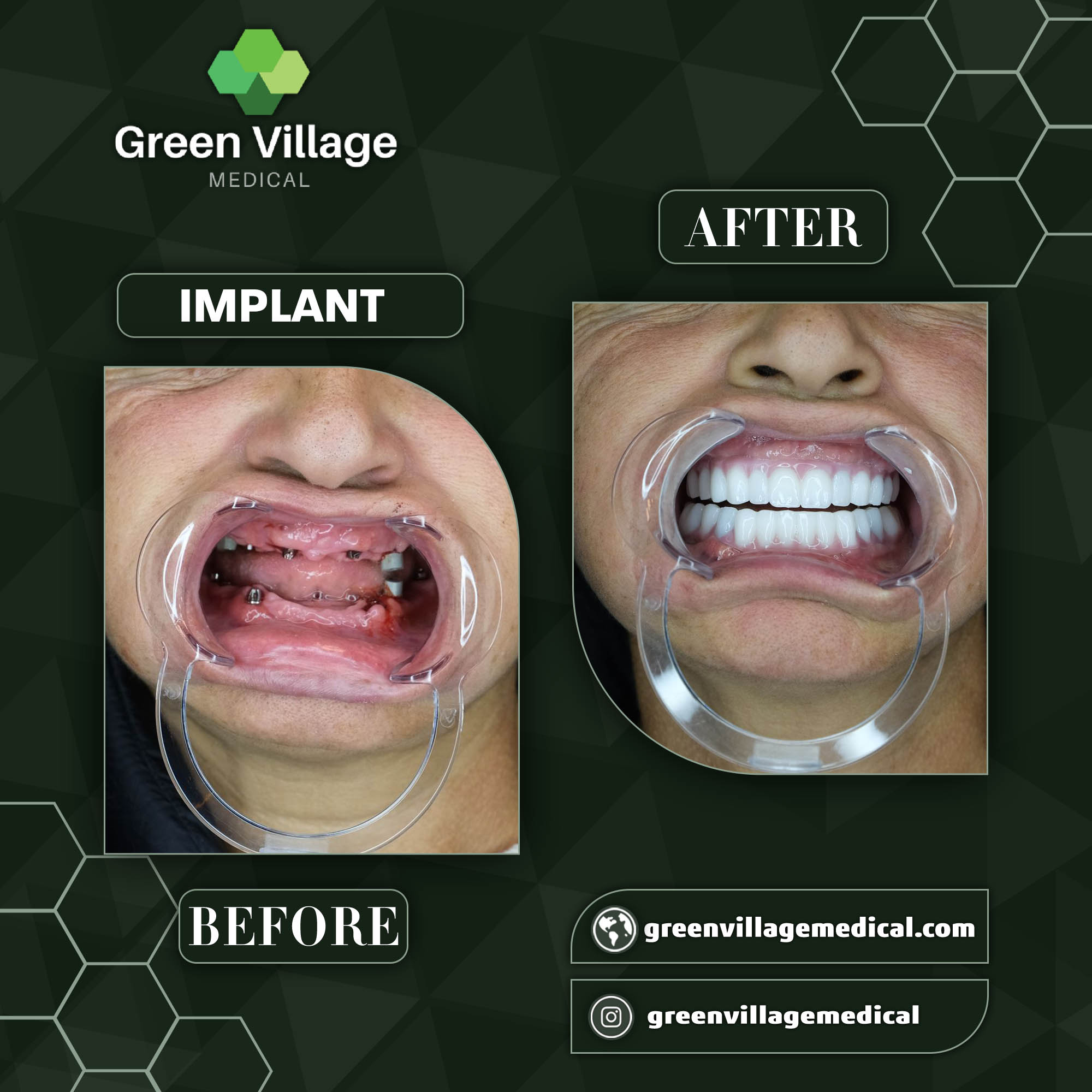
Dental Implant - Case 2

Implant Before After 2

Digital Smile Design

Digital Smile Design Before After

Final Thoughts

I never imagined that a dental treatment could have such a deep impact on my life. But it did. I now smile confidently in every photo, laugh freely, and feel better than ever. If you’re considering a dental transformation, I wholeheartedly recommend Green Village Medical.

Oral and Dental Care

Oral and Dental Care: A Comprehensive Guide by Green Village Medical

Importance of Oral and Dental Care

Maintaining good oral and dental care is crucial for overall health and well-being. Healthy teeth and gums not only contribute to a beautiful smile but also prevent various dental problems such as tooth decay, gum disease, and bad breath. Additionally, poor oral health can be linked to serious health issues such as heart disease, diabetes, and respiratory infections.

Daily Oral Hygiene Routine

  1. Brushing:
    • Frequency: Brush at least twice a day, preferably in the morning and before bedtime.
    • Technique: Use a soft-bristle toothbrush and fluoride toothpaste. Brush for at least two minutes, ensuring you cover all surfaces of your teeth – the front, back, and chewing surfaces. Hold the toothbrush at a 45-degree angle to your gums and use gentle, circular motions.
  2. Flossing:
    • Frequency: Floss at least once a day to remove plaque and food particles between teeth and under the gumline.
    • Technique: Use about 18 inches of floss, winding most of it around each middle finger, leaving about 1-2 inches to work with. Gently slide the floss between your teeth, curve it into a C shape against the side of each tooth, and move it up and down.
  3. Mouthwash:
    • Frequency: Use an antimicrobial or fluoride mouthwash once or twice a day.
    • Benefits: Mouthwash can help reduce plaque, fight gum disease, and freshen breath. It also provides an additional layer of protection against cavities.
  • Regular Dental Check-Ups:
    • Frequency: Visit your dentist every six months for a check-up and cleaning.
    • Benefits: Regular visits allow for early detection and treatment of dental issues, professional cleaning to remove tartar, and personalized advice on maintaining oral health.
  • Dental Cleanings:
    • Procedure: Professional cleanings remove plaque and tartar that regular brushing and flossing can’t reach. Your dentist or dental hygienist will use special tools to clean your teeth above and below the gumline.
  •  
  • Sealants:
    • Application: Dental sealants are thin, protective coatings applied to the chewing surfaces of back teeth (molars) to prevent cavities.
    • Benefits: Sealants protect against decay by sealing out food particles and bacteria.
  • Fluoride Treatments:
    • Application: Professional fluoride treatments involve applying a high concentration of fluoride to the teeth, typically in the form of a gel, foam, or varnish.
    • Benefits: Fluoride strengthens tooth enamel and helps prevent cavities.
  • Healthy Diet:
    • Recommendations: Consume a balanced diet rich in fruits, vegetables, lean proteins, and whole grains. Limit sugary snacks and drinks, as sugar feeds harmful bacteria that cause cavities.
    • Hydration: Drink plenty of water, especially after meals, to help wash away food particles and neutralize acids produced by bacteria in the mouth.
  • Avoid Tobacco Products:
    • Impact: Smoking and using other tobacco products can lead to gum disease, tooth loss, and oral cancer.
    • Recommendation: Seek support to quit tobacco use to improve oral and overall health.
  • Limit Alcohol Consumption:
    • Impact: Excessive alcohol consumption can increase the risk of oral cancer and negatively affect oral hygiene.
    • Recommendation: Drink alcohol in moderation and maintain good oral hygiene.
  •  
  • Children’s Oral Care:
    • Start Early: Begin cleaning your child’s mouth even before teeth appear by wiping the gums with a soft, damp cloth. Once teeth emerge, use a small, soft-bristle toothbrush and a rice-sized amount of fluoride toothpaste.
    • Supervision: Supervise children’s brushing until they are around 7-8 years old to ensure they use the right amount of toothpaste and brush effectively.
  • Senior Oral Care:
    • Challenges: Seniors may face unique oral health challenges such as dry mouth, root decay, and tooth loss.
    • Solutions: Maintain regular dental visits, use fluoride toothpaste and mouthwash, stay hydrated, and consider using an electric toothbrush for easier cleaning.
  •  
  • Tooth Decay (Cavities):
    • Prevention: Maintain good oral hygiene, limit sugary foods and drinks, use fluoride products, and get regular dental check-ups.
  • Gum Disease (Periodontal Disease):
    • Prevention: Brush and floss daily, use antimicrobial mouthwash, avoid tobacco, and visit your dentist regularly for cleanings.
  • Tooth Sensitivity:
    • Prevention: Use toothpaste designed for sensitive teeth, avoid acidic foods and drinks, and maintain good oral hygiene.
  • Bad Breath (Halitosis):
    • Prevention: Brush and floss daily, clean your tongue, stay hydrated, avoid foods that cause bad breath, and visit your dentist regularly.
  •  

Total Teeth Prosthesis

Total Teeth Prosthesis: A Comprehensive Guide

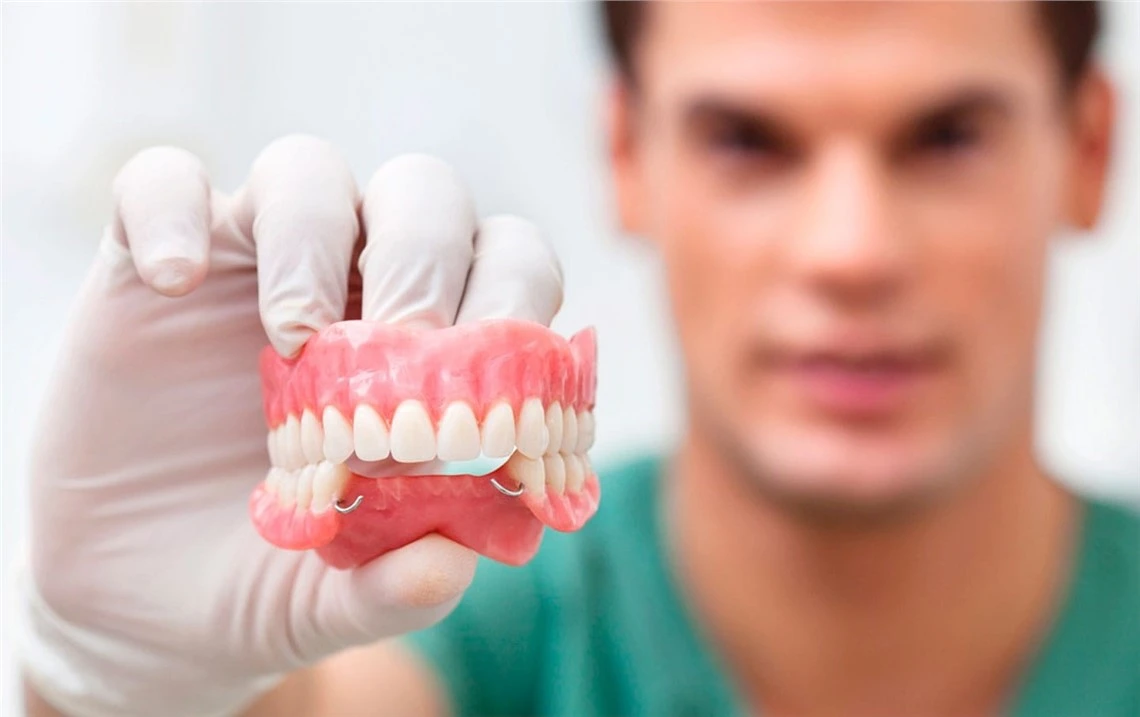
Total teeth prosthesis, commonly known as full dentures, are removable dental appliances used to replace an entire arch of missing teeth. These prostheses are designed to restore the function and appearance of natural teeth, allowing patients to chew, speak, and smile confidently.

Types of temporary Total Teeth Prosthesis

Conventional Full Dentures:
Made after the remaining teeth have been removed and the gum tissue has healed, usually taking several months.
Fully removable and custom-fitted to the patient’s mouth.
Immediate Full Dentures:
Inserted immediately after the removal of the remaining teeth.
Allow patients to have teeth during the healing process but may require adjustments as the gums and bone heal.
Implant-Supported Full Dentures:
Attached to dental implants surgically placed in the jawbone.
Offer greater stability and comfort compared to conventional dentures.

Benefits of Total Teeth Prosthesis

Restored Functionality: Enables normal chewing and speaking abilities.
Improved Appearance: Supports facial muscles, giving a natural look and preventing the sunken appearance caused by missing teeth.
Enhanced Confidence: Helps improve self-esteem by restoring a complete and attractive smile.
Removability: Easy to clean and maintain due to their removable nature.

  1. Initial Consultation:
    • A thorough examination of the mouth, including X-rays and impressions, to assess the condition of the jawbone and gum tissue.
    • Discussion of patient’s needs and preferences.
  2. Teeth Extraction (if necessary):
    • Removal of any remaining teeth to prepare the mouth for the prosthesis.
    • Healing time may vary, and temporary dentures may be provided.
  3. Impressions and Measurements:
    • Taking detailed impressions of the mouth to create custom-fitted dentures.
    • Measuring the bite and alignment to ensure proper fit and comfort.
  4. Fabrication:
    • Dentures are crafted in a dental laboratory based on the impressions and measurements.
    • Typically made from acrylic resin and other biocompatible materials.
  5. Fitting and Adjustments:
    • Initial fitting to check the comfort, fit, and appearance of the dentures.
    • Necessary adjustments are made to ensure proper alignment and comfort.
    • Instructions on care and maintenance are provided.
  • Cleaning:
    • Remove and rinse dentures after eating to remove food particles.
    • Brush dentures daily with a soft-bristle brush and denture cleanser.
    • Soak dentures overnight in a denture-cleaning solution to keep them moist and maintain their shape.
  • Oral Hygiene:
    • Brush your gums, tongue, and palate every morning before putting in the dentures to stimulate circulation and remove plaque.
  • Regular Check-Ups:
    • Visit your dentist regularly for check-ups and professional cleaning.
    • Periodic adjustments may be necessary to maintain the fit and comfort of the dentures.
  1. Sore Spots and Irritation:
    • May occur during the initial adjustment period.
    • Denture adhesives or adjustments by the dentist can alleviate discomfort.
  2. Difficulty Eating and Speaking:
    • Practice eating small bites of soft food and gradually introduce harder foods.
    • Practice speaking by reading aloud to get accustomed to the dentures.
  3. Slippage and Movement:
    • Use denture adhesives to improve stability.
    • If persistent, consult your dentist for possible adjustments or relining.

Tooth Extraction

What is Tooth Extraction

Tooth extraction is the process of removing a tooth from its socket in the jawbone. This procedure is commonly performed by dentists and oral surgeons for various reasons, including severe tooth decay, infection, crowding, and impacted teeth.

Reasons for Tooth Extractions

Severe Tooth Decay:
When tooth decay extends deep into the tooth and affects the pulp, extraction might be necessary if a root canal treatment is not feasible.
Gum Disease:
Advanced periodontal disease can cause teeth to become loose due to the destruction of the surrounding bone and gum tissue.
Impacted Teeth:
Wisdom teeth (third molars) often become impacted, meaning they do not fully emerge or grow at an angle, causing pain and potential infection.
Overcrowding:
In orthodontic treatments, teeth may be extracted to create space for proper alignment.
Infection:
An infection in the tooth that does not respond to antibiotics may require extraction to prevent it from spreading.
Trauma:
Teeth that are severely damaged due to trauma or injury may need to be removed.

Types of Tooth Extraction

Simple Extraction:

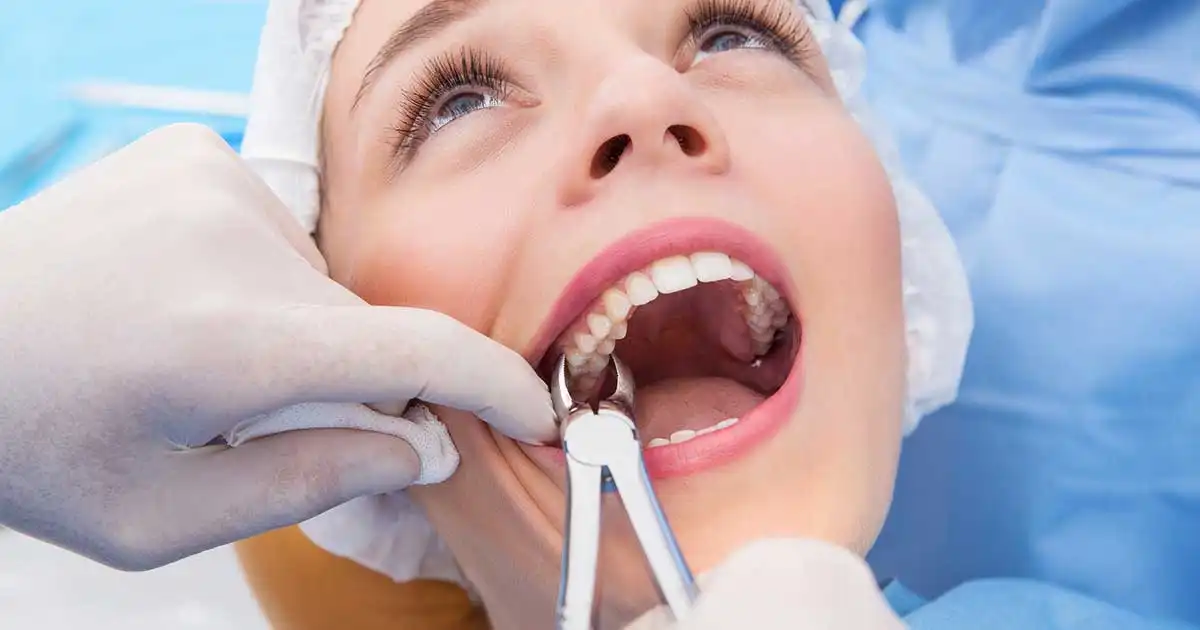
Performed on visible teeth under local anesthesia. The dentist loosens the tooth with an elevator and removes it with forceps.

Surgical Extraction:

Necessary for teeth that are not easily accessible, such as impacted wisdom teeth. This procedure may require local anesthesia and sedation. The dentist or oral surgeon makes an incision in the gum to access the tooth.

  1. Preparation:
    • A thorough examination, including X-rays, is conducted to assess the tooth’s position and condition.
    • The patient’s medical history is reviewed to ensure no underlying conditions affect the procedure.
  2. Anesthesia:
    • Local anesthesia is administered to numb the area around the tooth. For surgical extractions, sedation or general anesthesia may be used.
  3. Extraction:
    • In a simple extraction, the dentist uses an elevator to loosen the tooth and forceps to remove it.
    • In a surgical extraction, an incision is made in the gum, and the tooth may be broken into smaller pieces for easier removal.
  4. Post-Extraction Care:
    • Gauze is placed over the extraction site to control bleeding.
    • Instructions for home care, including pain management, oral hygiene, and dietary restrictions, are provided.
  • Bleeding:
    • Bite on gauze for 30-45 minutes to control bleeding. If bleeding persists, replace the gauze and continue to apply pressure.
  • Pain Management:
    • Over-the-counter pain relievers like ibuprofen or prescribed medications can help manage discomfort.
    • Apply ice packs to the outside of the cheek to reduce swelling.
  • Oral Hygiene:
    • Avoid rinsing, spitting, or using a straw for the first 24 hours to prevent dislodging the blood clot.
    • After 24 hours, rinse gently with warm salt water to keep the extraction site clean.
  • Diet:
    • Stick to soft foods such as yogurt, applesauce, and mashed potatoes for the first few days.
    • Avoid hot, spicy, or crunchy foods that could irritate the extraction site.
  • Activity:
    • Rest and avoid strenuous activities for the first 24 hours to minimize bleeding and swelling.
  • Dry Socket:
    • Occurs when the blood clot at the extraction site is dislodged, exposing the underlying bone and nerves. Symptoms include severe pain and an unpleasant odor. Contact your dentist if you suspect a dry socket.
  • Infection:
    • Signs include fever, increased pain, swelling, and pus discharge. If any of these symptoms occur, seek immediate medical attention.
  • Damage to Adjacent Teeth:
    • In rare cases, adjacent teeth, dental work, or the jawbone may be damaged during extraction.

Filling Treatment

Filling Treatment: A Comprehensive Guide by Green Village Medical

What is a Dental Filling?

A dental filling is a restorative procedure used to repair teeth that have been damaged by decay, fractures, or wear. The filling material restores the tooth’s shape, function, and integrity, preventing further decay and protecting the tooth from additional damage.

Types of Filling Materials

  1. Amalgam Fillings:
    • Made from a mixture of metals, including silver, mercury, copper, and tin.
    • Durable and strong, making them suitable for back teeth where chewing pressure is greatest.
    • Noticeable due to their silver color.
  2. Composite Fillings:
    • Made from a resin material that can be color-matched to the natural teeth.
    • Aesthetic and blend seamlessly with the tooth.
    • Suitable for visible teeth and areas with moderate chewing pressure.
  3. Ceramic Fillings:
    • Made from porcelain and are tooth-colored.
    • Highly aesthetic and resistant to staining.
    • More expensive than composite fillings and require a special fabrication process.
  4. Gold Fillings:
    • Made from a gold alloy.
    • Extremely durable and long-lasting.
    • More noticeable and expensive compared to other materials.
  5. Glass Ionomer Fillings:
    • Made from a mixture of acrylic and glass.
    • Release fluoride, which helps protect the tooth from further decay.
    • Weaker than other materials, making them suitable for areas with low chewing pressure or for temporary fillings.

When is a Dental Filling Needed?

  1. Tooth Decay:
    • Cavities caused by bacterial activity that damages the tooth enamel and dentin.
  2. Fractured Teeth:
    • Teeth that are cracked or chipped due to trauma or wear.
  3. Worn Teeth:
    • Teeth worn down by grinding (bruxism) or acidic erosion.
  4. Replacing Old Fillings:
    • Fillings that have worn out, cracked, or fallen out need to be replaced to restore the tooth’s integrity.

Bone Powder Graft

Bone Powder Graft: An Informative Guide by Green Village Medical

What is Bone Powder Graft?

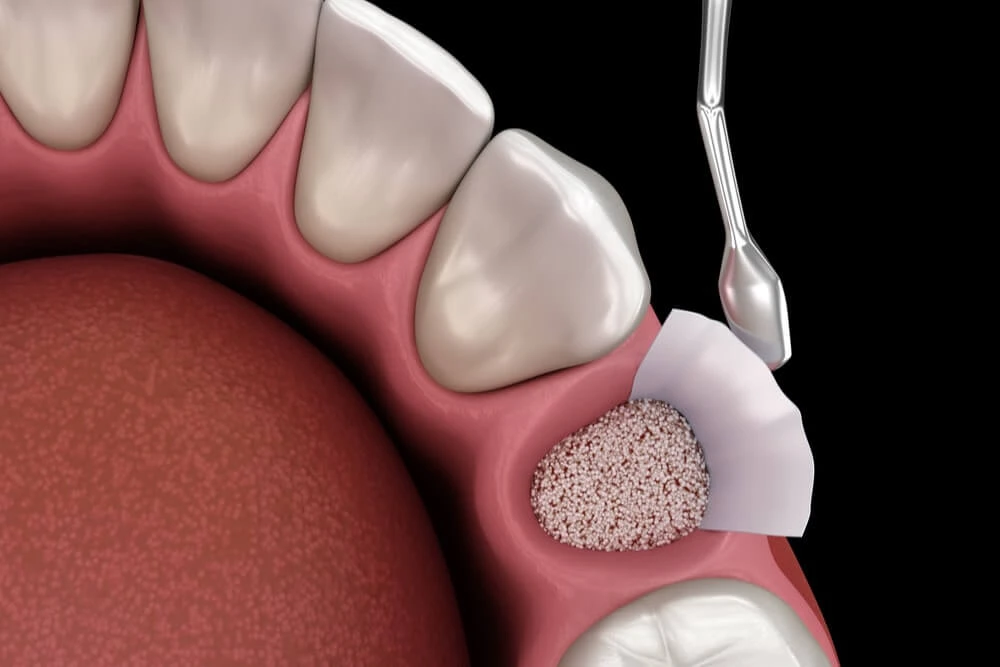
A bone powder graft, also known as bone grafting material, is a biocompatible substance used in various medical procedures such as dental implants and orthopedic surgeries. These grafts are utilized to compensate for bone loss or to promote new bone growth, making them a popular choice in dentistry and orthopedics.

Applications and Benefits
  1. Dentistry and Implantology:
    • To provide sufficient bone volume before dental implants.
    • To regenerate bone tissue lost due to periodontal disease.
    • To prevent and correct jawbone atrophy.
  2. Orthopedic Surgery:
    • To accelerate the healing of fractured bones.
    • To correct bone defects and deformities.
    • To support spinal fusion surgeries.
  3. Cosmetic Surgery:
    • For reshaping facial bones.
    • For chin and cheekbone implants.

Types of Bone Powder Grafts

  1. Autogenous Grafts: Bone tissue taken from the patient’s own body.
  2. Allogenic Grafts: Bone tissue taken from another human donor.
  3. Xenogenic Grafts: Bone tissue derived from animals, usually bovine or porcine.
  4. Synthetic Grafts: Biocompatible materials produced in a laboratory.

Teeth Cleaning

Comprehensive Guide to Teeth Cleaning and Aesthetic Dentistry

Maintaining optimal oral hygiene involves more than just brushing and flossing; it extends to professional teeth cleaning and aesthetic dentistry. These practices not only ensure dental health but also enhance the aesthetic appearance of your smile. Let’s delve into the various aspects of teeth cleaning and its role in dental aesthetics.

Importance of Teeth Cleaning

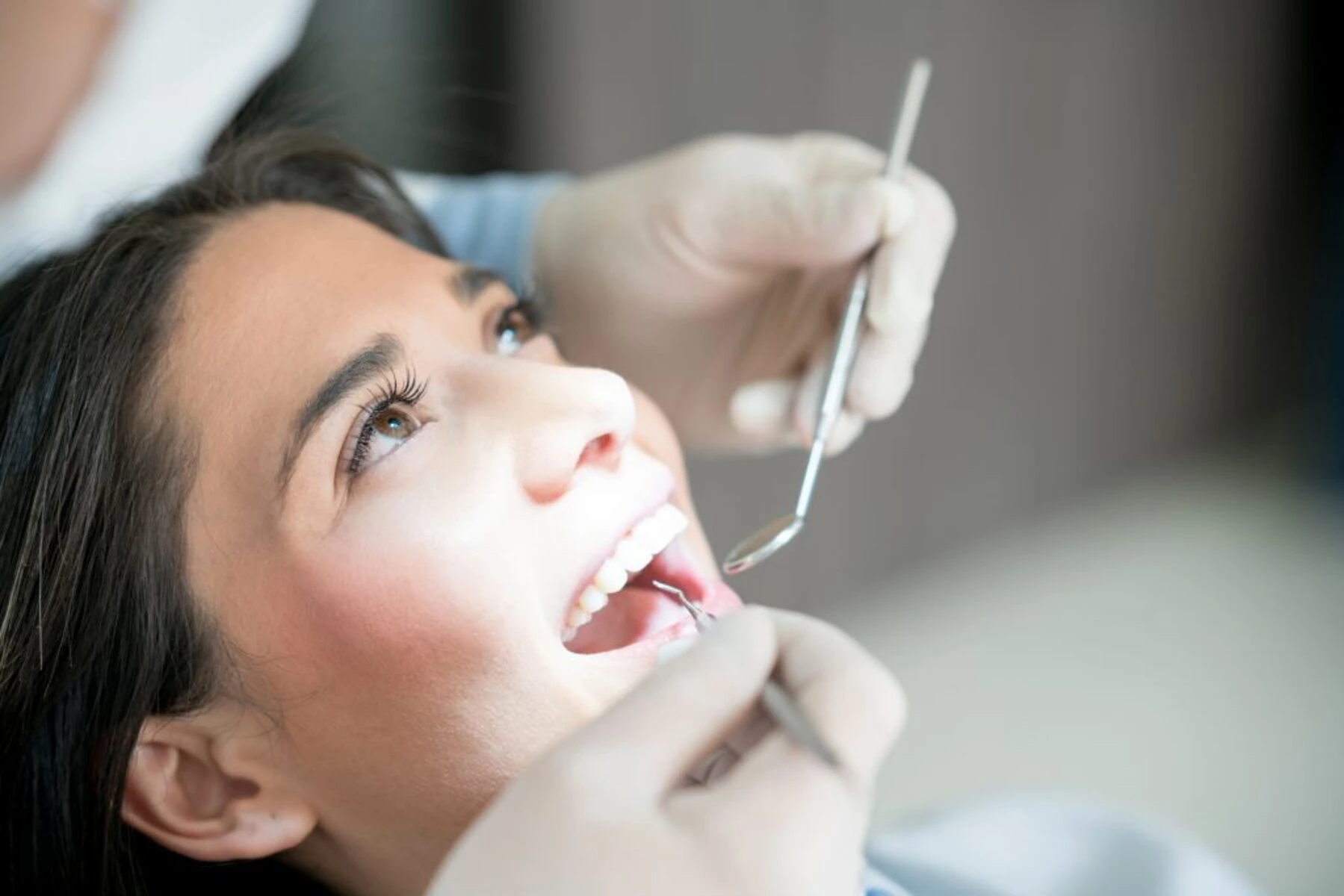
Teeth cleaning is pivotal in preventing dental plaque and tartar buildup, which can lead to cavities and gum disease if left unchecked. Through regular dental cleanings, performed by oral hygienists or dentists, plaque and tartar are meticulously removed from the teeth and gum line. This process not only promotes oral health but also prepares the foundation for aesthetic treatments like whitening and smile design.

Procedures in Aesthetic Dentistry

Esthetic Dental Cleaning

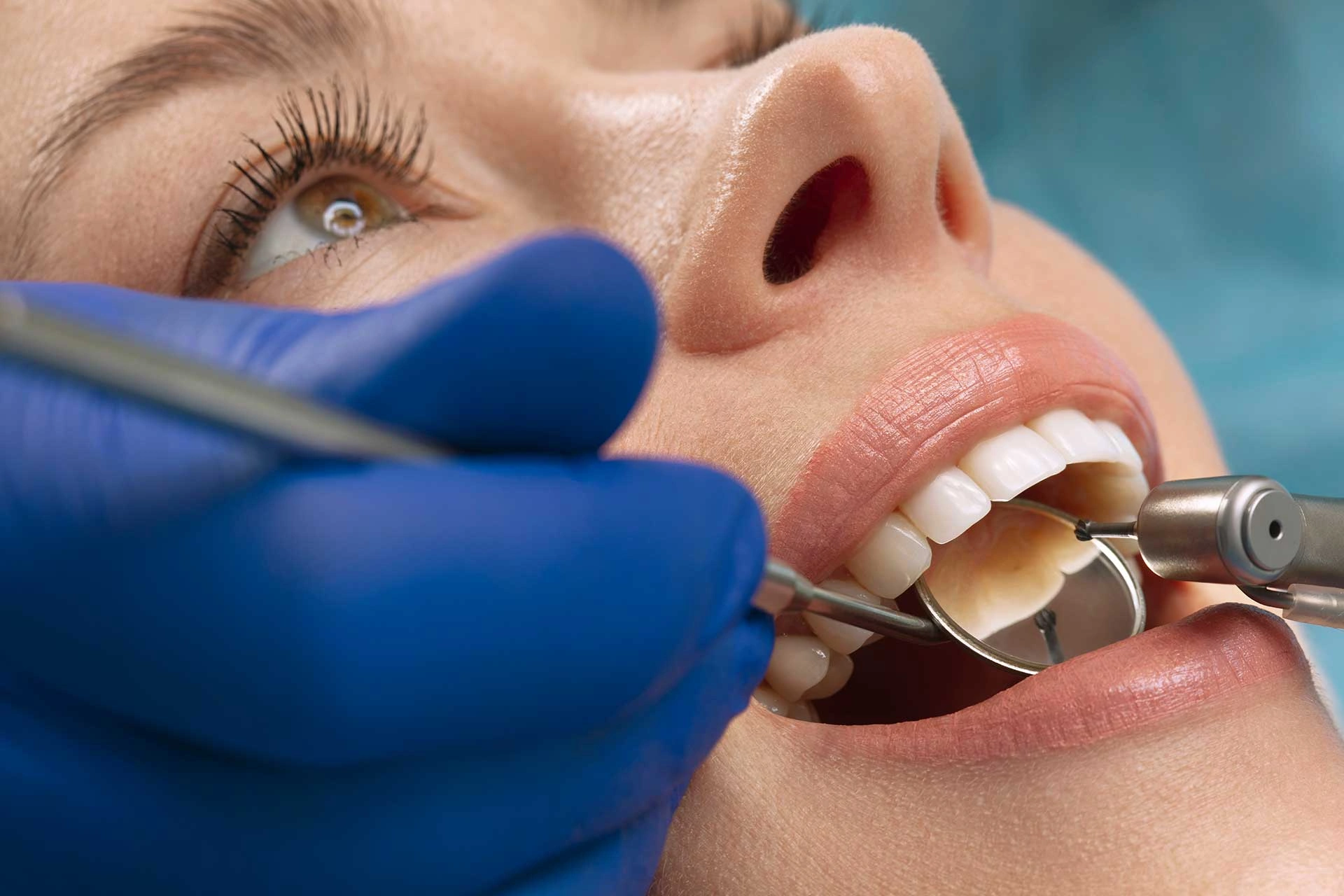
Esthetic dental cleaning focuses on not only cleaning but also enhancing the appearance of teeth. It involves thorough removal of surface stains and plaque using advanced tools and techniques. This procedure sets the stage for subsequent aesthetic treatments.

Teeth Whitening

Teeth whitening is a popular aesthetic dental procedure aimed at brightening the natural color of teeth. It can significantly enhance the smile aesthetics, making teeth appear lighter and more vibrant. Professional whitening treatments, such as bleaching, are safer and more effective than over-the-counter products.

Smile Design

Smile design integrates various cosmetic dental procedures to create a harmonious and attractive smile. It considers factors like tooth shape, alignment, and color to achieve optimal results. Techniques such as veneers and bonding are often used to reshape and enhance the appearance of teeth, contributing to a confident smile.

Protecting Tooth Enamel

Preserving tooth enamel (diş minesini koruma) is crucial during teeth cleaning and aesthetic treatments. Enamel is the outermost layer of the tooth, protecting it from decay and sensitivity. Gentle cleaning methods and fluoride treatments help maintain enamel integrity, ensuring long-term dental health.

Improving Tooth Color

Improving tooth color (diş rengi iyileştirme) is a primary goal of aesthetic dentistry. While teeth whitening addresses surface stains, other treatments like composite bonding and porcelain veneers can correct deeper discoloration and irregularities. These procedures are tailored to achieve a natural-looking, uniform tooth color that complements facial features.

Dental Prosthesis

Dental Prosthesis: A Comprehensive Guide

In the realm of dental prosthesis, understanding the nuances of temporary dental prostheses is crucial for both patients and dental professionals alike. These prostheses serve a pivotal role in restoring oral function and aesthetics, albeit temporarily, until a more permanent solution can be implemented.

Types of temporary dental prostheses

Temporary dental prostheses encompass a variety of types tailored to specific dental conditions and patient needs. These include interim dentures, temporary crowns, and bridges.

Steps in making a temporary dental prosthesis

The fabrication of a temporary dental prosthesis involves several intricate steps. It begins with impressions of the patient’s teeth and gums, followed by modeling and adjustments to ensure proper fit and functionality.

Maintenance of temporary dental prostheses

Proper maintenance of temporary dental prostheses is essential for longevity and oral health. Regular cleaning and professional check-ups help prevent complications.

Duration of use for temporary dental prostheses

The duration for which temporary dental prostheses are worn varies depending on individual circumstances, typically ranging from weeks to several months.

Cost of temporary dental prostheses

Cost considerations for temporary dental prostheses include materials, labor, and insurance coverage, influencing affordability for patients.

Advantages of temporary dental prostheses

Temporary dental prostheses offer immediate restoration of function and aesthetics, aiding in chewing, speech, and smile enhancement.

Disadvantages of temporary dental prostheses

Despite their benefits, temporary dental prostheses may pose challenges such as limited durability and potential discomfort.

Composite Fillings

Understanding Composite Fillings: A Modern Approach to Dental Restoration

Composite fillings have transformed the landscape of dental care, providing a tooth-colored alternative that emphasizes both aesthetic appearance and functional durability. Unlike traditional silver amalgam fillings, which can be conspicuous against natural tooth enamel, composite fillings blend seamlessly with the surrounding dentition, offering a natural and pleasing look.

The Importance of Color Matching and Natural Appearance

Central to the appeal of composite fillings is their ability to achieve precise color matching. This involves selecting a composite material that closely resembles the natural color of the tooth being restored. By mimicking the natural appearance of enamel, these fillings ensure that repaired teeth seamlessly integrate with the smile, enhancing overall aesthetics.

The Composition of Composite Material

Composite fillings are composed of a mixture of resin and finely ground glass particles. This blend not only provides the desired aesthetic appearance but also offers durability and strength comparable to traditional amalgam fillings. The composite material is flexible and can be shaped and contoured to restore the tooth’s original form and function.

Versatility and Cosmetic Benefits

One of the standout features of composite fillings is their versatility in dental restoration. They are suitable for repairing small to moderate cavities in both front and back teeth. Beyond cavity repair, composite fillings can also be used to fix chips or cracks in teeth, contributing to a more cosmetic and pleasing smile.

The Procedure: Placing Composite Fillings

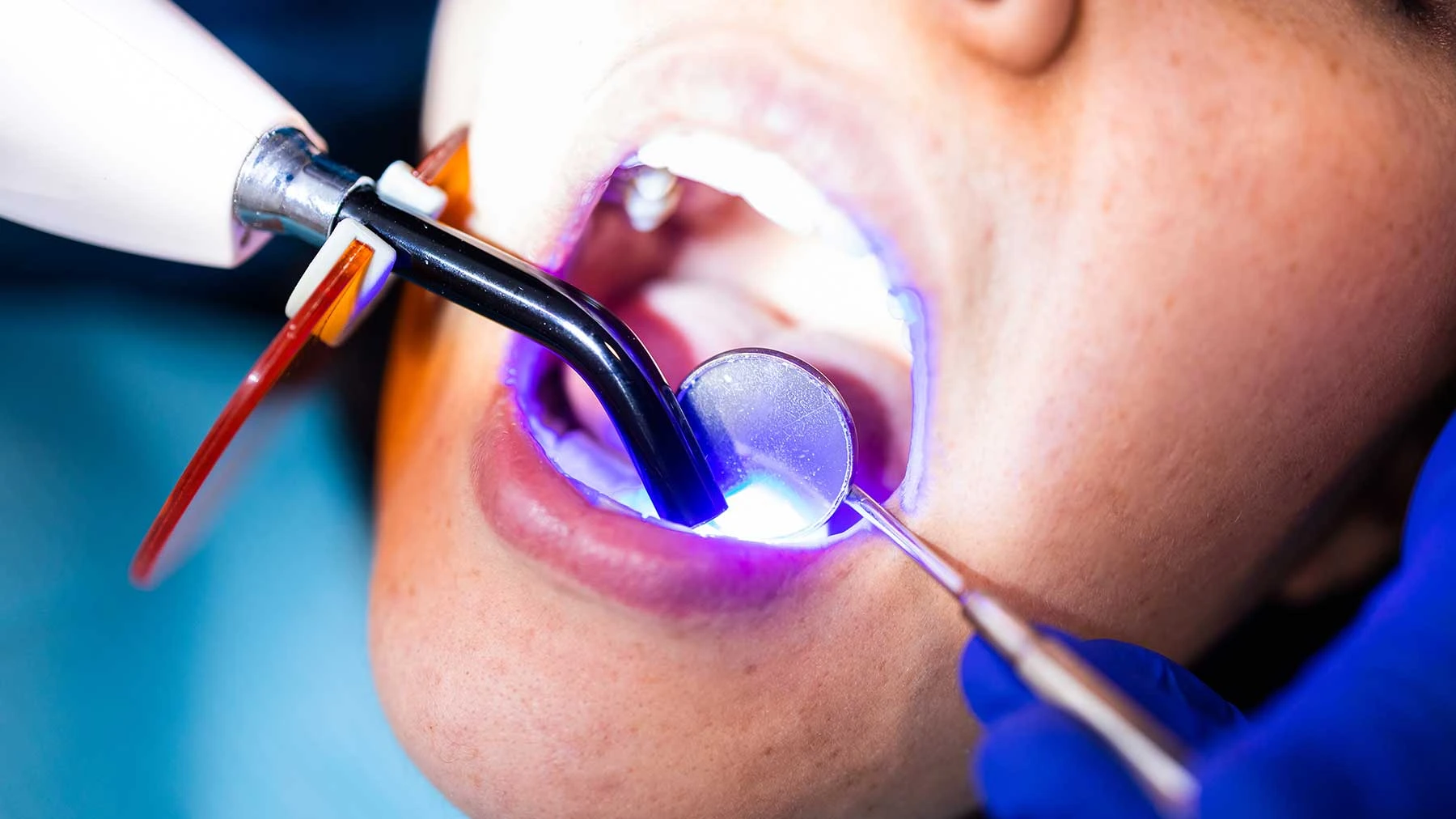
The process of placing a composite filling involves several meticulous steps. First, the dentist ensures the patient’s comfort by numbing the area around the affected tooth. Any decay or damage is then carefully removed, leaving behind a clean surface. The composite resin is applied in layers, with each layer being hardened using a special curing light. This curing process not only bonds the filling securely to the tooth but also allows for precise shaping and contouring.