Green Village Medical

Hair Transplant Aftercare: The First 10 Days – What to Do and Avoid

Hair Transplant Aftercare: The First 10 Days – What to Do and Avoid

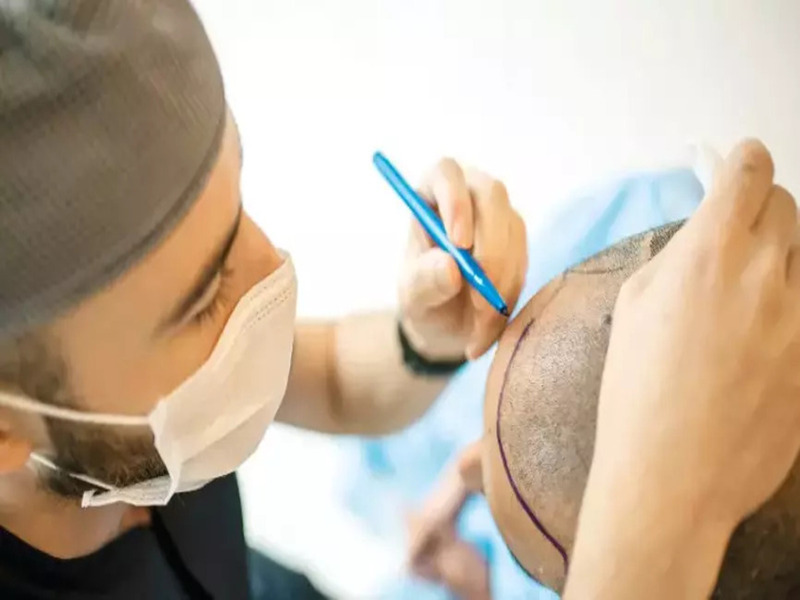
A hair transplant is a transformative journey that restores not only your hair but also your confidence. However, the success of the procedure relies heavily on how carefully you follow the post-operative care instructions. The first 10 days after surgery are the most crucial for ensuring that the transplanted follicles (grafts) settle securely and begin their growth cycle naturally.

At Green Village Medical, we guide every patient step-by-step, providing clear and comprehensive aftercare instructions to ensure the best possible results. In this guide, you’ll discover exactly what to do — and what to avoid — during this sensitive period.


Why the First 10 Days Are So Important

In the first 10 days, the newly implanted grafts are extremely delicate. Any trauma, friction, or infection can damage them, potentially compromising the final results. Proper care helps the follicles establish a strong foundation, leading to natural, long-lasting growth.

Your Main Goals During This Period:

  • Protect the transplanted area from any trauma or friction.
  • Keep the scalp clean and prevent infections.
  • Reduce swelling and discomfort.
  • Support healing with adequate sleep, nutrition, and hydration.

Day-by-Day Recovery Timeline

Day 1 – Surgery Day

Right after the procedure, you will leave the clinic with a protective dressing. It’s normal to experience some redness, swelling, or slight discomfort.

  • Rest completely and avoid sudden head movements.
  • Sleep with your head elevated at a 30–45° angle.
  • Do not touch or scratch the transplanted area.

Days 2–3 – Early Healing

Swelling might slightly increase during these days, especially on the forehead or around the eyes. This is a natural healing response.

  • Continue to sleep with your head elevated.
  • Take all prescribed medications on schedule.
  • Avoid direct sunlight and dirty environments.

Days 4–5 – First Gentle Wash

At this stage, you’ll have your first gentle wash, which is essential for removing dried blood and debris without harming the grafts.

  • Use only the shampoo recommended by Green Village Medical.
  • Gently pour lukewarm water over the scalp — never rub.
  • Pat dry with a soft towel.

Days 6–7 – Scab Formation

Small scabs will form around the grafts — this is completely normal. Do not pick or scratch them, as this can dislodge the grafts.

  • Continue gentle washing to help soften scabs.
  • Avoid wearing tight hats or helmets.
  • Do not engage in strenuous activities or exercise.

Days 8–10 – Stabilization Phase

By the end of the first 10 days, the grafts will begin to stabilize, and most scabs will naturally fall off.

  • Return to light daily activities but avoid any risk of scalp injury.
  • Continue avoiding sports, pools, and saunas.
  • Schedule a follow-up visit with your surgeon.

What You Should Do

  • Follow all aftercare instructions from your clinic.
  • Maintain proper scalp hygiene to prevent infections.
  • Drink plenty of water and eat a balanced, vitamin-rich diet.
  • Sleep on your back with your head elevated for at least 5 days.
  • Use only clinic-approved hair care products.

What You Should Avoid

  • Do not touch, rub, or scratch the transplanted area.
  • Avoid alcohol and smoking — they slow down the healing process.
  • Do not go to pools, saunas, or steam rooms.
  • Avoid heavy exercise or sports activities.
  • Stay away from direct sunlight exposure.

Understanding the Shedding Phase

Around weeks 2–4, you may notice that some of the transplanted hairs begin to shed. This is completely normal and part of the natural growth cycle. The follicles remain intact beneath the skin and will soon produce new, healthy hair.

  • Do not panic — shedding is temporary.
  • Continue gentle washing and scalp care.
  • Avoid styling products unless approved by your doctor.

Book Your Free Consultation Today

Ready to start your hair restoration journey? Contact Green Village Medical today for a personalized treatment plan and expert care.

Book Your Consultation

Follow us on Instagram: @greenvillagemedical
Common Aesthetic Mistakes and How to Avoid Them

Common Mistakes in Cosmetic Procedures & How to Avoid Them

Cosmetic treatments are more popular than ever, thanks to modern technology, skilled surgeons, and the desire for enhanced self-confidence. However, achieving the best results requires more than just booking a procedure—it also involves preparation, education, and careful decision-making.

Here are some of the most common mistakes people make when undergoing aesthetic procedures and how to avoid them:

1. Setting Unrealistic Expectations

One of the biggest mistakes is expecting immediate perfection or complete transformation. Cosmetic procedures are designed to enhance your natural beauty, not create an entirely new face or body. Patients who go into surgery thinking they will look like a celebrity often end up disappointed.

💡 Tip: Always ask your doctor to show you realistic before & after photos of previous patients. Have an open discussion about what can and cannot be achieved with your specific anatomy.

2. Choosing the Wrong Provider Based on Price

Choosing a clinic solely based on low prices is risky. Unlicensed clinics or inexperienced practitioners may offer attractive deals but compromise on hygiene, safety, and technique.

💡 Tip: Make sure your clinic is licensed, the surgeon is board-certified, and the facility meets international health standards. When it comes to your body, safety should always come before savings.

3. Following Trends Instead of Personal Needs

Social media trends like “fox eyes,” “Russian lips,” or ultra-high BBLs may not suit everyone. What looks good on someone else might not be right for your face or body proportions.

💡 Tip: Focus on what works best for your unique features. A personalized approach always delivers more natural and satisfying results than following temporary trends.

4. Neglecting Pre- and Post-Procedure Instructions

Many patients skip vital steps like quitting smoking before surgery or taking prescribed antibiotics after it. Others return to work too early or ignore rest periods, affecting their recovery and results.

💡 Tip: Strictly follow all instructions given by your surgeon. Ask questions if anything is unclear. Remember: Recovery is just as important as the procedure itself.

5. Overdoing or Repeating Procedures Too Soon

Repeating fillers or Botox too frequently, or combining too many treatments at once, can lead to unnatural results. Patience is key—your body needs time to heal and adapt.

💡 Tip: Schedule touch-ups only when truly necessary and based on professional advice. Give your body time to show results before seeking more interventions.

6. Relying Solely on Online Images or Influencers

Heavily edited photos and influencer promotions can be misleading. What looks perfect online might not reflect real, long-term outcomes.

💡 Tip: Use online content for inspiration—not as your only research source. Look for verified reviews, clinic accreditations, and direct consultations before making any decision.

7. Ignoring Overall Health and Lifestyle

Aesthetic results are influenced by your lifestyle. Poor diet, smoking, lack of sleep, and dehydration can slow recovery and worsen results.

💡 Tip: Maintain a healthy lifestyle before and after your procedure. Good skin care, proper nutrition, and regular hydration significantly improve healing and outcomes.

Conclusion: Be Informed, Be Realistic, Be Safe

Undergoing an aesthetic procedure is a personal journey. Whether you’re planning a rhinoplasty, hair transplant, or smile makeover, your choices matter. By avoiding these common mistakes, you set yourself up for a smoother recovery, more natural results, and long-term satisfaction.

🌍 Thinking of having your procedure abroad? Always choose internationally accredited clinics with multilingual support and transparent communication—because trust and expertise matter most.

Stem Cell Treatment

Understanding Stem Cells

What are Stem Cells?
Stem cells are undifferentiated cells with the remarkable ability to develop into various cell types within the body.
They serve as the body’s raw materials, capable of replenishing other cells indefinitely through cell division.
Stem cells can be classified into embryonic stem cells, adult stem cells, and induced pluripotent stem cells, each with distinct characteristics and sources.
The Science Behind Stem Cell Treatment
Stem cell treatment harnesses the regenerative potential of these versatile cells to repair, replace, or regenerate damaged tissues and organs.
Through precise manipulation in laboratory settings, stem cells can be directed to differentiate into specific cell types required for therapeutic purposes.
This approach holds immense promise for treating a wide array of medical conditions, ranging from neurological disorders to degenerative diseases.

Applications of Stem Cell Treatment

Medical Marvels: Green Village Medical at the Forefront At Green Village Medical, we pioneer innovative applications of stem cell treatment, offering cutting-edge solutions tailored to individual patient needs.
Our multidisciplinary team of experts employs state-of-the-art techniques to harness the therapeutic potential of stem cells effectively.
From orthopedic injuries to autoimmune disorders, we explore the vast spectrum of conditions amenable to stem cell therapy, striving to redefine the boundaries of modern medicine.
Orthopedic Regeneration: Healing from Within Green Village Medical specializes in orthopedic stem cell treatment, facilitating the regeneration of damaged cartilage, tendons, and ligaments.
By injecting stem cells directly into injured joints, we stimulate tissue repair mechanisms, promoting accelerated healing and improved function.
This minimally invasive approach offers an alternative to traditional surgical interventions, minimizing recovery times and optimizing outcomes.

  • Regular Dental Check-Ups:
    • Frequency: Visit your dentist every six months for a check-up and cleaning.
    • Benefits: Regular visits allow for early detection and treatment of dental issues, professional cleaning to remove tartar, and personalized advice on maintaining oral health.
  • Dental Cleanings:
    • Procedure: Professional cleanings remove plaque and tartar that regular brushing and flossing can’t reach. Your dentist or dental hygienist will use special tools to clean your teeth above and below the gumline.
  •  
  • Sealants:
    • Application: Dental sealants are thin, protective coatings applied to the chewing surfaces of back teeth (molars) to prevent cavities.
    • Benefits: Sealants protect against decay by sealing out food particles and bacteria.
  • Fluoride Treatments:
    • Application: Professional fluoride treatments involve applying a high concentration of fluoride to the teeth, typically in the form of a gel, foam, or varnish.
    • Benefits: Fluoride strengthens tooth enamel and helps prevent cavities.
  • Healthy Diet:
    • Recommendations: Consume a balanced diet rich in fruits, vegetables, lean proteins, and whole grains. Limit sugary snacks and drinks, as sugar feeds harmful bacteria that cause cavities.
    • Hydration: Drink plenty of water, especially after meals, to help wash away food particles and neutralize acids produced by bacteria in the mouth.
  • Avoid Tobacco Products:
    • Impact: Smoking and using other tobacco products can lead to gum disease, tooth loss, and oral cancer.
    • Recommendation: Seek support to quit tobacco use to improve oral and overall health.
  • Limit Alcohol Consumption:
    • Impact: Excessive alcohol consumption can increase the risk of oral cancer and negatively affect oral hygiene.
    • Recommendation: Drink alcohol in moderation and maintain good oral hygiene.
  •  
  • Children’s Oral Care:
    • Start Early: Begin cleaning your child’s mouth even before teeth appear by wiping the gums with a soft, damp cloth. Once teeth emerge, use a small, soft-bristle toothbrush and a rice-sized amount of fluoride toothpaste.
    • Supervision: Supervise children’s brushing until they are around 7-8 years old to ensure they use the right amount of toothpaste and brush effectively.
  • Senior Oral Care:
    • Challenges: Seniors may face unique oral health challenges such as dry mouth, root decay, and tooth loss.
    • Solutions: Maintain regular dental visits, use fluoride toothpaste and mouthwash, stay hydrated, and consider using an electric toothbrush for easier cleaning.
  •  
  • Tooth Decay (Cavities):
    • Prevention: Maintain good oral hygiene, limit sugary foods and drinks, use fluoride products, and get regular dental check-ups.
  • Gum Disease (Periodontal Disease):
    • Prevention: Brush and floss daily, use antimicrobial mouthwash, avoid tobacco, and visit your dentist regularly for cleanings.
  • Tooth Sensitivity:
    • Prevention: Use toothpaste designed for sensitive teeth, avoid acidic foods and drinks, and maintain good oral hygiene.
  • Bad Breath (Halitosis):
    • Prevention: Brush and floss daily, clean your tongue, stay hydrated, avoid foods that cause bad breath, and visit your dentist regularly.
  •  

Sapphire Hair Transplant

Sapphire Hair Transplant: A Comprehensive Guide by Green Village Medical

What is Sapphire Hair Transplant?

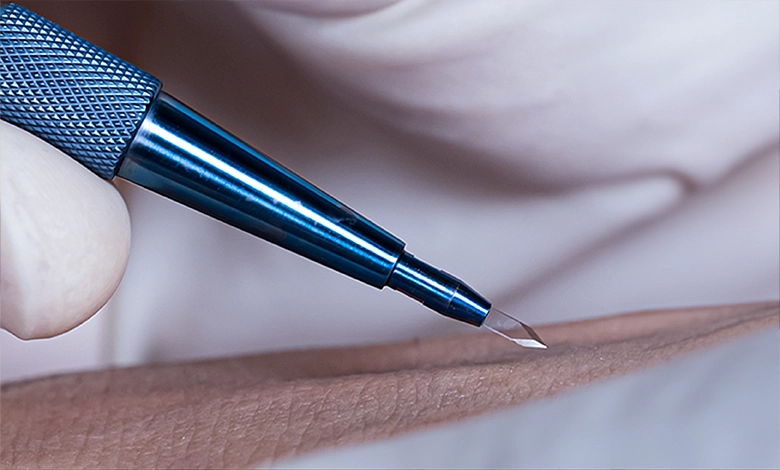
Sapphire hair transplant, also known as Sapphire FUE (Follicular Unit Extraction), is an advanced hair restoration technique that uses special blades made from sapphire gemstone to create recipient sites for hair transplantation. This method offers several advantages over traditional FUE techniques, including higher precision, minimal scarring, and faster healing.

Mustache Transplant

Mustache Transplant: A Comprehensive Guide by Green Village Medical

What is a Mustache Transplant?

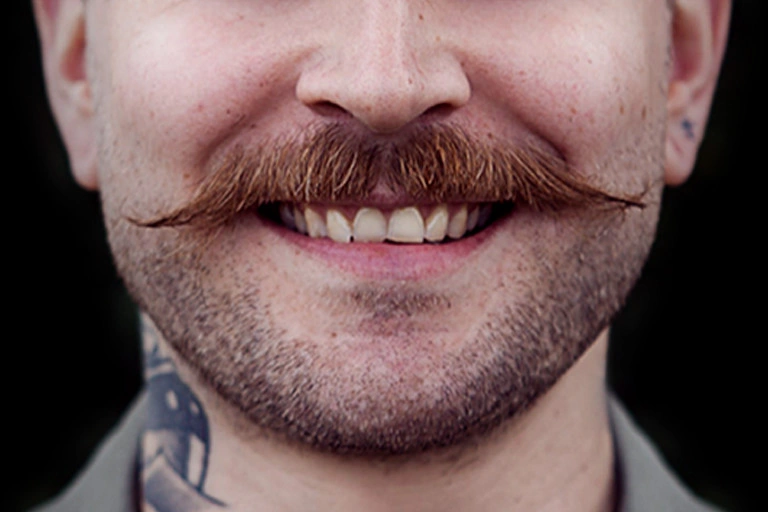
A mustache transplant is a surgical procedure designed to enhance or restore the appearance of the mustache by transplanting hair follicles from a donor area, typically the back of the scalp, to the upper lip. This procedure is suitable for individuals with thin, patchy, or absent mustaches who desire a fuller, more defined look.