
Green Village Medical

Mesotherapy

Mesotherapy: A Comprehensive Overview

Welcome to Green Village Medical’s guide to mesotherapy, a versatile and innovative approach to skincare and wellness. Mesotherapy has emerged as a popular treatment option, offering targeted solutions for various aesthetic concerns. In this comprehensive overview, we delve into the intricacies of mesotherapy, exploring its applications, techniques, and benefits.
Understanding Mesotherapy

What is Mesotherapy?
    • Mesotherapy is a minimally invasive cosmetic procedure that involves the injection of a customized cocktail of vitamins, minerals, enzymes, and other active ingredients into the mesodermal layer of the skin.
    • This technique aims to rejuvenate, tighten, and revitalize the skin by delivering nourishing compounds directly to the targeted areas.
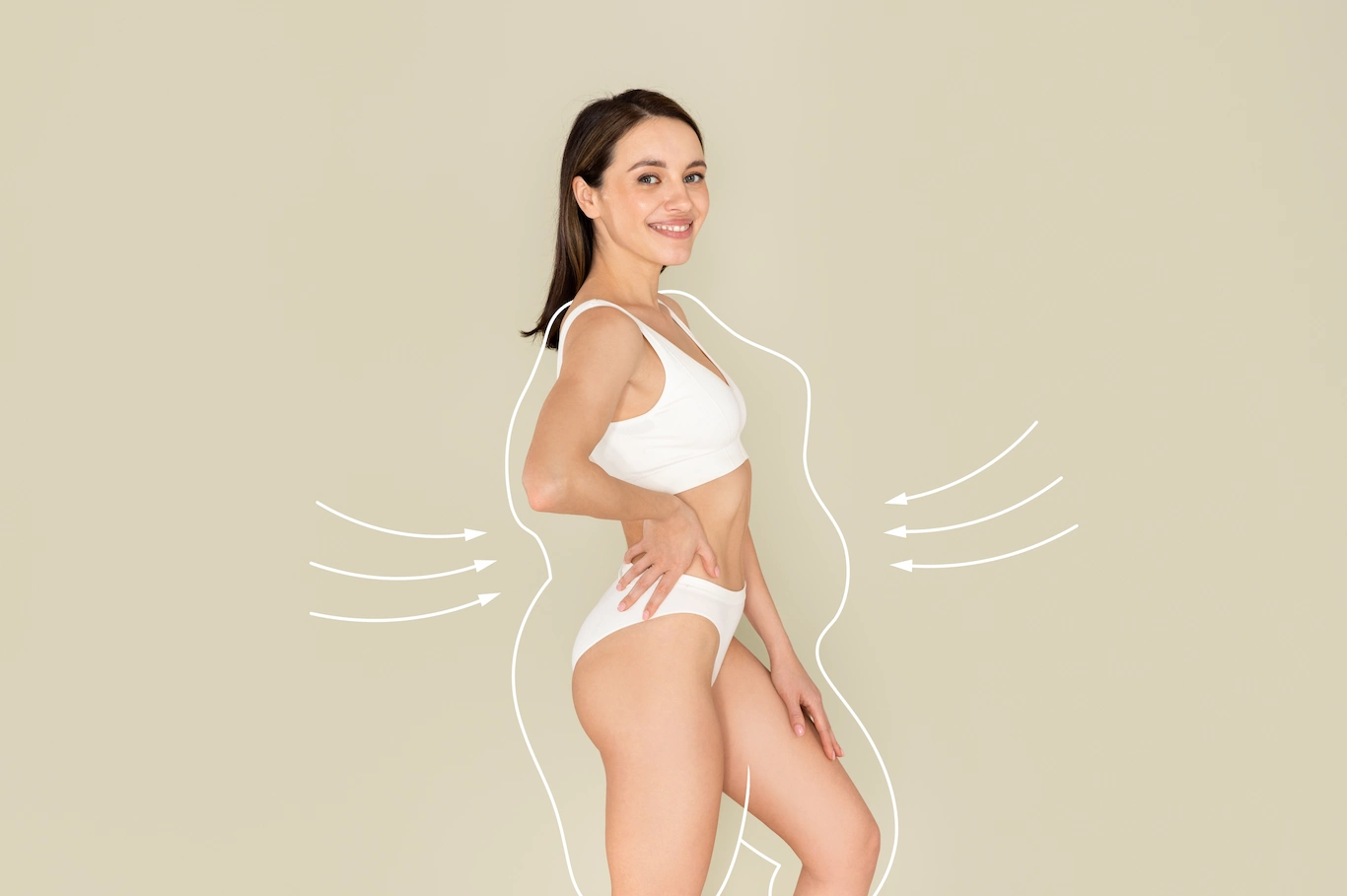
    • Mesotherapy can be tailored to address specific concerns, including cellulite reduction, hair restoration, facial rejuvenation, and body contouring.
      The Science Behind Mesotherapy
      • Mesotherapy operates on the principle of microinjections, which penetrate the skin’s surface to deliver therapeutic agents into the underlying tissues.
      • By bypassing the digestive system and bloodstream, mesotherapy achieves higher concentrations of active ingredients at the treatment site, maximizing efficacy.
      • The combination of ingredients in mesotherapy solutions is carefully selected to synergistically promote collagen production, improve circulation, and enhance cellular regeneration.
Applications of Mesotherapy
  • Facial Rejuvenation: Unlocking Radiant Skin
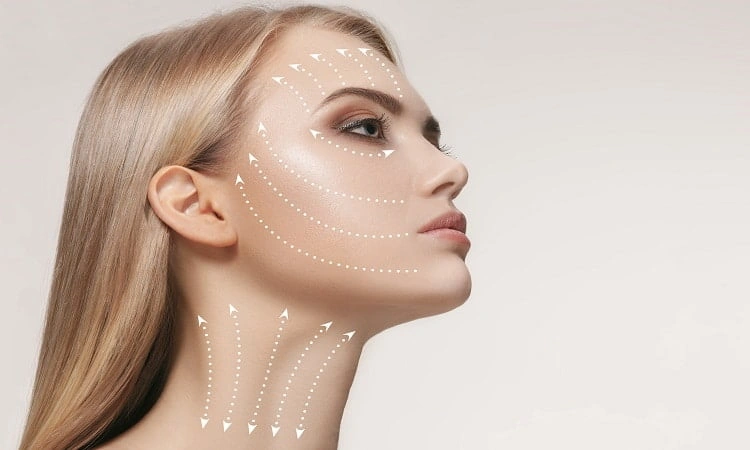
    • Mesotherapy offers a non-surgical approach to facial rejuvenation, addressing concerns such as fine lines, wrinkles, and sagging skin.
    • By stimulating collagen and elastin production, mesotherapy promotes skin firmness and elasticity, resulting in a smoother, more youthful complexion.
    • Customized mesotherapy cocktails can target specific areas of concern, including the under-eye area, cheeks, and jawline, for comprehensive facial enhancement.
  • Cellulite Reduction: Smoothing Dimples and Bumps
    • Mesotherapy presents an effective solution for reducing the appearance of cellulite, a common cosmetic concern affecting many individuals.
    • Through the targeted delivery of lipolytic agents, mesotherapy breaks down fat cells and stimulates lymphatic drainage, resulting in smoother, firmer skin.
    • Multiple mesotherapy sessions may be recommended to achieve optimal cellulite reduction and contouring results, with improvements becoming progressively more apparent over time.

Gastric Botox

Gastric Botox: A Promising Treatment for Gastrointestinal Disorders

Welcome to Green Village Medical’s comprehensive guide to gastric Botox, an innovative medical procedure offering hope for individuals suffering from certain gastrointestinal disorders. Gastric Botox, also known as botulinum toxin injection therapy for the stomach, has emerged as a promising treatment option for conditions such as gastroparesis and chronic gastritis. In this informative overview, we delve into the intricacies of gastric Botox, exploring its applications, benefits, considerations, and the science behind its therapeutic effects.

Understanding Gastric Botox

  • What is Gastric Botox?
    • Gastric Botox refers to the injection of botulinum toxin into specific areas of the stomach lining to alleviate symptoms associated with certain gastrointestinal conditions.
    • Botulinum toxin, commonly known as Botox, is a neurotoxic protein produced by the bacterium Clostridium botulinum. When injected in small doses, it temporarily paralyzes muscles, thereby reducing muscle contractions and promoting relaxation.
    • In the context of gastric Botox therapy, the targeted relaxation of stomach muscles can improve gastric motility and alleviate symptoms such as nausea, vomiting, and bloating.
  • The Science Behind Gastric Botox
    • Gastroparesis, a condition characterized by delayed gastric emptying, is often associated with abnormal or dysregulated muscle contractions in the stomach.
    • By injecting botulinum toxin into the pyloric sphincter or other targeted areas of the stomach, gastric Botox therapy aims to reduce muscle spasm and enhance gastric emptying.
    • The temporary paralysis induced by Botox inhibits excessive muscle contractions, allowing for smoother and more coordinated movement of food through the digestive tract.

Filling Treatment

Filling Treatment: A Comprehensive Guide by Green Village Medical

What is a Dental Filling?

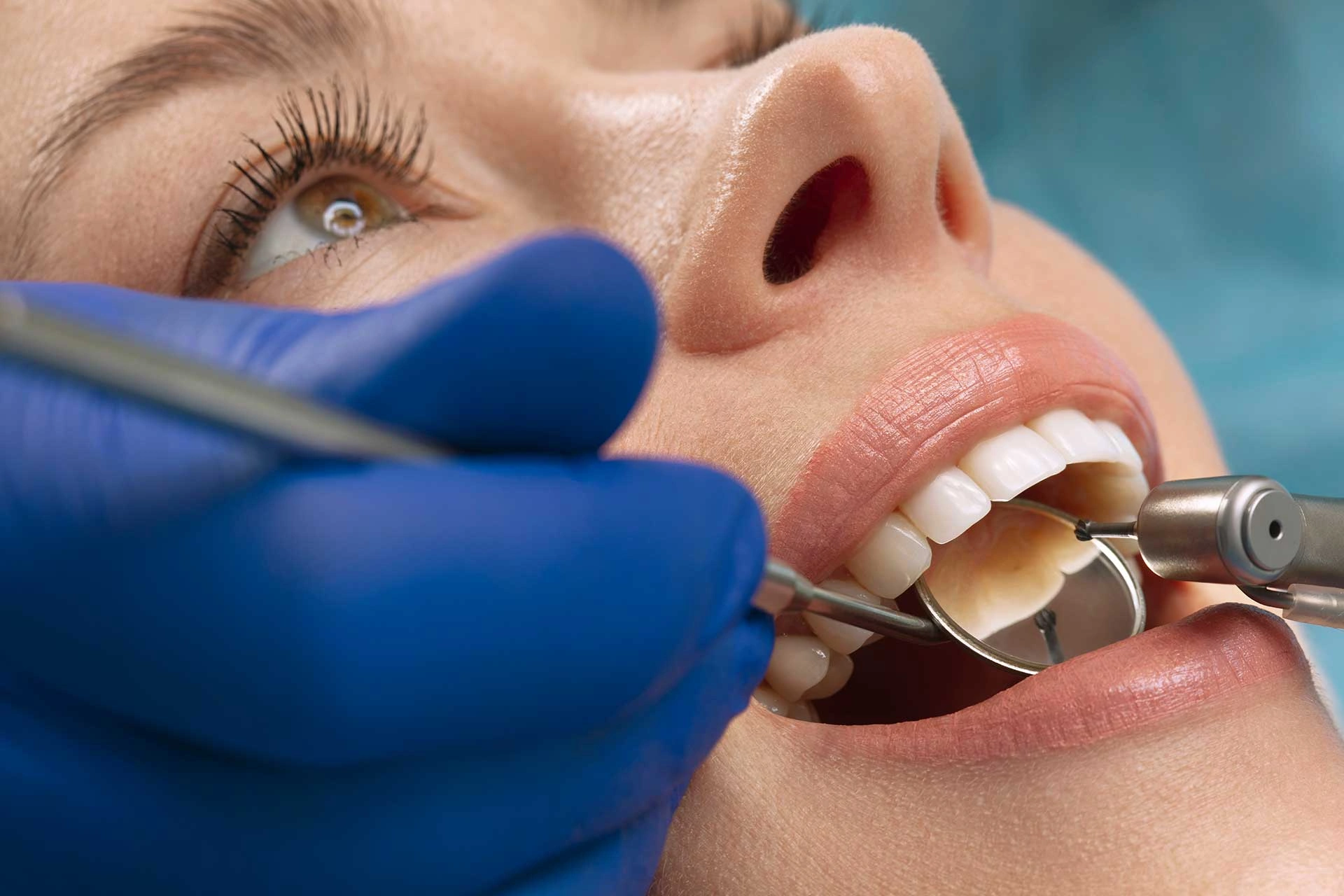
A dental filling is a restorative procedure used to repair teeth that have been damaged by decay, fractures, or wear. The filling material restores the tooth’s shape, function, and integrity, preventing further decay and protecting the tooth from additional damage.

Types of Filling Materials

  1. Amalgam Fillings:
    • Made from a mixture of metals, including silver, mercury, copper, and tin.
    • Durable and strong, making them suitable for back teeth where chewing pressure is greatest.
    • Noticeable due to their silver color.
  2. Composite Fillings:
    • Made from a resin material that can be color-matched to the natural teeth.
    • Aesthetic and blend seamlessly with the tooth.
    • Suitable for visible teeth and areas with moderate chewing pressure.
  3. Ceramic Fillings:
    • Made from porcelain and are tooth-colored.
    • Highly aesthetic and resistant to staining.
    • More expensive than composite fillings and require a special fabrication process.
  4. Gold Fillings:
    • Made from a gold alloy.
    • Extremely durable and long-lasting.
    • More noticeable and expensive compared to other materials.
  5. Glass Ionomer Fillings:
    • Made from a mixture of acrylic and glass.
    • Release fluoride, which helps protect the tooth from further decay.
    • Weaker than other materials, making them suitable for areas with low chewing pressure or for temporary fillings.

When is a Dental Filling Needed?

  1. Tooth Decay:
    • Cavities caused by bacterial activity that damages the tooth enamel and dentin.
  2. Fractured Teeth:
    • Teeth that are cracked or chipped due to trauma or wear.
  3. Worn Teeth:
    • Teeth worn down by grinding (bruxism) or acidic erosion.
  4. Replacing Old Fillings:
    • Fillings that have worn out, cracked, or fallen out need to be replaced to restore the tooth’s integrity.

Endoscopic Facelift

Endoscopic Facelift: A Modern Approach to Facial Rejuvenation

Welcome to Green Village Medical’s definitive guide to the endoscopic facelift, a state-of-the-art procedure reshaping the landscape of facial rejuvenation. The endoscopic facelift offers a sophisticated alternative to conventional facelift surgeries, delivering natural-looking results with minimal scarring and downtime. In this comprehensive overview, we’ll delve into the intricacies of the endoscopic facelift, exploring its technique, advantages, considerations, and the scientific underpinnings behind its efficacy.

Understanding the Endoscopic Facelift

  • Defining the Endoscopic Facelift
    • The endoscopic facelift, also referred to as the minimally invasive facelift, is a surgical procedure that utilizes an endoscope—a slender, illuminated tube with a camera—to visualize and manipulate facial tissues through tiny incisions.
    • Unlike traditional facelifts that involve extensive dissection and larger incisions, the endoscopic approach offers a more precise and less invasive method of lifting and repositioning facial structures.
    • By employing advanced technology, plastic surgeons can achieve remarkable rejuvenation with minimal scarring, reduced trauma, and enhanced patient satisfaction.
  • The Science Behind the Endoscopic Facelift
    • The endoscopic facelift targets the superficial musculoaponeurotic system (SMAS), a layer of facial muscles and connective tissue that loses elasticity and sags with age.
    • Through small incisions strategically placed behind the hairline, an endoscope provides visualization of the underlying facial anatomy.
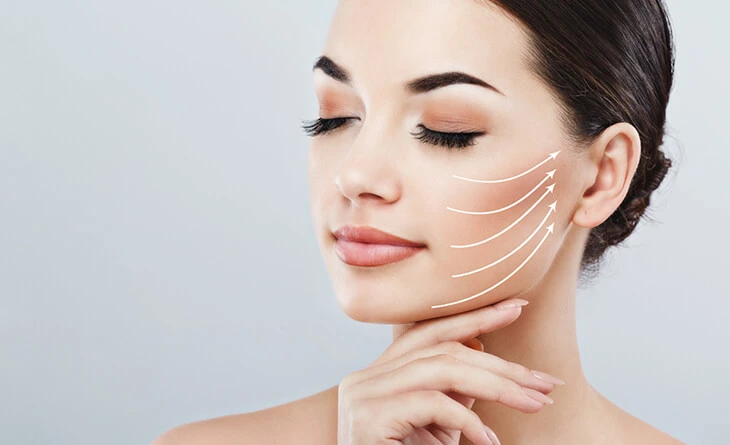
    • Using specialized instruments, the plastic surgeon lifts and repositions the SMAS, restoring youthful contours and addressing signs of aging such as jowls and sagging skin.
    • By addressing structural changes beneath the skin’s surface, the endoscopic facelift achieves natural-looking results with less tension on the skin, minimizing the risk of a “pulled” or artificial appearance.

Bone Powder Graft

Bone Powder Graft: An Informative Guide by Green Village Medical

What is Bone Powder Graft?

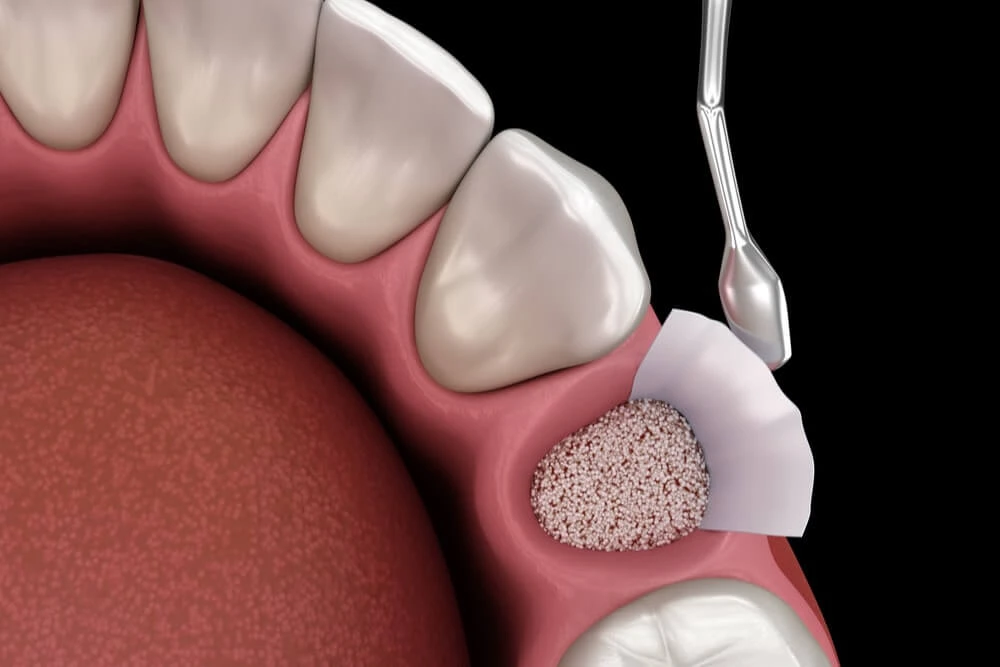
A bone powder graft, also known as bone grafting material, is a biocompatible substance used in various medical procedures such as dental implants and orthopedic surgeries. These grafts are utilized to compensate for bone loss or to promote new bone growth, making them a popular choice in dentistry and orthopedics.

Applications and Benefits
  1. Dentistry and Implantology:
    • To provide sufficient bone volume before dental implants.
    • To regenerate bone tissue lost due to periodontal disease.
    • To prevent and correct jawbone atrophy.
  2. Orthopedic Surgery:
    • To accelerate the healing of fractured bones.
    • To correct bone defects and deformities.
    • To support spinal fusion surgeries.
  3. Cosmetic Surgery:
    • For reshaping facial bones.
    • For chin and cheekbone implants.

Types of Bone Powder Grafts

  1. Autogenous Grafts: Bone tissue taken from the patient’s own body.
  2. Allogenic Grafts: Bone tissue taken from another human donor.
  3. Xenogenic Grafts: Bone tissue derived from animals, usually bovine or porcine.
  4. Synthetic Grafts: Biocompatible materials produced in a laboratory.

Teeth Cleaning

Comprehensive Guide to Teeth Cleaning and Aesthetic Dentistry

Maintaining optimal oral hygiene involves more than just brushing and flossing; it extends to professional teeth cleaning and aesthetic dentistry. These practices not only ensure dental health but also enhance the aesthetic appearance of your smile. Let’s delve into the various aspects of teeth cleaning and its role in dental aesthetics.

Importance of Teeth Cleaning

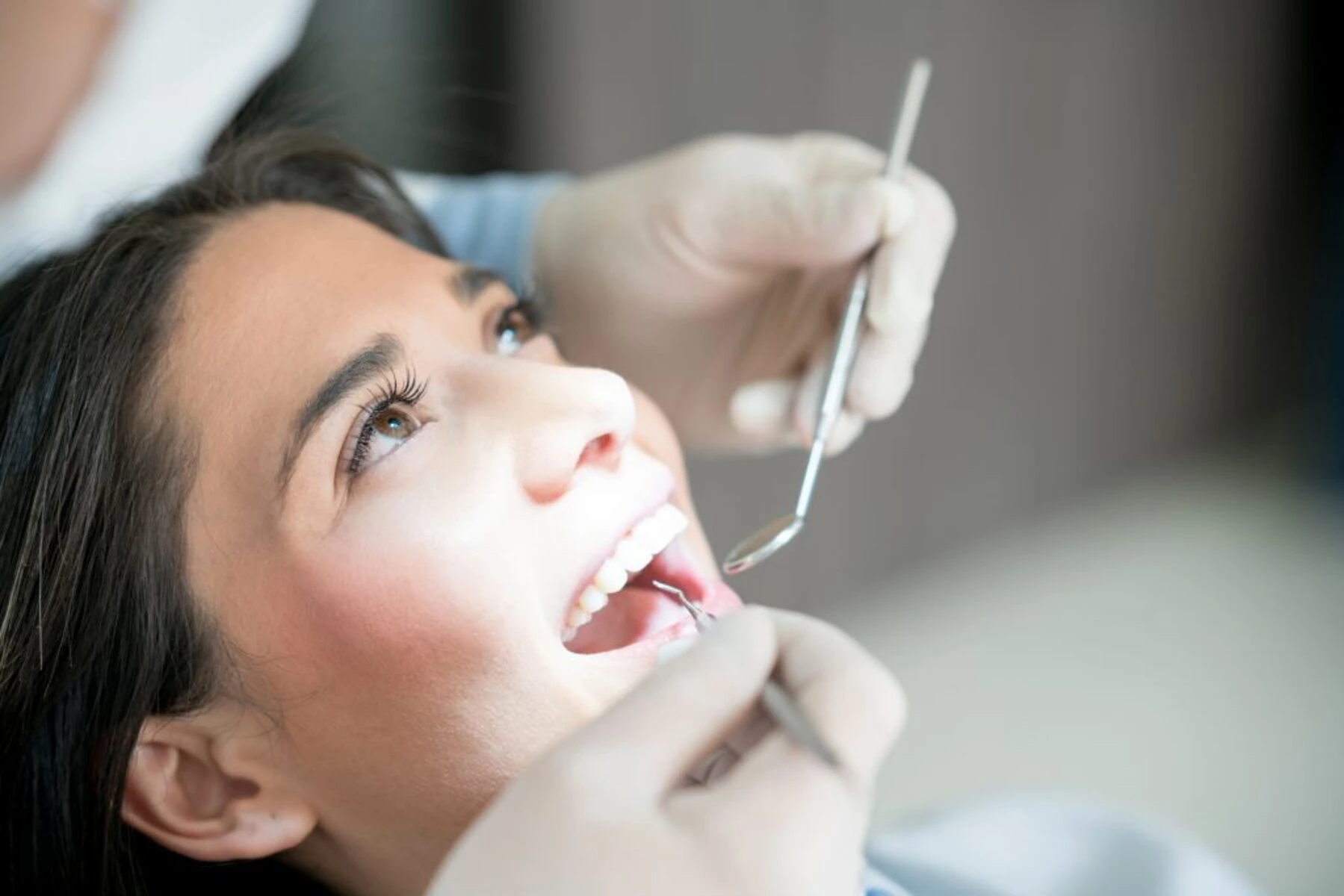
Teeth cleaning is pivotal in preventing dental plaque and tartar buildup, which can lead to cavities and gum disease if left unchecked. Through regular dental cleanings, performed by oral hygienists or dentists, plaque and tartar are meticulously removed from the teeth and gum line. This process not only promotes oral health but also prepares the foundation for aesthetic treatments like whitening and smile design.

Procedures in Aesthetic Dentistry

Esthetic Dental Cleaning

Esthetic dental cleaning focuses on not only cleaning but also enhancing the appearance of teeth. It involves thorough removal of surface stains and plaque using advanced tools and techniques. This procedure sets the stage for subsequent aesthetic treatments.

Teeth Whitening

Teeth whitening is a popular aesthetic dental procedure aimed at brightening the natural color of teeth. It can significantly enhance the smile aesthetics, making teeth appear lighter and more vibrant. Professional whitening treatments, such as bleaching, are safer and more effective than over-the-counter products.

Smile Design

Smile design integrates various cosmetic dental procedures to create a harmonious and attractive smile. It considers factors like tooth shape, alignment, and color to achieve optimal results. Techniques such as veneers and bonding are often used to reshape and enhance the appearance of teeth, contributing to a confident smile.

Protecting Tooth Enamel

Preserving tooth enamel (diş minesini koruma) is crucial during teeth cleaning and aesthetic treatments. Enamel is the outermost layer of the tooth, protecting it from decay and sensitivity. Gentle cleaning methods and fluoride treatments help maintain enamel integrity, ensuring long-term dental health.

Improving Tooth Color

Improving tooth color (diş rengi iyileştirme) is a primary goal of aesthetic dentistry. While teeth whitening addresses surface stains, other treatments like composite bonding and porcelain veneers can correct deeper discoloration and irregularities. These procedures are tailored to achieve a natural-looking, uniform tooth color that complements facial features.

Gastric Bypass

Understanding Gastric Bypass Surgery: A Comprehensive Guide

Gastric bypass surgery, a procedure of gastric bypass surgery often recommended for severe obesity, involves restructuring the digestive system to promote weight loss and manage related health issues. This surgical intervention is considered when other weight loss methods have not been effective or feasible.

Procedure of Gastric Bypass Surgery

The procedure of gastric bypass surgery begins with the surgeon creating a small pouch from the top of the stomach, which limits food intake. This pouch is then connected directly to the small intestine, bypassing a large portion of the stomach and the first section of the small intestine (duodenum).

By altering the digestive tract, gastric bypass modifies the body’s absorption of nutrients and reduces the amount of food the stomach can hold, aiding in substantial weight loss.

Advantages and Disadvantages of Gastric Bypass

Advantages of gastric bypass include significant and rapid weight loss, improvement or resolution of obesity-related health conditions such as diabetes and hypertension, and long-term success in maintaining weight loss for many patients.

However, there are disadvantages to gastric bypass as well. These can include risks associated with any major surgery, the need for lifelong dietary adjustments, potential nutrient deficiencies, and the possibility of complications like dumping syndrome.

Dietary and Lifestyle Changes After Gastric Bypass

Following gastric bypass surgery, dietary and lifestyle changes are crucial for successful outcomes. Patients typically progress from a liquid diet to soft foods and eventually to solid foods in smaller portions. It’s essential to focus on high-protein, low-fat foods to support healing and weight loss.

Lifestyle changes include regular physical activity and adherence to nutritional guidelines provided by healthcare professionals to maintain weight loss and prevent complications.

Platelet-Rich Plasma (PRP)

Platelet-Rich Plasma (PRP): Harnessing Your Body’s Healing Power

Platelet-Rich Plasma (PRP) therapy has garnered significant attention in recent years for its multifaceted applications in both aesthetic medicine and regenerative therapies. This innovative treatment leverages the regenerative potential of platelets to address a spectrum of conditions, ranging from skin rejuvenation and hair loss to wound healing and anti-aging treatments.

Understanding Platelet-Rich Plasma (PRP)

Platelet-Rich Plasma (PRP) is derived from the patient’s own blood through a process of centrifugation, which separates and concentrates platelets. These platelets contain high levels of growth factors and cytokines that play pivotal roles in tissue repair and regeneration. Once prepared, PRP is administered through targeted injections or topically applied to specific areas, facilitating a cascade of biological responses that promote healing and revitalization.

Applications of PRP in Aesthetic Treatments

Skin Rejuvenation

PRP therapy has emerged as a preferred option for individuals seeking natural methods to rejuvenate their skin. By stimulating collagen production and enhancing blood flow to the skin, PRP improves skin tone, texture, and elasticity. It effectively diminishes fine lines, wrinkles, and hyperpigmentation, resulting in a more youthful and radiant complexion.

Hair Loss Treatment

PRP’s efficacy in treating hair loss has made it a game-changer in non-surgical hair restoration techniques. When injected into the scalp, PRP promotes hair follicle growth by prolonging the anagen (growth) phase of hair follicles and increasing hair thickness and density. This approach is particularly beneficial for individuals experiencing early stages of hair thinning or as a complement to hair transplant procedures.

Medical Uses of PRP

Wound Healing

In medical settings, PRP accelerates wound healing processes by delivering concentrated growth factors directly to the site of injury. These growth factors stimulate cell proliferation, collagen production, and angiogenesis, which are essential for tissue repair. PRP has demonstrated efficacy in treating chronic wounds, surgical incisions, and ulcers, reducing healing time and minimizing scar formation.

Ear Surgery

Ear Surgery: Enhance Your Appearance and Confidence with Green Village Medical

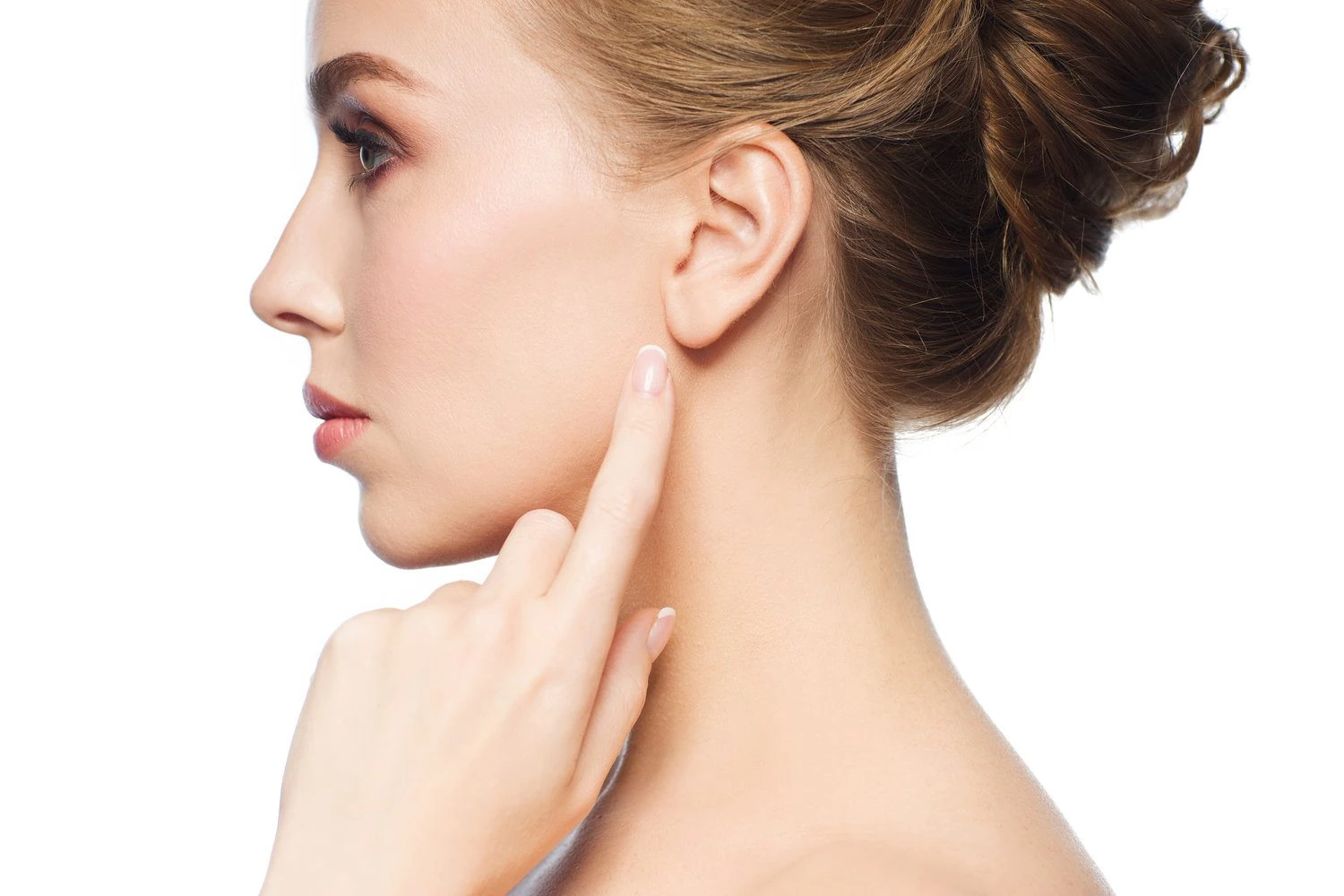
Ear surgery, also known as otoplasty or ear pinning, is a cosmetic procedure designed to reshape, reposition, or resize the ears for a more balanced and proportionate appearance. Whether addressing prominent ears, ear asymmetry, or other cosmetic concerns, Green Village Medical offers advanced ear surgery techniques to help patients achieve their aesthetic goals and boost their confidence. This comprehensive guide explores the benefits, procedure, and recovery process of ear surgery, providing you with the information needed to make an informed decision about enhancing your ear appearance.

Understanding Ear Surgery

What is Ear Surgery?

Ear surgery, or otoplasty, is a surgical procedure that focuses on correcting the size, shape, position, or proportion of the ears. It can address various concerns, including prominent ears, ear deformities, asymmetry, or dissatisfaction with the ear appearance. Ear surgery can be performed on both children and adults, with the goal of improving self-esteem and overall facial harmony.

Benefits of Ear Surgery

Ear surgery offers numerous benefits for individuals seeking to enhance their ear appearance, including:

  • Improved Proportion: Reshaping or repositioning the ears to achieve better balance and symmetry with the face.
  • Enhanced Confidence: Correcting ear abnormalities or prominent ears can boost self-esteem and reduce self-consciousness.
  • Youthful Appearance: Restoring a natural ear shape and contour can create a more youthful and harmonious facial aesthetic.
  • Versatility: Ear surgery can be tailored to address a wide range of cosmetic concerns, from minor adjustments to significant corrections.

Dermapen Microneedling

Dermapen Microneedling: Rejuvenate Your Skin with Advanced Treatment at Green Village Medical

Dermapen microneedling is a revolutionary skincare treatment that stimulates collagen production and promotes skin renewal, resulting in smoother, firmer, and more youthful-looking skin. At Green Village Medical, we offer advanced Dermapen microneedling procedures to address a range of skin concerns and help our patients achieve their skincare goals. This comprehensive guide explores the benefits, procedure, and outcomes of Dermapen microneedling, providing you with the information needed to make an informed decision about your skincare regimen.

Understanding Dermapen Microneedling

What is Dermapen Microneedling?

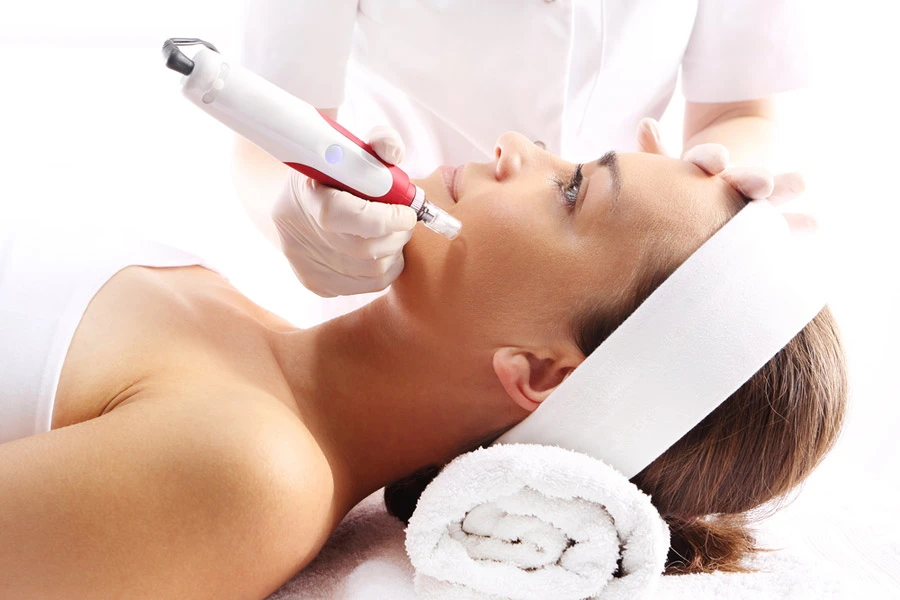
Dermapen microneedling is a minimally invasive cosmetic procedure that involves using a handheld device with fine needles to create controlled micro-injuries in the skin’s surface. These micro-injuries stimulate the body’s natural healing process, leading to increased collagen and elastin production, improved skin texture, and a reduction in the appearance of wrinkles, scars, and other imperfections.

Benefits of Dermapen Microneedling

Dermapen microneedling offers numerous benefits for the skin, including:

  • Collagen Production: Stimulates the production of collagen and elastin, essential proteins that maintain skin firmness and elasticity.
  • Improved Texture: Smooths out rough skin texture, reducing the appearance of fine lines, wrinkles, and acne scars.
  • Enhanced Absorption: Increases the absorption of skincare products, allowing for better penetration of active ingredients.
  • Minimally Invasive: Requires minimal downtime and is suitable for all skin types and tones.
  • Versatility: Can be customized to target specific skin concerns, including aging, pigmentation, and uneven skin tone.