Green Village Medical

Blog

Hair Transplant Aftercare: The First 10 Days – What to Do and Avoid

Hair Transplant Aftercare: The First 10 Days – What to Do and Avoid

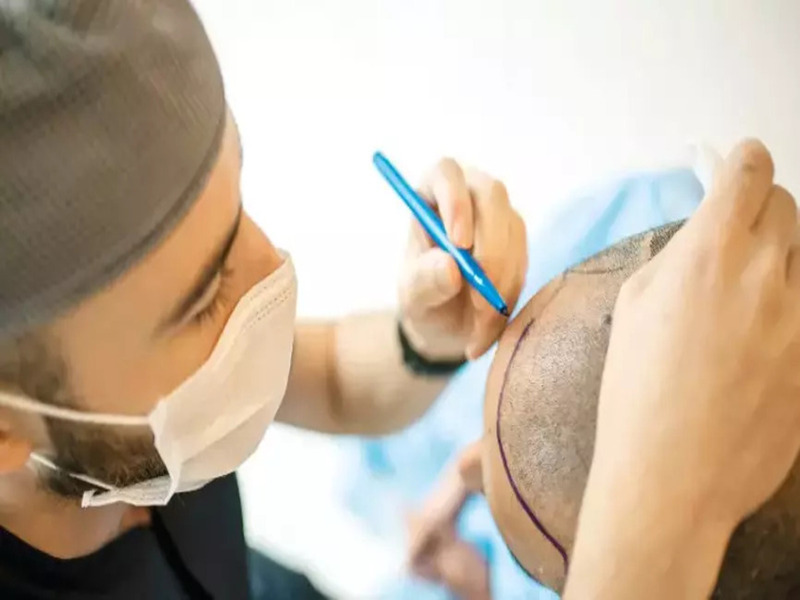
A hair transplant is a transformative journey that restores not only your hair but also your confidence. However, the success of the procedure relies heavily on how carefully you follow the post-operative care instructions. The first 10 days after surgery are the most crucial for ensuring that the transplanted follicles (grafts) settle securely and begin their growth cycle naturally.

At Green Village Medical, we guide every patient step-by-step, providing clear and comprehensive aftercare instructions to ensure the best possible results. In this guide, you’ll discover exactly what to do — and what to avoid — during this sensitive period.


Why the First 10 Days Are So Important

In the first 10 days, the newly implanted grafts are extremely delicate. Any trauma, friction, or infection can damage them, potentially compromising the final results. Proper care helps the follicles establish a strong foundation, leading to natural, long-lasting growth.

Your Main Goals During This Period:

  • Protect the transplanted area from any trauma or friction.
  • Keep the scalp clean and prevent infections.
  • Reduce swelling and discomfort.
  • Support healing with adequate sleep, nutrition, and hydration.

Day-by-Day Recovery Timeline

Day 1 – Surgery Day

Right after the procedure, you will leave the clinic with a protective dressing. It’s normal to experience some redness, swelling, or slight discomfort.

  • Rest completely and avoid sudden head movements.
  • Sleep with your head elevated at a 30–45° angle.
  • Do not touch or scratch the transplanted area.

Days 2–3 – Early Healing

Swelling might slightly increase during these days, especially on the forehead or around the eyes. This is a natural healing response.

  • Continue to sleep with your head elevated.
  • Take all prescribed medications on schedule.
  • Avoid direct sunlight and dirty environments.

Days 4–5 – First Gentle Wash

At this stage, you’ll have your first gentle wash, which is essential for removing dried blood and debris without harming the grafts.

  • Use only the shampoo recommended by Green Village Medical.
  • Gently pour lukewarm water over the scalp — never rub.
  • Pat dry with a soft towel.

Days 6–7 – Scab Formation

Small scabs will form around the grafts — this is completely normal. Do not pick or scratch them, as this can dislodge the grafts.

  • Continue gentle washing to help soften scabs.
  • Avoid wearing tight hats or helmets.
  • Do not engage in strenuous activities or exercise.

Days 8–10 – Stabilization Phase

By the end of the first 10 days, the grafts will begin to stabilize, and most scabs will naturally fall off.

  • Return to light daily activities but avoid any risk of scalp injury.
  • Continue avoiding sports, pools, and saunas.
  • Schedule a follow-up visit with your surgeon.

What You Should Do

  • Follow all aftercare instructions from your clinic.
  • Maintain proper scalp hygiene to prevent infections.
  • Drink plenty of water and eat a balanced, vitamin-rich diet.
  • Sleep on your back with your head elevated for at least 5 days.
  • Use only clinic-approved hair care products.

What You Should Avoid

  • Do not touch, rub, or scratch the transplanted area.
  • Avoid alcohol and smoking — they slow down the healing process.
  • Do not go to pools, saunas, or steam rooms.
  • Avoid heavy exercise or sports activities.
  • Stay away from direct sunlight exposure.

Understanding the Shedding Phase

Around weeks 2–4, you may notice that some of the transplanted hairs begin to shed. This is completely normal and part of the natural growth cycle. The follicles remain intact beneath the skin and will soon produce new, healthy hair.

  • Do not panic — shedding is temporary.
  • Continue gentle washing and scalp care.
  • Avoid styling products unless approved by your doctor.

Book Your Free Consultation Today

Ready to start your hair restoration journey? Contact Green Village Medical today for a personalized treatment plan and expert care.

Book Your Consultation

Follow us on Instagram: @greenvillagemedical
Common Aesthetic Mistakes and How to Avoid Them

Common Mistakes in Cosmetic Procedures & How to Avoid Them

Cosmetic treatments are more popular than ever, thanks to modern technology, skilled surgeons, and the desire for enhanced self-confidence. However, achieving the best results requires more than just booking a procedure—it also involves preparation, education, and careful decision-making.

Here are some of the most common mistakes people make when undergoing aesthetic procedures and how to avoid them:

1. Setting Unrealistic Expectations

One of the biggest mistakes is expecting immediate perfection or complete transformation. Cosmetic procedures are designed to enhance your natural beauty, not create an entirely new face or body. Patients who go into surgery thinking they will look like a celebrity often end up disappointed.

💡 Tip: Always ask your doctor to show you realistic before & after photos of previous patients. Have an open discussion about what can and cannot be achieved with your specific anatomy.

2. Choosing the Wrong Provider Based on Price

Choosing a clinic solely based on low prices is risky. Unlicensed clinics or inexperienced practitioners may offer attractive deals but compromise on hygiene, safety, and technique.

💡 Tip: Make sure your clinic is licensed, the surgeon is board-certified, and the facility meets international health standards. When it comes to your body, safety should always come before savings.

3. Following Trends Instead of Personal Needs

Social media trends like “fox eyes,” “Russian lips,” or ultra-high BBLs may not suit everyone. What looks good on someone else might not be right for your face or body proportions.

💡 Tip: Focus on what works best for your unique features. A personalized approach always delivers more natural and satisfying results than following temporary trends.

4. Neglecting Pre- and Post-Procedure Instructions

Many patients skip vital steps like quitting smoking before surgery or taking prescribed antibiotics after it. Others return to work too early or ignore rest periods, affecting their recovery and results.

💡 Tip: Strictly follow all instructions given by your surgeon. Ask questions if anything is unclear. Remember: Recovery is just as important as the procedure itself.

5. Overdoing or Repeating Procedures Too Soon

Repeating fillers or Botox too frequently, or combining too many treatments at once, can lead to unnatural results. Patience is key—your body needs time to heal and adapt.

💡 Tip: Schedule touch-ups only when truly necessary and based on professional advice. Give your body time to show results before seeking more interventions.

6. Relying Solely on Online Images or Influencers

Heavily edited photos and influencer promotions can be misleading. What looks perfect online might not reflect real, long-term outcomes.

💡 Tip: Use online content for inspiration—not as your only research source. Look for verified reviews, clinic accreditations, and direct consultations before making any decision.

7. Ignoring Overall Health and Lifestyle

Aesthetic results are influenced by your lifestyle. Poor diet, smoking, lack of sleep, and dehydration can slow recovery and worsen results.

💡 Tip: Maintain a healthy lifestyle before and after your procedure. Good skin care, proper nutrition, and regular hydration significantly improve healing and outcomes.

Conclusion: Be Informed, Be Realistic, Be Safe

Undergoing an aesthetic procedure is a personal journey. Whether you’re planning a rhinoplasty, hair transplant, or smile makeover, your choices matter. By avoiding these common mistakes, you set yourself up for a smoother recovery, more natural results, and long-term satisfaction.

🌍 Thinking of having your procedure abroad? Always choose internationally accredited clinics with multilingual support and transparent communication—because trust and expertise matter most.

Post-Operative Period: What Should You Pay Attention to During Recovery?

Undergoing surgery is only one step in your journey toward better health or aesthetic improvement — the recovery period is just as important. A smooth healing process not only speeds up your results but also helps prevent complications. Here’s what you should keep in mind during your post-operative recovery phase:

🛏️ 1. Prioritize Rest

Your body needs time to repair. Especially in the first few days after surgery, avoid excessive movement or any physical activity that could strain your body. Follow your doctor’s instructions regarding how long you should rest and when you can gradually return to daily life.

🍲 2. Maintain a Nutritious Diet

A well-balanced diet plays a vital role in the healing process. Choose protein-rich meals, fruits, vegetables, and plenty of water. Avoid processed foods, sugar, and caffeine — these can slow down tissue repair and increase inflammation.

💊 3. Use Medications as Prescribed

Do not skip or change any medications without your doctor’s approval. Antibiotics, painkillers, or anti-inflammatories are prescribed for a reason. Follow the dosage and timing exactly as instructed.

🧼 4. Take Care of the Surgical Area

Keep the wound clean and dry unless otherwise directed. Avoid touching it with unwashed hands and watch for signs of infection (redness, swelling, unusual discharge). Attend all follow-up appointments so your doctor can monitor the healing progress.

🚫 5. Avoid Smoking and Alcohol

Nicotine restricts blood flow and significantly delays tissue regeneration. Alcohol can interact with medications and weaken your immune system. Avoid both until your doctor gives the green light.

🧠 6. Listen to Your Body

Fatigue, discomfort, or unusual symptoms are your body’s way of signaling that something may be wrong. Don’t ignore pain, fever, or shortness of breath — contact your healthcare provider immediately if anything feels off.

📅 7. Follow-Up is Key

Never skip your post-op checkups. These appointments allow your doctor to assess healing, remove stitches if necessary, and offer guidance for the next steps.

✅ Final Thoughts:

The way you take care of yourself after surgery has a direct impact on how well and how quickly you recover. Be patient, follow your care team’s advice, and give your body the support it needs. Recovery is not just a phase — it’s a part of your overall treatment success.


Celebrity Transformations Through Aesthetic Touches: The Reality Behind the Beauty

Celebrity Transformations Through Aesthetic Touches

In today’s world, aesthetic procedures have become a key part of public image and self-confidence — especially for celebrities constantly under the spotlight. These transformations are not just about beauty, but about identity, influence, and longevity. Let's explore how some of the world's most famous faces have evolved through subtle yet powerful enhancements.

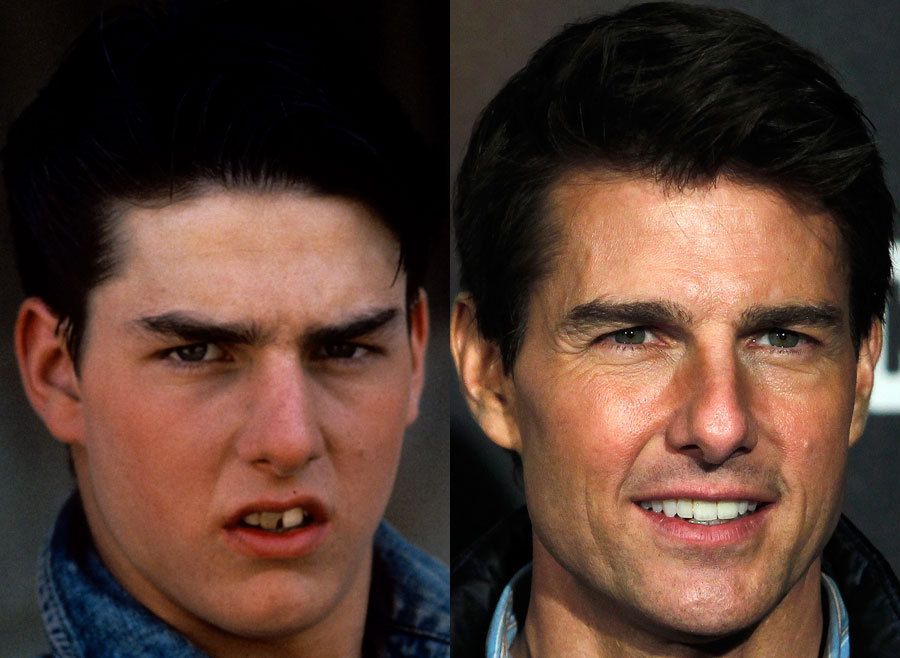
Tom Cruise

Tom Cruise

Tom Cruise’s transformation over the decades is a perfect example of how aesthetic enhancements can complement natural aging without overshadowing personal identity. Once known for his boyish charm, Cruise has transitioned into a mature leading man with remarkable grace. Experts suggest subtle yet effective procedures such as a lower face-lift, blepharoplasty (eyelid tightening), and possible skin resurfacing to reduce the signs of aging. These changes, paired with dental restoration and jawline sculpting, help maintain a defined facial structure and youthful vitality. His appearance continues to reflect vitality, masculinity, and on-screen charisma — making him not just an actor but a global icon of age-defying elegance.

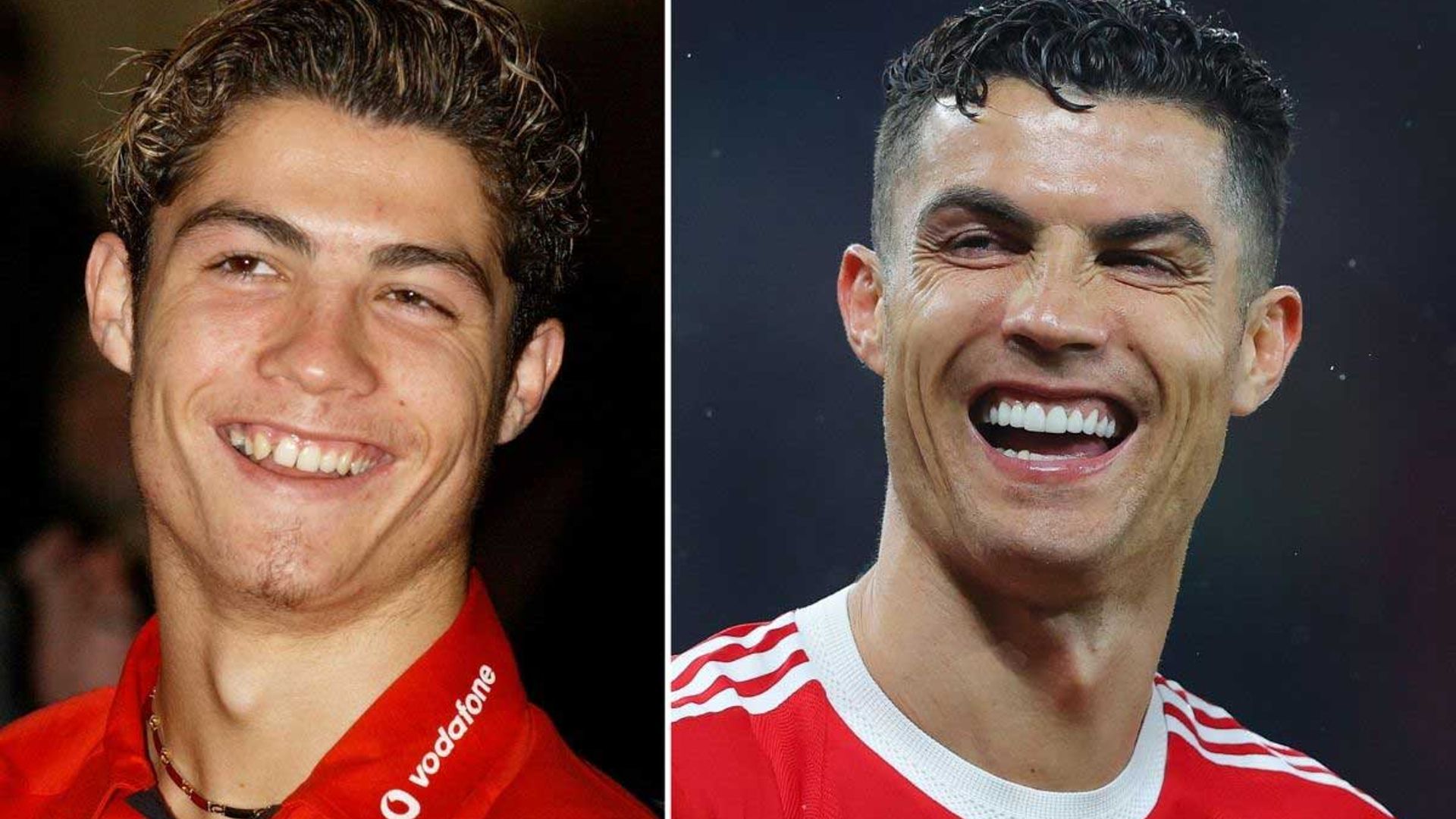
Cristiano Ronaldo

Cristiano Ronaldo

Cristiano Ronaldo’s visual evolution is as impressive as his athletic journey. Earlier in his career, Ronaldo’s facial features were more unrefined — featuring irregular teeth, a prominent nose bridge, and teenage skin imperfections. Over time, his smile has been perfected through orthodontic alignments and porcelain veneers, dramatically enhancing facial harmony. In addition, his skin texture appears refined, likely with the help of laser treatments, microneedling, or PRP therapy. Some aesthetic experts also point to a possible rhinoplasty, improving nasal shape and symmetry. These enhancements have elevated Ronaldo’s public image from sports star to fashion and lifestyle icon, highlighting the powerful intersection of aesthetics and branding.

Tarkan

Tarkan

Tarkan, the prince of Turkish pop, has maintained his visual appeal for over two decades through careful and tasteful aesthetic decisions. His earlier features — including a slightly angular nose and fuller facial volume — have given way to a more refined look. Likely through rhinoplasty, mid-face rejuvenation, and jawline contouring, he has gained a sculpted and youthful appearance that aligns with modern beauty standards. His glowing skin suggests regular dermatological care such as fractional laser, collagen stimulation, and hydration-based treatments. Unlike more radical celebrity transformations, Tarkan’s approach is a masterclass in balance — where enhancements are subtle, identity is preserved, and star power only grows.

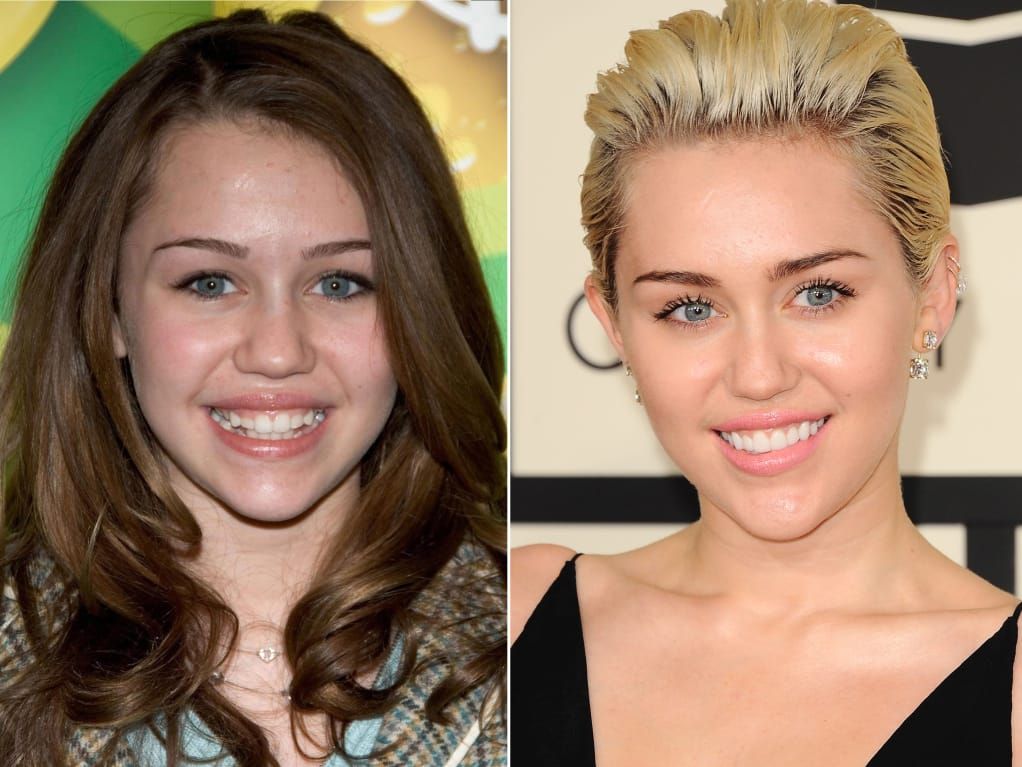
Miley Cyrus

Miley Cyrus

Known for her rebellious spirit and bold image reinventions, Miley Cyrus represents a modern icon of transformation. As she matured from a Disney star into a powerful musical voice, her facial features also evolved. Earlier signs of asymmetry and volume fluctuation have been replaced with a more polished and structured look. Aesthetic analysts speculate the use of subtle rhinoplasty, lip contouring, and filler-based volume enhancement in the cheeks and under-eye region. Combined with resurfacing treatments to smooth skin texture and boost radiance, Miley’s face now expresses both confidence and charisma. She proves that aesthetics can be used not to conform, but to strengthen individuality and visual presence.

Ebru Gündeş

Ebru Gündeş

Ebru Gündeş is a long-standing symbol of elegance and strength in Turkish music. Over the years, her appearance has gradually shifted from youthful softness to refined sophistication — a transition many women seek to emulate. Her balanced and proportionate facial structure suggests the use of well-planned aesthetic procedures such as cheekbone fillers, botulinum toxin for fine lines, and possibly a mini facelift to restore definition to the lower face. Her luminous skin tone and smooth forehead reflect dedicated skin care and likely include mesotherapy, collagen treatments, or energy-based devices like HIFU. Rather than chasing drastic change, Gündeş embraces controlled evolution — allowing her beauty to age with confidence and dignity.

Book Your Personalized Consultation

Interested in how modern aesthetics can refresh your look without losing your natural charm? Our experts at Green Village Medical are here to guide you.

Book Your Consultation

My Smile Makeover Journey at Green Village Medical

My Smile Makeover Journey at Green Village Medical

My name is Asli, I’m 34 years old, and for the first time in years, I’m smiling with confidence. For a long time, I avoided mirrors, photos, and even laughing freely due to the color and shape of my teeth. Everything changed the day I walked into Green Village Medical.

Initial Consultation

I booked an appointment after a friend’s recommendation. During my first consultation, the dental specialist created a personalized treatment plan. It included:

  • Professional teeth cleaning
  • Advanced whitening treatment
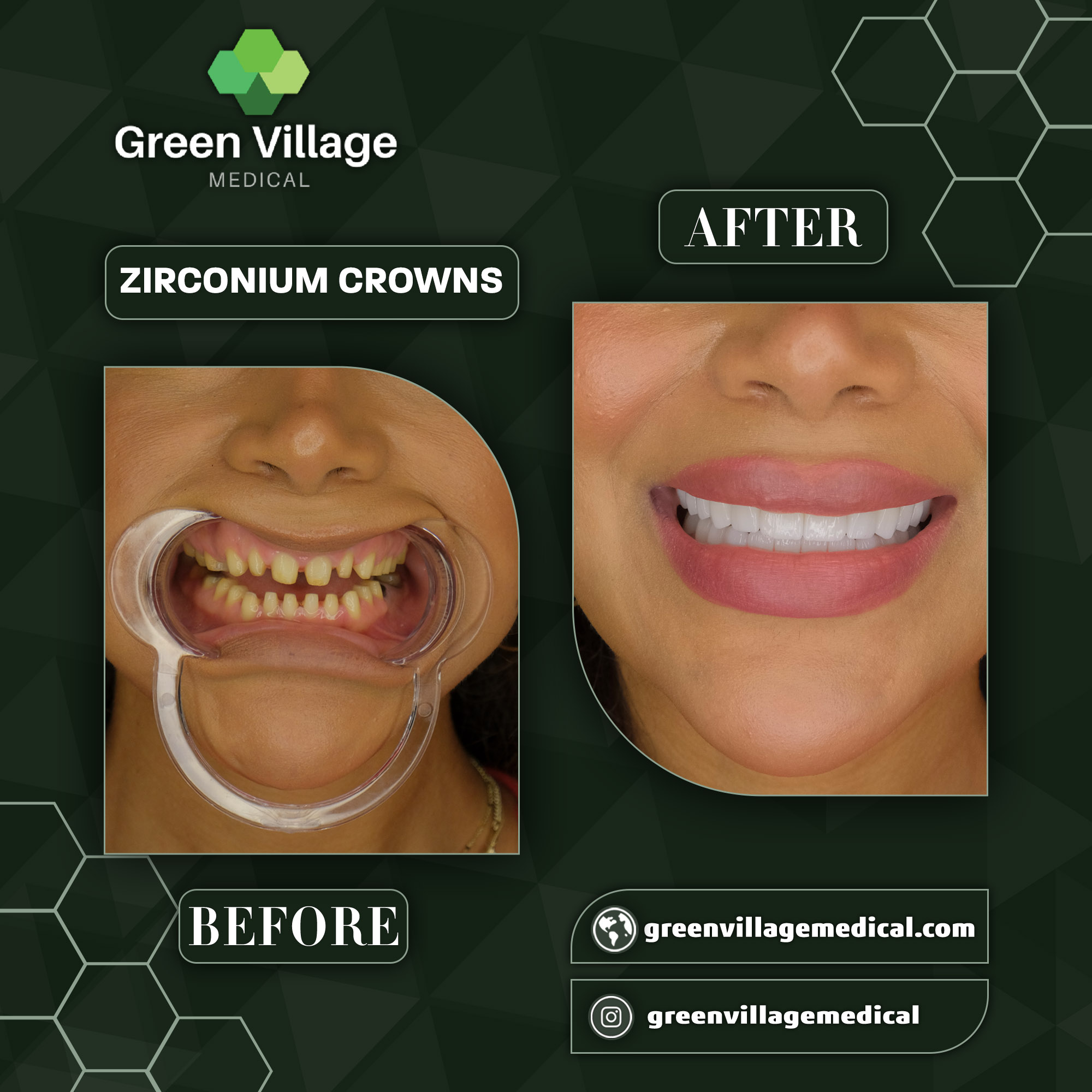
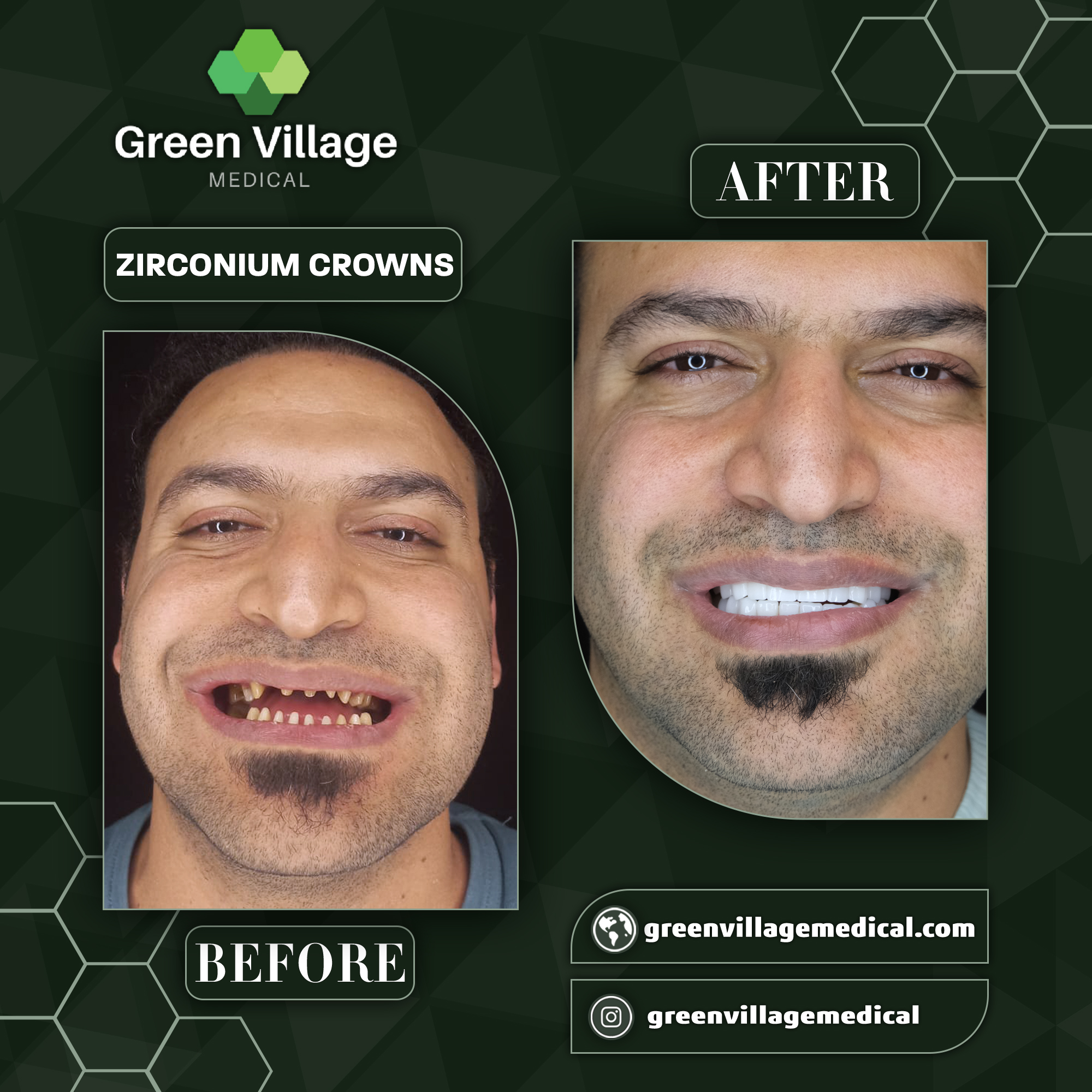
  • Zirconium crowns for the front six teeth

The Procedure

Each step was painless and smooth. The clinic was modern, hygienic, and the team made me feel truly cared for. Even after the first whitening session, I saw a noticeable change. But the final look after placing the zirconium crowns was beyond what I imagined.

Before & After

Before:

  • Yellowish, uneven teeth
  • Hiding my smile in photos
  • Low self-confidence in social settings

After:

  • Bright, symmetrical zirconium crowns
  • Smiling without hesitation
  • Increased self-esteem and joy

Zirconium Crowns

Zirconium Crowns Before After

Zirconium Crowns (Case 2)

Zirconium Crowns Before After 2

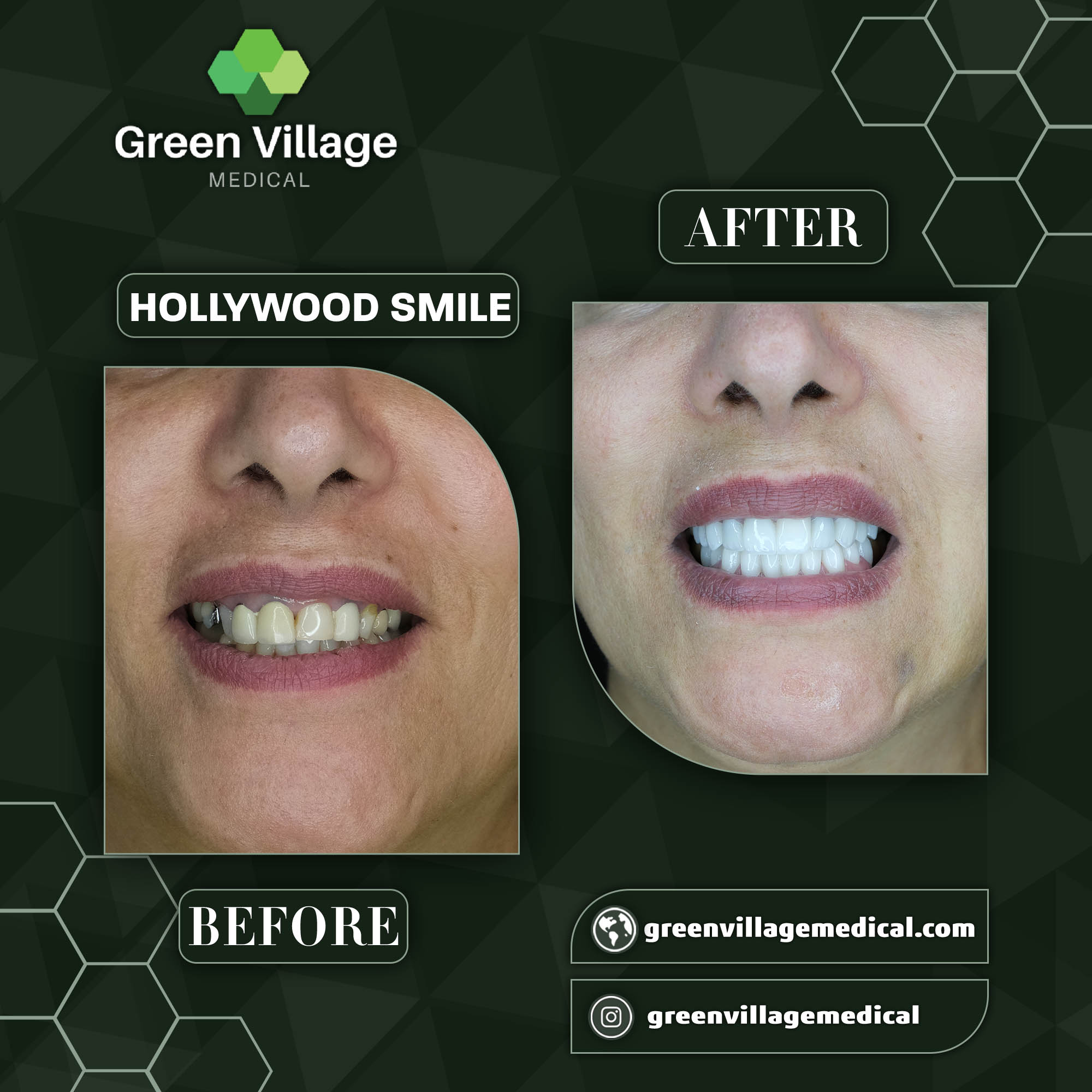
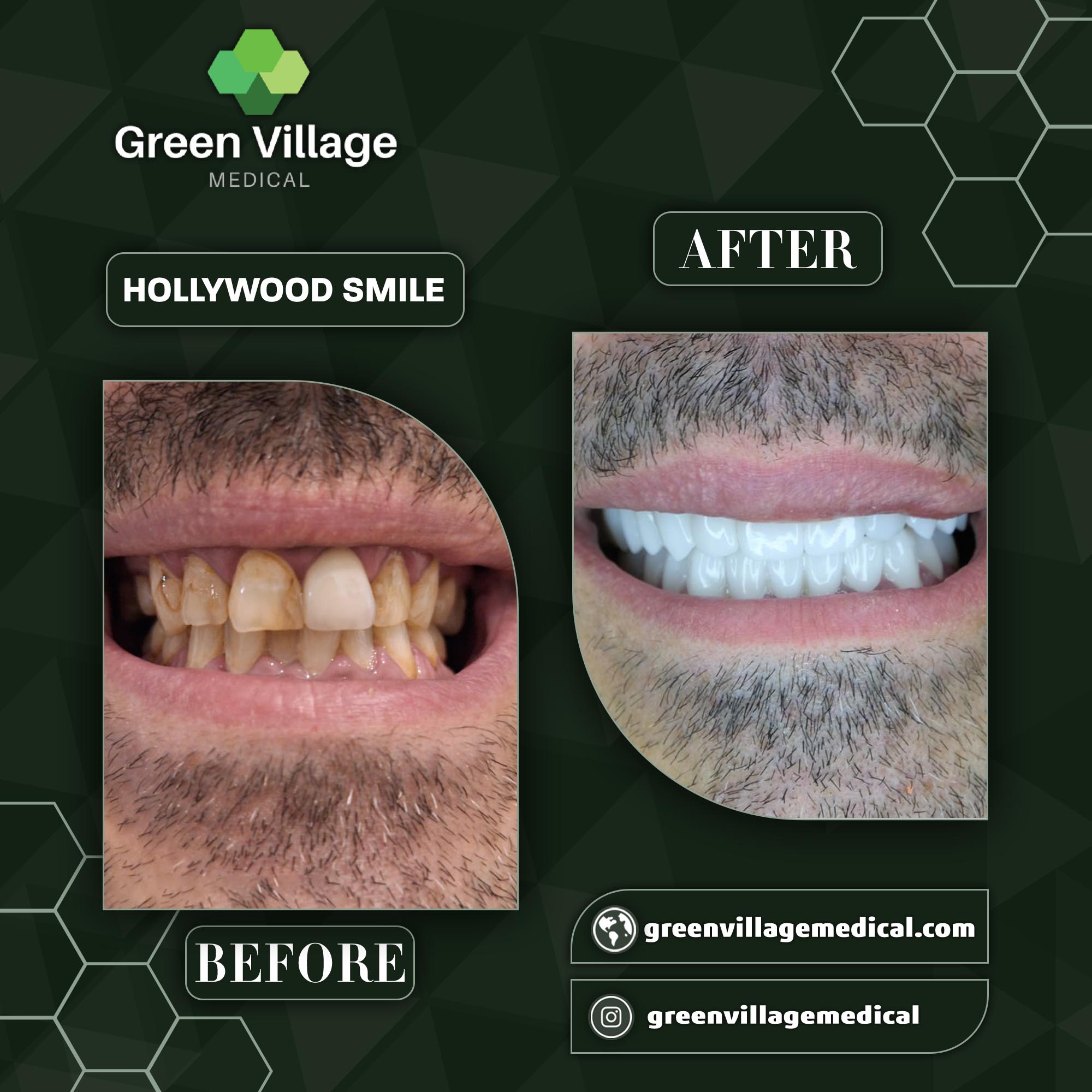
Hollywood Smile

Hollywood Smile Before After

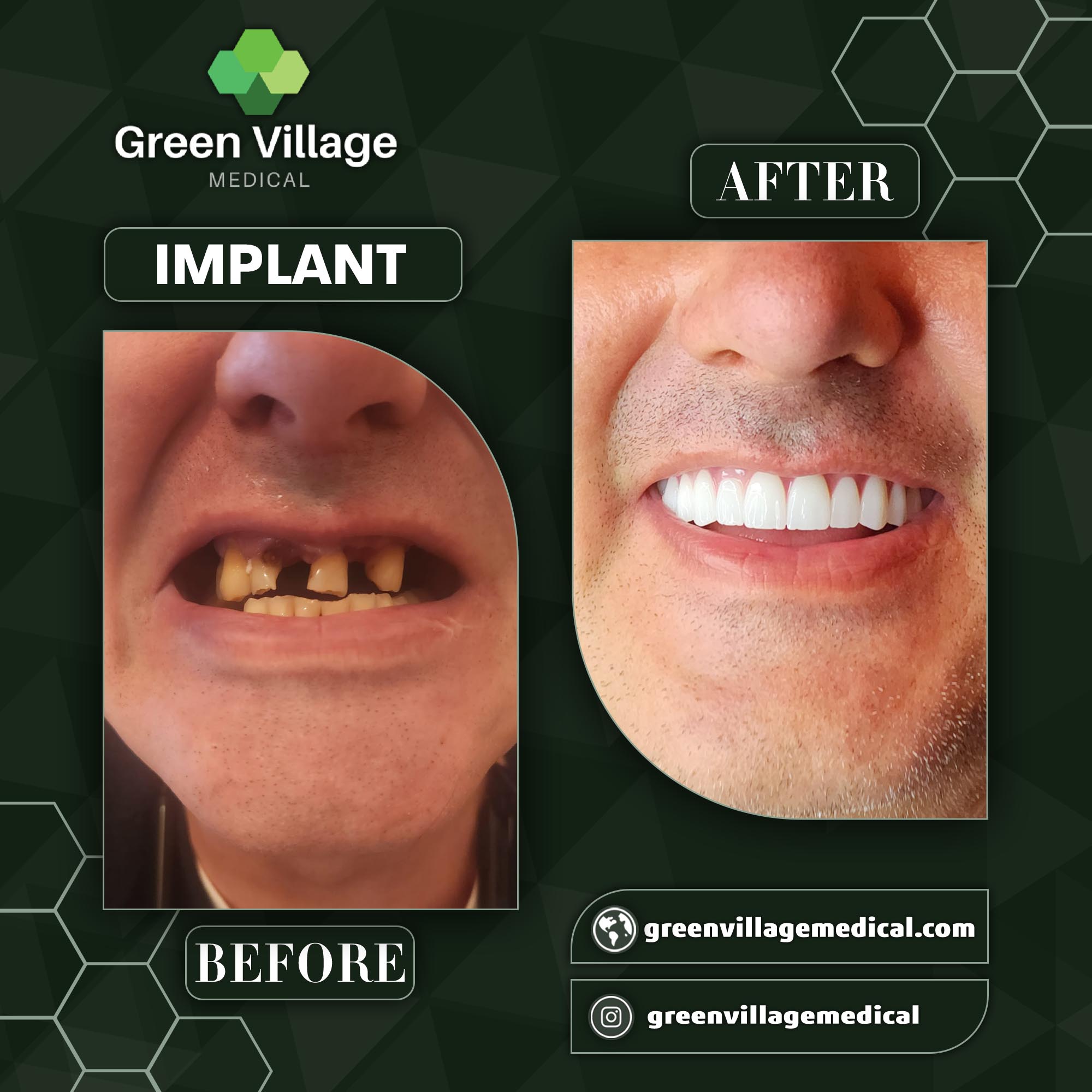
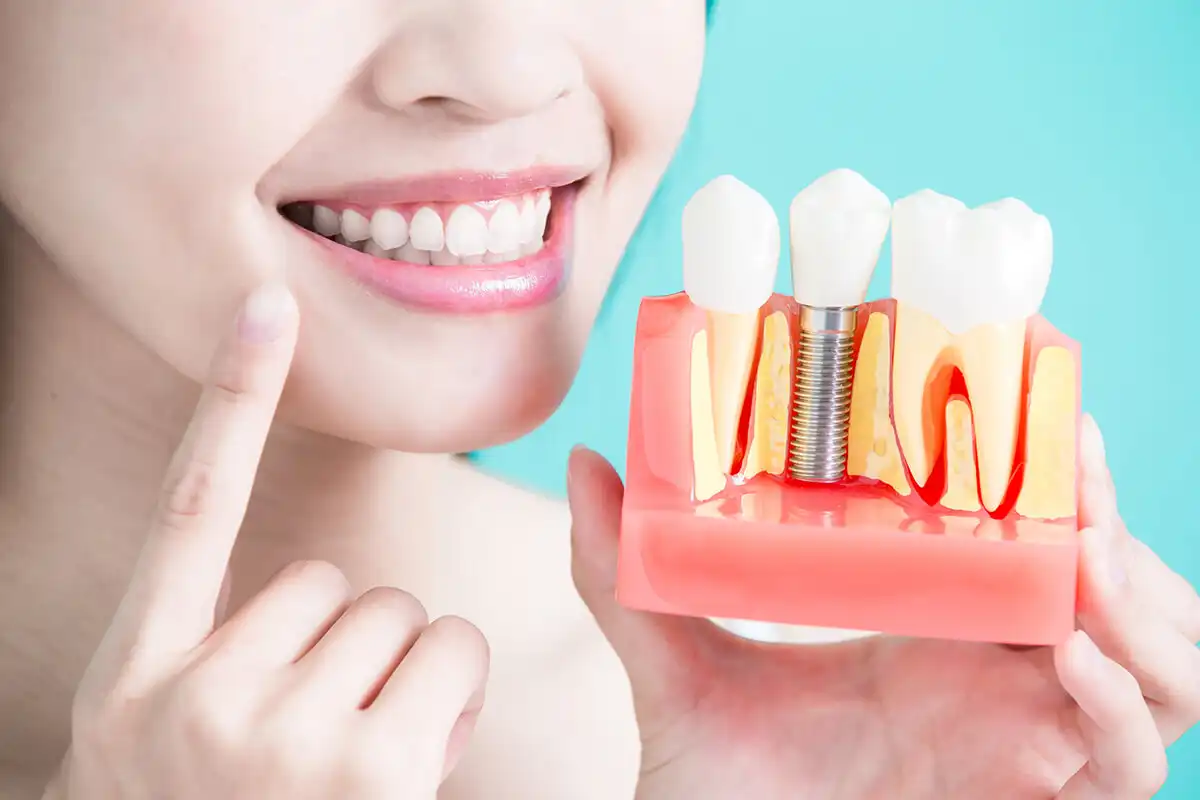
Dental Implant - Case 1

Implant Before After 1

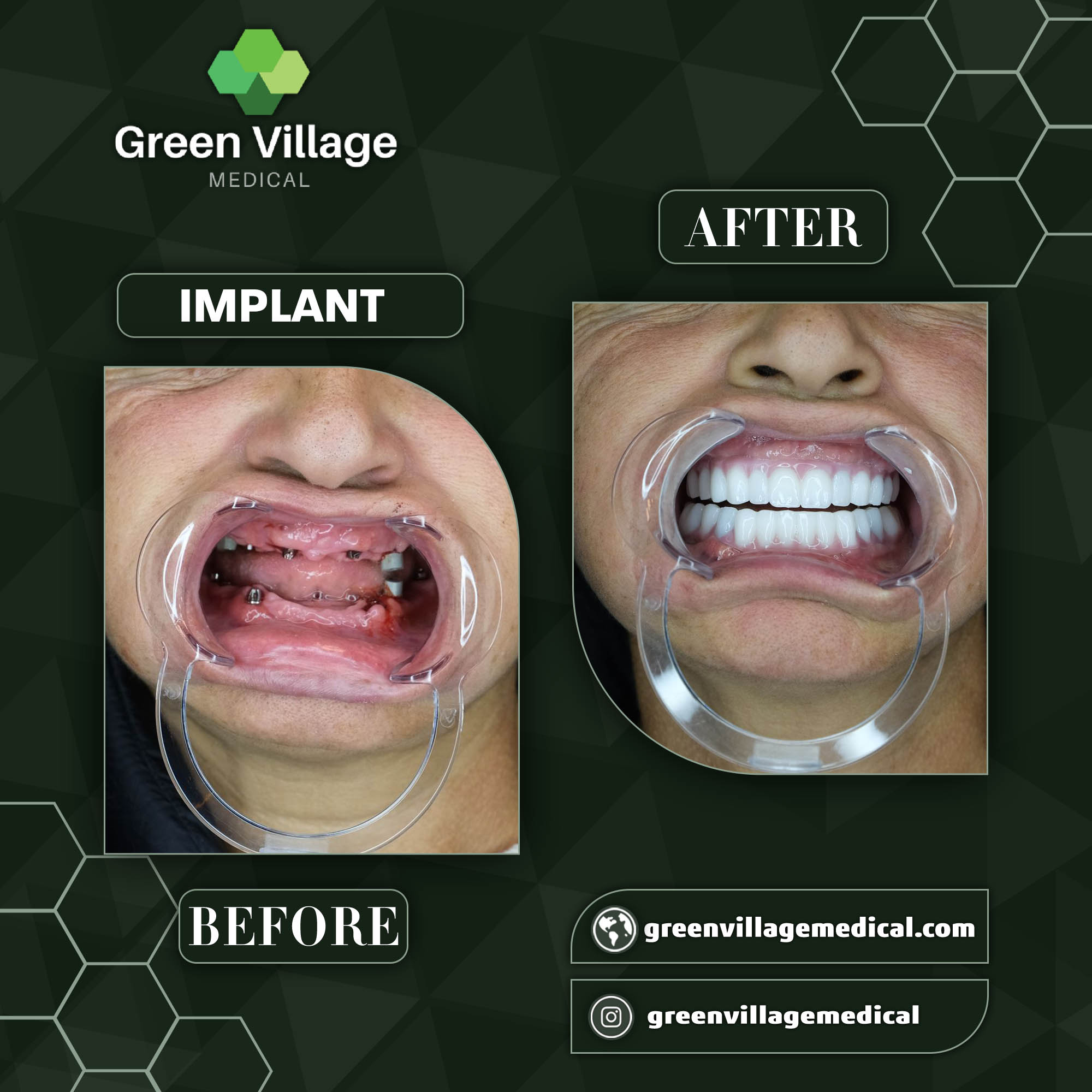
Dental Implant - Case 2

Implant Before After 2

Digital Smile Design

Digital Smile Design Before After

Final Thoughts

I never imagined that a dental treatment could have such a deep impact on my life. But it did. I now smile confidently in every photo, laugh freely, and feel better than ever. If you’re considering a dental transformation, I wholeheartedly recommend Green Village Medical.

Stem Cell Treatment

Understanding Stem Cells

What are Stem Cells?
Stem cells are undifferentiated cells with the remarkable ability to develop into various cell types within the body.
They serve as the body’s raw materials, capable of replenishing other cells indefinitely through cell division.
Stem cells can be classified into embryonic stem cells, adult stem cells, and induced pluripotent stem cells, each with distinct characteristics and sources.
The Science Behind Stem Cell Treatment
Stem cell treatment harnesses the regenerative potential of these versatile cells to repair, replace, or regenerate damaged tissues and organs.
Through precise manipulation in laboratory settings, stem cells can be directed to differentiate into specific cell types required for therapeutic purposes.
This approach holds immense promise for treating a wide array of medical conditions, ranging from neurological disorders to degenerative diseases.

Applications of Stem Cell Treatment

Medical Marvels: Green Village Medical at the Forefront At Green Village Medical, we pioneer innovative applications of stem cell treatment, offering cutting-edge solutions tailored to individual patient needs.
Our multidisciplinary team of experts employs state-of-the-art techniques to harness the therapeutic potential of stem cells effectively.
From orthopedic injuries to autoimmune disorders, we explore the vast spectrum of conditions amenable to stem cell therapy, striving to redefine the boundaries of modern medicine.
Orthopedic Regeneration: Healing from Within Green Village Medical specializes in orthopedic stem cell treatment, facilitating the regeneration of damaged cartilage, tendons, and ligaments.
By injecting stem cells directly into injured joints, we stimulate tissue repair mechanisms, promoting accelerated healing and improved function.
This minimally invasive approach offers an alternative to traditional surgical interventions, minimizing recovery times and optimizing outcomes.

  • Regular Dental Check-Ups:
    • Frequency: Visit your dentist every six months for a check-up and cleaning.
    • Benefits: Regular visits allow for early detection and treatment of dental issues, professional cleaning to remove tartar, and personalized advice on maintaining oral health.
  • Dental Cleanings:
    • Procedure: Professional cleanings remove plaque and tartar that regular brushing and flossing can’t reach. Your dentist or dental hygienist will use special tools to clean your teeth above and below the gumline.
  •  
  • Sealants:
    • Application: Dental sealants are thin, protective coatings applied to the chewing surfaces of back teeth (molars) to prevent cavities.
    • Benefits: Sealants protect against decay by sealing out food particles and bacteria.
  • Fluoride Treatments:
    • Application: Professional fluoride treatments involve applying a high concentration of fluoride to the teeth, typically in the form of a gel, foam, or varnish.
    • Benefits: Fluoride strengthens tooth enamel and helps prevent cavities.
  • Healthy Diet:
    • Recommendations: Consume a balanced diet rich in fruits, vegetables, lean proteins, and whole grains. Limit sugary snacks and drinks, as sugar feeds harmful bacteria that cause cavities.
    • Hydration: Drink plenty of water, especially after meals, to help wash away food particles and neutralize acids produced by bacteria in the mouth.
  • Avoid Tobacco Products:
    • Impact: Smoking and using other tobacco products can lead to gum disease, tooth loss, and oral cancer.
    • Recommendation: Seek support to quit tobacco use to improve oral and overall health.
  • Limit Alcohol Consumption:
    • Impact: Excessive alcohol consumption can increase the risk of oral cancer and negatively affect oral hygiene.
    • Recommendation: Drink alcohol in moderation and maintain good oral hygiene.
  •  
  • Children’s Oral Care:
    • Start Early: Begin cleaning your child’s mouth even before teeth appear by wiping the gums with a soft, damp cloth. Once teeth emerge, use a small, soft-bristle toothbrush and a rice-sized amount of fluoride toothpaste.
    • Supervision: Supervise children’s brushing until they are around 7-8 years old to ensure they use the right amount of toothpaste and brush effectively.
  • Senior Oral Care:
    • Challenges: Seniors may face unique oral health challenges such as dry mouth, root decay, and tooth loss.
    • Solutions: Maintain regular dental visits, use fluoride toothpaste and mouthwash, stay hydrated, and consider using an electric toothbrush for easier cleaning.
  •  
  • Tooth Decay (Cavities):
    • Prevention: Maintain good oral hygiene, limit sugary foods and drinks, use fluoride products, and get regular dental check-ups.
  • Gum Disease (Periodontal Disease):
    • Prevention: Brush and floss daily, use antimicrobial mouthwash, avoid tobacco, and visit your dentist regularly for cleanings.
  • Tooth Sensitivity:
    • Prevention: Use toothpaste designed for sensitive teeth, avoid acidic foods and drinks, and maintain good oral hygiene.
  • Bad Breath (Halitosis):
    • Prevention: Brush and floss daily, clean your tongue, stay hydrated, avoid foods that cause bad breath, and visit your dentist regularly.
  •  

Oral and Dental Care

Oral and Dental Care: A Comprehensive Guide by Green Village Medical

Importance of Oral and Dental Care

Maintaining good oral and dental care is crucial for overall health and well-being. Healthy teeth and gums not only contribute to a beautiful smile but also prevent various dental problems such as tooth decay, gum disease, and bad breath. Additionally, poor oral health can be linked to serious health issues such as heart disease, diabetes, and respiratory infections.

Daily Oral Hygiene Routine

  1. Brushing:
    • Frequency: Brush at least twice a day, preferably in the morning and before bedtime.
    • Technique: Use a soft-bristle toothbrush and fluoride toothpaste. Brush for at least two minutes, ensuring you cover all surfaces of your teeth – the front, back, and chewing surfaces. Hold the toothbrush at a 45-degree angle to your gums and use gentle, circular motions.
  2. Flossing:
    • Frequency: Floss at least once a day to remove plaque and food particles between teeth and under the gumline.
    • Technique: Use about 18 inches of floss, winding most of it around each middle finger, leaving about 1-2 inches to work with. Gently slide the floss between your teeth, curve it into a C shape against the side of each tooth, and move it up and down.
  3. Mouthwash:
    • Frequency: Use an antimicrobial or fluoride mouthwash once or twice a day.
    • Benefits: Mouthwash can help reduce plaque, fight gum disease, and freshen breath. It also provides an additional layer of protection against cavities.
  • Regular Dental Check-Ups:
    • Frequency: Visit your dentist every six months for a check-up and cleaning.
    • Benefits: Regular visits allow for early detection and treatment of dental issues, professional cleaning to remove tartar, and personalized advice on maintaining oral health.
  • Dental Cleanings:
    • Procedure: Professional cleanings remove plaque and tartar that regular brushing and flossing can’t reach. Your dentist or dental hygienist will use special tools to clean your teeth above and below the gumline.
  •  
  • Sealants:
    • Application: Dental sealants are thin, protective coatings applied to the chewing surfaces of back teeth (molars) to prevent cavities.
    • Benefits: Sealants protect against decay by sealing out food particles and bacteria.
  • Fluoride Treatments:
    • Application: Professional fluoride treatments involve applying a high concentration of fluoride to the teeth, typically in the form of a gel, foam, or varnish.
    • Benefits: Fluoride strengthens tooth enamel and helps prevent cavities.
  • Healthy Diet:
    • Recommendations: Consume a balanced diet rich in fruits, vegetables, lean proteins, and whole grains. Limit sugary snacks and drinks, as sugar feeds harmful bacteria that cause cavities.
    • Hydration: Drink plenty of water, especially after meals, to help wash away food particles and neutralize acids produced by bacteria in the mouth.
  • Avoid Tobacco Products:
    • Impact: Smoking and using other tobacco products can lead to gum disease, tooth loss, and oral cancer.
    • Recommendation: Seek support to quit tobacco use to improve oral and overall health.
  • Limit Alcohol Consumption:
    • Impact: Excessive alcohol consumption can increase the risk of oral cancer and negatively affect oral hygiene.
    • Recommendation: Drink alcohol in moderation and maintain good oral hygiene.
  •  
  • Children’s Oral Care:
    • Start Early: Begin cleaning your child’s mouth even before teeth appear by wiping the gums with a soft, damp cloth. Once teeth emerge, use a small, soft-bristle toothbrush and a rice-sized amount of fluoride toothpaste.
    • Supervision: Supervise children’s brushing until they are around 7-8 years old to ensure they use the right amount of toothpaste and brush effectively.
  • Senior Oral Care:
    • Challenges: Seniors may face unique oral health challenges such as dry mouth, root decay, and tooth loss.
    • Solutions: Maintain regular dental visits, use fluoride toothpaste and mouthwash, stay hydrated, and consider using an electric toothbrush for easier cleaning.
  •  
  • Tooth Decay (Cavities):
    • Prevention: Maintain good oral hygiene, limit sugary foods and drinks, use fluoride products, and get regular dental check-ups.
  • Gum Disease (Periodontal Disease):
    • Prevention: Brush and floss daily, use antimicrobial mouthwash, avoid tobacco, and visit your dentist regularly for cleanings.
  • Tooth Sensitivity:
    • Prevention: Use toothpaste designed for sensitive teeth, avoid acidic foods and drinks, and maintain good oral hygiene.
  • Bad Breath (Halitosis):
    • Prevention: Brush and floss daily, clean your tongue, stay hydrated, avoid foods that cause bad breath, and visit your dentist regularly.
  •  

Total Teeth Prosthesis

Total Teeth Prosthesis: A Comprehensive Guide

Total teeth prosthesis, commonly known as full dentures, are removable dental appliances used to replace an entire arch of missing teeth. These prostheses are designed to restore the function and appearance of natural teeth, allowing patients to chew, speak, and smile confidently.

Types of temporary Total Teeth Prosthesis

Conventional Full Dentures:
Made after the remaining teeth have been removed and the gum tissue has healed, usually taking several months.
Fully removable and custom-fitted to the patient’s mouth.
Immediate Full Dentures:
Inserted immediately after the removal of the remaining teeth.
Allow patients to have teeth during the healing process but may require adjustments as the gums and bone heal.
Implant-Supported Full Dentures:
Attached to dental implants surgically placed in the jawbone.
Offer greater stability and comfort compared to conventional dentures.

Benefits of Total Teeth Prosthesis

Restored Functionality: Enables normal chewing and speaking abilities.
Improved Appearance: Supports facial muscles, giving a natural look and preventing the sunken appearance caused by missing teeth.
Enhanced Confidence: Helps improve self-esteem by restoring a complete and attractive smile.
Removability: Easy to clean and maintain due to their removable nature.

  1. Initial Consultation:
    • A thorough examination of the mouth, including X-rays and impressions, to assess the condition of the jawbone and gum tissue.
    • Discussion of patient’s needs and preferences.
  2. Teeth Extraction (if necessary):
    • Removal of any remaining teeth to prepare the mouth for the prosthesis.
    • Healing time may vary, and temporary dentures may be provided.
  3. Impressions and Measurements:
    • Taking detailed impressions of the mouth to create custom-fitted dentures.
    • Measuring the bite and alignment to ensure proper fit and comfort.
  4. Fabrication:
    • Dentures are crafted in a dental laboratory based on the impressions and measurements.
    • Typically made from acrylic resin and other biocompatible materials.
  5. Fitting and Adjustments:
    • Initial fitting to check the comfort, fit, and appearance of the dentures.
    • Necessary adjustments are made to ensure proper alignment and comfort.
    • Instructions on care and maintenance are provided.
  • Cleaning:
    • Remove and rinse dentures after eating to remove food particles.
    • Brush dentures daily with a soft-bristle brush and denture cleanser.
    • Soak dentures overnight in a denture-cleaning solution to keep them moist and maintain their shape.
  • Oral Hygiene:
    • Brush your gums, tongue, and palate every morning before putting in the dentures to stimulate circulation and remove plaque.
  • Regular Check-Ups:
    • Visit your dentist regularly for check-ups and professional cleaning.
    • Periodic adjustments may be necessary to maintain the fit and comfort of the dentures.
  1. Sore Spots and Irritation:
    • May occur during the initial adjustment period.
    • Denture adhesives or adjustments by the dentist can alleviate discomfort.
  2. Difficulty Eating and Speaking:
    • Practice eating small bites of soft food and gradually introduce harder foods.
    • Practice speaking by reading aloud to get accustomed to the dentures.
  3. Slippage and Movement:
    • Use denture adhesives to improve stability.
    • If persistent, consult your dentist for possible adjustments or relining.

Tooth Extraction

What is Tooth Extraction

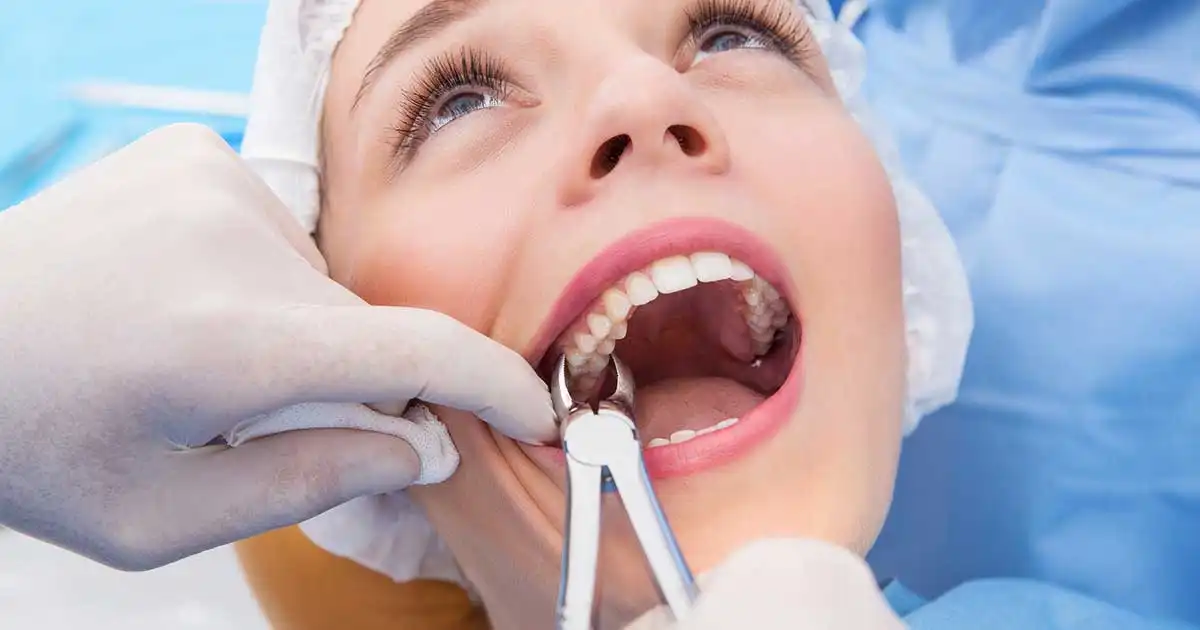
Tooth extraction is the process of removing a tooth from its socket in the jawbone. This procedure is commonly performed by dentists and oral surgeons for various reasons, including severe tooth decay, infection, crowding, and impacted teeth.

Reasons for Tooth Extractions

Severe Tooth Decay:
When tooth decay extends deep into the tooth and affects the pulp, extraction might be necessary if a root canal treatment is not feasible.
Gum Disease:
Advanced periodontal disease can cause teeth to become loose due to the destruction of the surrounding bone and gum tissue.
Impacted Teeth:
Wisdom teeth (third molars) often become impacted, meaning they do not fully emerge or grow at an angle, causing pain and potential infection.
Overcrowding:
In orthodontic treatments, teeth may be extracted to create space for proper alignment.
Infection:
An infection in the tooth that does not respond to antibiotics may require extraction to prevent it from spreading.
Trauma:
Teeth that are severely damaged due to trauma or injury may need to be removed.

Types of Tooth Extraction

Simple Extraction:

Performed on visible teeth under local anesthesia. The dentist loosens the tooth with an elevator and removes it with forceps.

Surgical Extraction:

Necessary for teeth that are not easily accessible, such as impacted wisdom teeth. This procedure may require local anesthesia and sedation. The dentist or oral surgeon makes an incision in the gum to access the tooth.

  1. Preparation:
    • A thorough examination, including X-rays, is conducted to assess the tooth’s position and condition.
    • The patient’s medical history is reviewed to ensure no underlying conditions affect the procedure.
  2. Anesthesia:
    • Local anesthesia is administered to numb the area around the tooth. For surgical extractions, sedation or general anesthesia may be used.
  3. Extraction:
    • In a simple extraction, the dentist uses an elevator to loosen the tooth and forceps to remove it.
    • In a surgical extraction, an incision is made in the gum, and the tooth may be broken into smaller pieces for easier removal.
  4. Post-Extraction Care:
    • Gauze is placed over the extraction site to control bleeding.
    • Instructions for home care, including pain management, oral hygiene, and dietary restrictions, are provided.
  • Bleeding:
    • Bite on gauze for 30-45 minutes to control bleeding. If bleeding persists, replace the gauze and continue to apply pressure.
  • Pain Management:
    • Over-the-counter pain relievers like ibuprofen or prescribed medications can help manage discomfort.
    • Apply ice packs to the outside of the cheek to reduce swelling.
  • Oral Hygiene:
    • Avoid rinsing, spitting, or using a straw for the first 24 hours to prevent dislodging the blood clot.
    • After 24 hours, rinse gently with warm salt water to keep the extraction site clean.
  • Diet:
    • Stick to soft foods such as yogurt, applesauce, and mashed potatoes for the first few days.
    • Avoid hot, spicy, or crunchy foods that could irritate the extraction site.
  • Activity:
    • Rest and avoid strenuous activities for the first 24 hours to minimize bleeding and swelling.
  • Dry Socket:
    • Occurs when the blood clot at the extraction site is dislodged, exposing the underlying bone and nerves. Symptoms include severe pain and an unpleasant odor. Contact your dentist if you suspect a dry socket.
  • Infection:
    • Signs include fever, increased pain, swelling, and pus discharge. If any of these symptoms occur, seek immediate medical attention.
  • Damage to Adjacent Teeth:
    • In rare cases, adjacent teeth, dental work, or the jawbone may be damaged during extraction.

Sapphire Hair Transplant

Sapphire Hair Transplant: A Comprehensive Guide by Green Village Medical

What is Sapphire Hair Transplant?

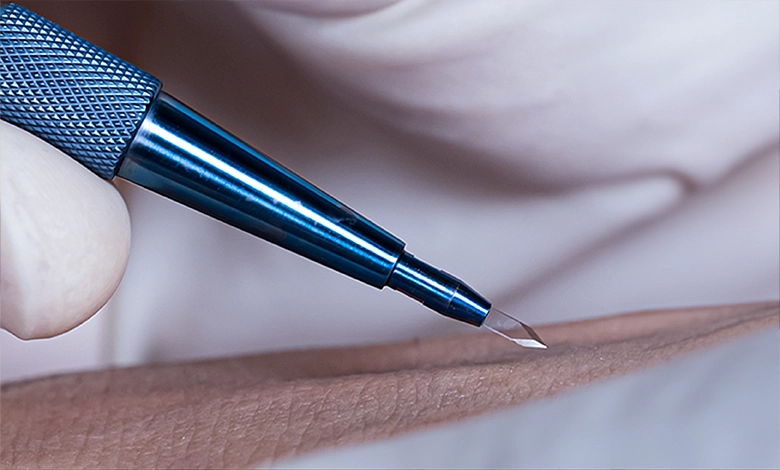
Sapphire hair transplant, also known as Sapphire FUE (Follicular Unit Extraction), is an advanced hair restoration technique that uses special blades made from sapphire gemstone to create recipient sites for hair transplantation. This method offers several advantages over traditional FUE techniques, including higher precision, minimal scarring, and faster healing.